



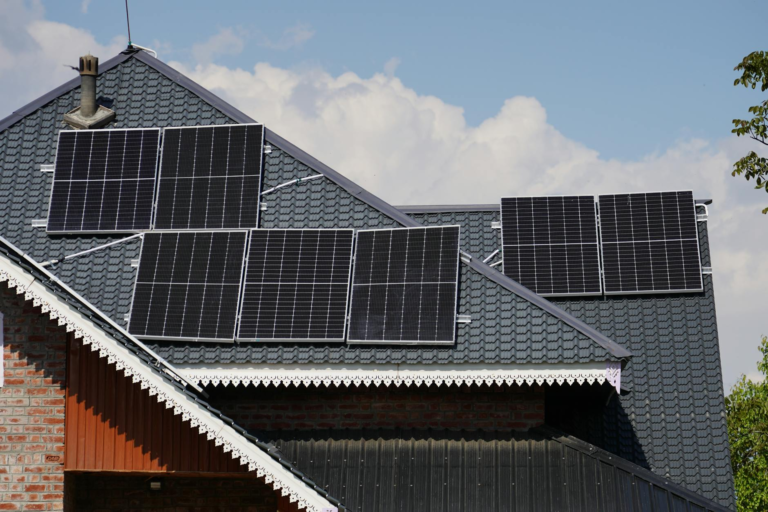
Why Long‑Term Energy Stability Matters for Florida Panhandle Families
Living in the Florida Panhandle comes with its own set of energy challenges. From soaring summer air‑conditioning demands to occasional winter chill, households experience wide fluctuations in electricity usage. When utility rates rise unpredictably, families can feel the pinch on tight budgets, making it harder to plan for other essential expenses such as school supplies, home repairs, or healthcare. That is why achieving long‑term energy cost stability is more than a convenience—it’s a cornerstone of financial security for many residents. By reducing the uncertainty tied to monthly utility bills, homeowners gain the freedom to allocate resources toward savings, investments, or simply enjoying more leisure time. In this article we explore how solar power delivers these advantages and why the solar household stability benefits are especially compelling for the Panhandle’s unique climate and market conditions.
Find us here:
Solar Cost Calculator – Florida Panhandle Only
* Estimate based on $3.25 per watt for solar installation.
* For Tesla Powerwall 3 Batteries, $15,000 for the first battery, $12,000 for each additional battery.
* Other variations and types of Batteries are available.
Understanding the Current Energy Landscape in the Panhandle
The regional utility market in the Panhandle is characterized by a blend of investor‑owned utilities and municipal cooperatives. Over the past decade, average residential electricity rates have risen by roughly 3 % to 4 % per year, outpacing national inflation. Seasonal spikes are common: during peak summer months, demand can surge by up to 40 % compared to winter lows, prompting utilities to implement demand‑response charges that further inflate bills. Moreover, the state’s reliance on natural gas and imported fuels makes the market vulnerable to global price volatility. For families that depend on a single monthly bill to cover all household expenses, this volatility translates directly into financial stress. Recognizing these pressures is the first step toward appreciating how a solar installation can transform a home’s cost structure and create lasting stability.
How Solar Reduces Monthly Energy Expenses
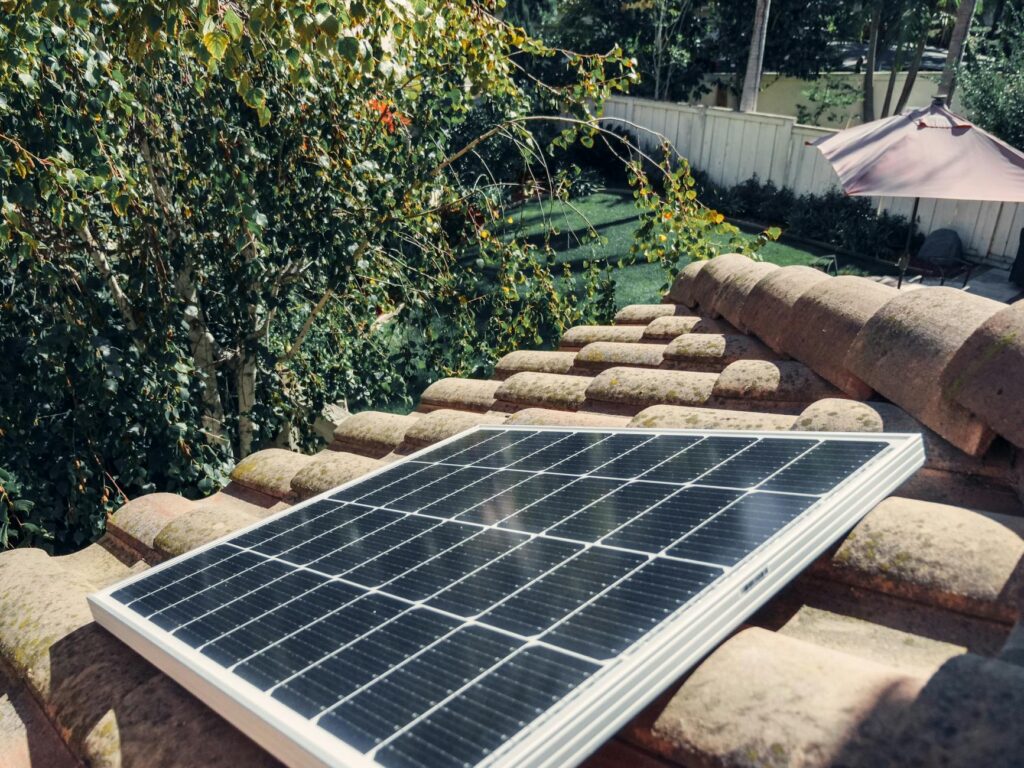
When a solar photovoltaic (PV) system is installed, it begins generating electricity the moment the sun rises. In the Panhandle, the average solar insolation provides roughly 4.5 to 5.0 peak sun hours per day, meaning a well‑sized residential system can offset a substantial portion of a household’s consumption. By feeding self‑generated power directly into the home’s electrical circuit, the utility’s meter runs backward during daylight hours, effectively lowering the amount of electricity that needs to be purchased from the grid. Over a typical year, many homeowners see a reduction of 50 % to 80 % in their utility bills, depending on system size, orientation, and usage patterns. This immediate savings is the most tangible expression of the solar household stability benefits, as it directly cuts the out‑of‑pocket cost that families would otherwise face each month.
Predictable Savings Through Fixed‑Rate Solar Loans
One of the biggest concerns for homeowners is the upfront cost of installing solar panels. However, the rise of fixed‑rate solar loans and power purchase agreements (PPAs) means that most families can finance a system with predictable monthly payments that are often lower than their current utility bills. Because the loan interest rate is locked in for the life of the agreement—typically 10 to 20 years—homeowners can forecast their total energy expense with confidence. When the loan is paid off, the electricity generated becomes essentially free, delivering a permanent reduction in household operating costs. This financial model illustrates how solar not only lowers current expenses but also secures long‑term budget stability, reinforcing the broader solar household stability benefits that families seek.
Long‑Term Financial Predictability and Budget Planning
Budgeting for a household often involves projecting costs for utilities, groceries, transportation, and other recurring expenses. When electricity costs are subject to annual rate hikes, families must either increase their overall budget or sacrifice spending elsewhere. Solar power changes this dynamic by anchoring a significant portion of the electricity budget at a known, stable level. Because the PV system produces a consistent amount of energy each year—adjusted only for gradual panel degradation of about 0.5 % per year—homeowners can model their energy costs with a high degree of accuracy for the next decade or more. This predictability enables better financial planning, whether it’s saving for college tuition, building an emergency fund, or investing in home improvements. In essence, the solar household stability benefits extend beyond the utility bill, influencing the entire financial health of a family.
Boosting Home Value and Resale Stability
Real estate data across the United States consistently shows that homes equipped with solar panels command higher resale values and sell faster than comparable homes without solar. In Florida, the premium can range from $10,000 to $20,000, depending on system size and age. Buyers are attracted not only to the environmental appeal but also to the prospect of reduced utility expenses from day one. For sellers, this translates into a tangible return on investment that can be realized when the property changes hands. Moreover, a solar system can be transferred to a new owner, preserving the same cost‑saving benefits for the next occupants. This transferability reinforces the solar household stability benefits by ensuring that the financial advantages of the system endure beyond the original homeowner’s tenure.
Net Metering and Grid Independence
Florida’s net metering policies allow residential solar producers to receive credit for excess electricity sent back to the grid. These credits appear on the next month’s bill, effectively offsetting any shortfall when the system isn’t generating—such as during nighttime or overcast days. Over a full billing cycle, most homeowners find that net metering brings their utility bill down to a minimal “service charge,” eliminating the need for large, unpredictable payments. In addition, as battery storage becomes more affordable, many families are pairing solar panels with home batteries to increase self‑consumption and further reduce reliance on the grid. This combination of generation, storage, and net metering creates a resilient energy ecosystem that shields households from utility rate spikes, underscoring the enduring solar household stability benefits that Florida residents can enjoy.
Environmental Benefits That Translate to Savings
While the primary focus of this guide is financial stability, it’s impossible to ignore the environmental upside of solar power. By displacing electricity generated from fossil fuels, a typical 6 kW residential system in the Panhandle avoids roughly 5,500 kg of CO₂ emissions each year—equivalent to planting over 150 trees annually. Many utility companies offer green‑rate incentives or carbon‑offset credits that can be monetized, adding an extra layer of financial return. Furthermore, households that adopt solar often become more conscious of their overall energy usage, leading to additional savings through energy‑efficiency upgrades such as LED lighting, programmable thermostats, and high‑efficiency appliances. These complementary actions amplify the overall stability of household finances, reinforcing the multi‑dimensional value of the solar household stability benefits.
Practical Steps to Unlock Solar Household Stability Benefits
- Assess your roof’s solar potential using a professional solar site‑assessment or an online shading analysis tool.
- Calculate your average monthly electricity consumption (kWh) from recent utility statements to determine the appropriate system size.
- Request multiple quotes from reputable installers, ensuring each includes a detailed financial analysis that compares loan, lease, and cash‑purchase options.
- Explore local and state incentives, such as the Federal Investment Tax Credit (ITC) and any Florida-specific rebates, to reduce upfront costs.
- Consider adding a battery storage system if you experience frequent outages or want to maximize self‑consumption.
- Review your utility’s net‑metering agreement to understand credit rates and any potential changes in policy.
Following these steps will help you make an informed decision that aligns with your family’s financial goals, ensuring you capture the full range of solar household stability benefits available in the Panhandle.
Comparative Cost Overview: With vs. Without Solar (10‑Year Projection)
| Year | Average Annual Utility Cost (No Solar) | Average Annual Cost With Solar System | Cumulative Savings |
|---|---|---|---|
| 1 | $2,400 | $800 | $1,600 |
| 2 | $2,472 | $800 | $3,272 |
| 3 | $2,546 | $800 | $5,018 |
| 4 | $2,622 | $800 | $6,840 |
| 5 | $2,701 | $800 | $8,741 |
| 6 | $2,782 | $800 | $10,723 |
| 7 | $2,866 | $800 | $12,789 |
| 8 | $2,952 | $800 | $14,941 |
| 9 | $3,041 | $800 | $17,182 |
| 10 | $3,132 | $800 | $19,514 |
The table illustrates how, even with modest utility rate increases of 3 % per year, a typical 6 kW solar system can deliver over $19,000 in savings across a decade. Those figures highlight the tangible financial security that the solar household stability benefits provide to Panhandle families.
Common Myths About Solar and Household Stability
Despite the clear advantages, many homeowners remain hesitant due to lingering misconceptions. Below we address the most frequent myths and replace them with facts that reinforce why solar is a reliable long‑term investment.
- Myth: Solar panels require excessive maintenance.
Fact: Modern PV panels have no moving parts and typically come with 25‑year performance warranties; cleaning a few times a year is usually sufficient. - Myth: Solar only works in sunny climates.
Fact: Even on cloudy days, panels generate electricity; the Panhandle’s average of 5 peak sun hours daily ensures consistent production. - Myth: The system will become obsolete quickly.
Fact: Panels degrade at less than 0.5 % per year, meaning they still produce over 80 % of their original capacity after 20 years. - Myth: Solar will increase my property taxes.
Fact: Florida offers a property tax exemption for the added value of solar installations, keeping your tax bill unchanged.
By dispelling these myths, families can focus on the proven solar household stability benefits that stem from reliable performance, financial incentives, and lasting value.
Frequently Asked Questions
- How long does it take to see a return on investment? Most homeowners break even within 6 to 9 years, depending on system size and financing method.
- Will I still receive net‑metering credits if I install a battery? Yes—excess energy stored in the battery can be dispatched during peak rate periods, further reducing net‑metering reliance.
- Can I install solar if I rent? Many rental properties allow solar through third‑party PPAs, letting tenants benefit from lower bills without owning the system.
- What happens if I move? Solar agreements can be transferred to the new owner, preserving the financial benefits and potentially increasing the home’s market appeal.
These answers illustrate how the solar household stability benefits are accessible to a wide range of living situations, from longtime homeowners to renters and future sellers.
