



Understanding the Rise of Smart Grids
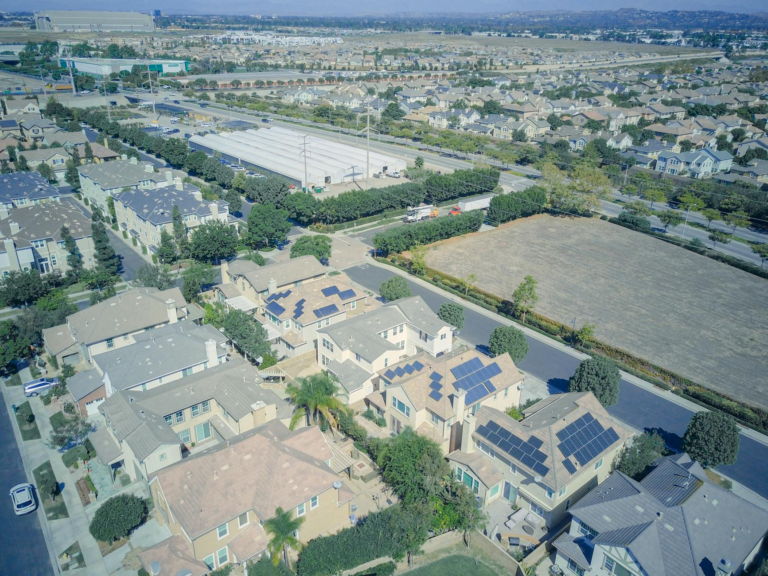
Over the past decade, utilities across the United States have begun to replace aging, one‑way electricity networks with intelligent, two‑way systems known as smart grids. These modern networks rely on advanced sensors, real‑time communication, and automated controls to balance supply and demand more efficiently than ever before. For homeowners who have invested in rooftop solar panels, the emergence of a smart grid can dramatically change the way energy is produced, stored, and consumed. In Florida’s growing metropolitan areas—especially Tallahassee and Pensacola—policy makers, utilities, and solar installers are closely watching how these developments will affect adoption rates, grid reliability, and overall cost savings.
Find us here:
Solar Cost Calculator – Florida Panhandle Only
* Estimate based on $3.25 per watt for solar installation.
* For Tesla Powerwall 3 Batteries, $15,000 for the first battery, $12,000 for each additional battery.
* Other variations and types of Batteries are available.
Key Components of a Smart Grid
A smart grid is built on three foundational technologies: distributed sensing, two‑way communication, and automated response. Sensors placed throughout the distribution network capture voltage, frequency, and load data every few seconds. This data is transmitted back to utility control centers via secure communication channels, allowing operators to make rapid adjustments. Automated response mechanisms—such as demand‑response programs and voltage regulation—can then be triggered without human intervention, ensuring the grid remains stable even when large numbers of residential solar systems feed power back into the network.
How Smart Grids Interact with Residential Solar Systems
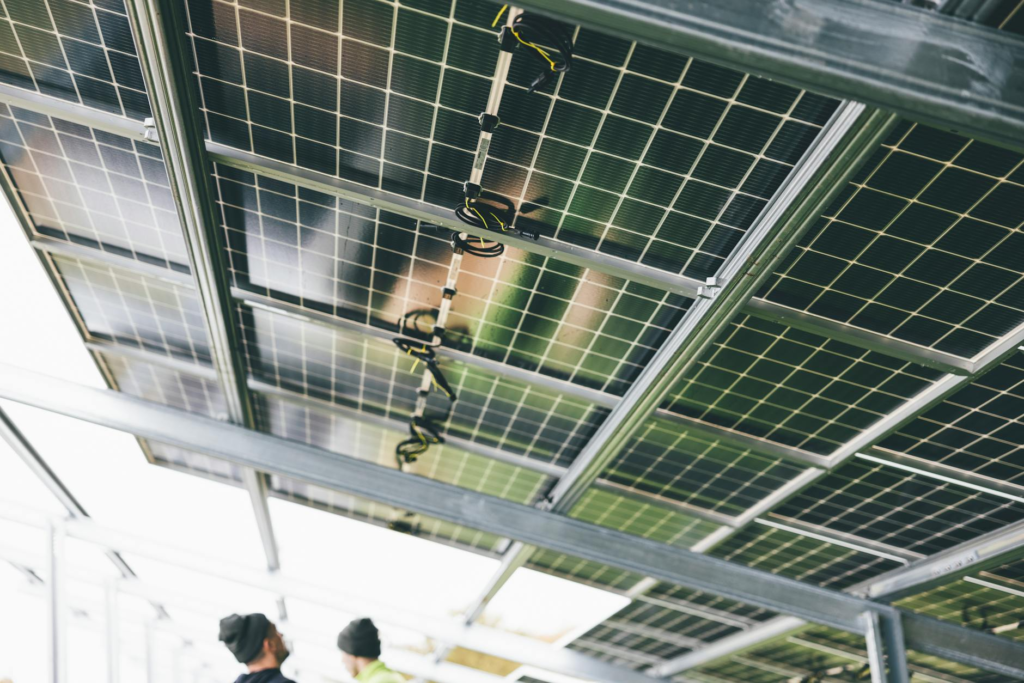
When a homeowner installs a photovoltaic (PV) array, the system typically generates electricity during daylight hours and either feeds excess power back to the utility (net metering) or stores it in a battery for later use. A smart grid adds a new layer of intelligence to this process. By receiving real‑time data from both the utility’s distribution equipment and the homeowner’s inverter, the grid can dynamically decide when to accept solar power, when to dispatch stored energy, and when to curtail production to protect network stability.
This two‑way interaction is at the heart of what many industry analysts refer to as “smart grid solar homes.” In such homes, the solar inverter can receive signals from the utility to adjust its output, participate in frequency regulation markets, or even respond to emergency events like storms or outages. The result is a more resilient energy ecosystem where the homeowner’s solar investment contributes directly to grid health while also reaping financial benefits.
Dynamic Net Metering and Real‑Time Pricing
Traditional net metering policies often use a static, monthly reconciliation process that credits homeowners at a fixed retail rate. Smart grids enable dynamic net metering, where the value of exported solar energy fluctuates based on real‑time market conditions. During periods of high demand, the utility may offer a premium rate for solar export, encouraging homeowners to feed more power into the grid. Conversely, when generation exceeds demand, the price may dip, prompting the inverter to store excess energy locally. This real‑time pricing model aligns the interests of the utility and the homeowner, fostering greater participation in renewable energy programs.
Benefits for Homeowners in Tallahassee and Pensacola
Residents of Tallahassee and Pensacola stand to gain several distinct advantages as smart grids become more prevalent. First, the ability to earn higher compensation for solar export during peak demand periods can shorten the payback period for a residential solar system. Second, integrated demand‑response programs can reduce electricity bills by automatically shifting non‑essential loads—such as pool pumps or water heaters—to off‑peak hours. Third, the increased reliability of a smart grid means fewer outages, and when outages do occur, homes equipped with battery storage can operate in island mode, maintaining critical loads until service is restored.
- Higher export rates during peak demand.
- Automated load shifting reduces electricity bills.
- Improved grid reliability and fewer outages.
- Battery backup can operate autonomously during emergencies.
Collectively, these benefits make “smart grid solar homes” an increasingly attractive proposition for Florida homeowners looking to combine sustainability with economic resilience.
Technical Challenges and Considerations
Despite the clear advantages, integrating residential solar with a smart grid presents several technical hurdles. One major concern is voltage regulation; high concentrations of solar generation can cause local voltage to rise above acceptable limits, potentially damaging equipment. Advanced inverter functionalities—such as Volt‑Var control—are required to mitigate these issues, but not all existing inverters support such features. Additionally, the communication protocols used by utilities (e.g., OpenADR, IEC 61850) must be compatible with the homeowner’s equipment, which can increase installation complexity and cost.
Cybersecurity is another critical factor. As more devices connect to the grid, the attack surface expands, necessitating robust encryption and authentication mechanisms. Homeowners should work with reputable installers who follow industry best practices for firmware updates and secure device provisioning.
Policy Landscape and Incentives in Florida
The state of Florida has historically been a leader in solar adoption, thanks in part to its abundant sunshine and supportive policies. However, the transition to smart grids introduces new regulatory considerations. For example, the Florida Public Service Commission is reviewing rules that govern dynamic pricing and real‑time net metering, which could directly impact the economics of smart grid solar homes. Local utilities in Tallahassee and Pensacola are also piloting pilot programs that reward homeowners for participating in demand‑response events, offering bill credits or direct payments.
Homeowners interested in taking advantage of these emerging programs should stay informed about utility‑specific enrollment requirements, such as installing a certified smart inverter or a communication module that can receive dispatch signals. Additionally, federal incentives like the Investment Tax Credit (ITC) remain available, further improving the financial outlook for residential solar projects.
Key Incentive Summary
| Incentive | Eligibility | Potential Savings |
|---|---|---|
| Florida Solar Energy System Incentive | Residential PV ≤ 10 kW | Up to $3,000 |
| Investment Tax Credit (ITC) | All U.S. solar installations | 26 % of system cost |
| Dynamic Net‑Metering Credits | Smart grid‑enabled homes | Variable, higher during peak hours |
Future Outlook: What’s Next for Smart Grid Solar Homes?
Looking ahead, the convergence of smart grid technology and residential solar is poised to accelerate. Advances in artificial intelligence will enable utilities to predict solar generation patterns with greater accuracy, optimizing dispatch decisions in near‑real time. Meanwhile, the cost of battery storage continues to decline, making it feasible for more homeowners to adopt combined solar‑plus‑storage solutions that can fully participate in grid services.
For Tallahassee and Pensacola residents, the next few years may bring a wave of new programs that reward “smart grid solar homes” for providing ancillary services such as frequency regulation, voltage support, and emergency backup. As these opportunities mature, homeowners who have already installed compatible inverters and communication devices will be well positioned to capture additional revenue streams, further enhancing the value proposition of residential solar.
Conclusion
Smart grids are reshaping the landscape of residential solar by creating a more interactive, financially rewarding, and resilient energy ecosystem. Homeowners in Tallahassee, Pensacola, and beyond who embrace the capabilities of smart grid solar homes can expect faster payback, lower bills, and greater energy independence. Staying informed about utility programs, ensuring compatible equipment, and leveraging available incentives will be key to unlocking the full potential of this emerging technology.
