



Introduction: Solar’s Rising Role in Modern Energy Systems
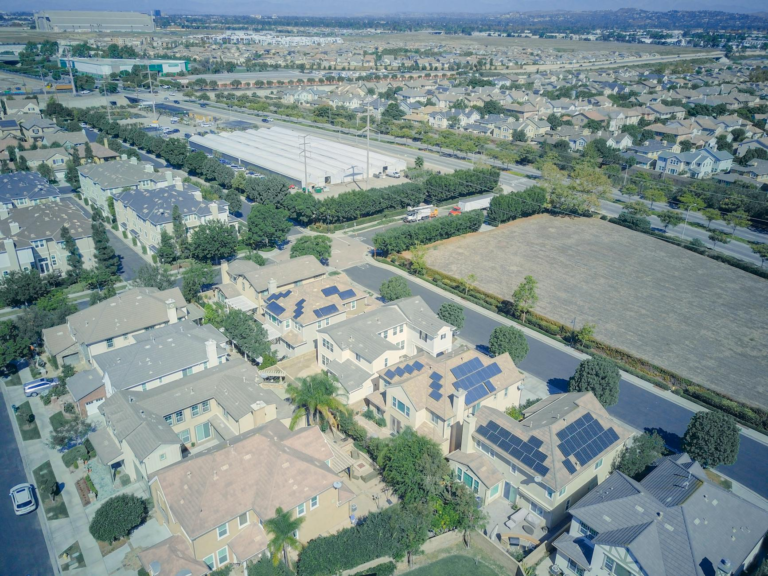
Across the United States, and especially in the sunny stretches of the Florida Panhandle, solar power is shifting from a supplemental option to a foundational element of the power grid. Homeowners are no longer viewing rooftop panels as a luxury; they see them as essential components of solar energy infrastructure homes that can lower bills, increase property value, and contribute to a cleaner grid. This transformation is driven by falling panel costs, innovative financing, and supportive policies that treat solar as a public utility rather than a niche hobby. In this article, we’ll explore how solar is becoming a core part of energy infrastructure, the technical and economic factors at play, and practical steps for homeowners who want to join the movement.
Find us here:
Solar Cost Calculator – Florida Panhandle Only
* Estimate based on $3.25 per watt for solar installation.
* For Tesla Powerwall 3 Batteries, $15,000 for the first battery, $12,000 for each additional battery.
* Other variations and types of Batteries are available.
Why Solar Is No Longer a Niche Technology
Ten years ago, solar installations were scattered across rooftops in isolated pockets, often driven by environmental enthusiasm rather than economic necessity. Today, the landscape has changed dramatically. Nationally, solar capacity has grown by more than 250 % in the last decade, and the trend is even more pronounced in states with abundant sunshine. The dramatic price drop—over 80 % since 2010—means that the return on investment for a typical residential system now falls within a five- to seven‑year window. This affordability, combined with the reliability of modern photovoltaic (PV) technology, positions solar as a cornerstone of the energy mix for solar energy infrastructure homes across the country.
The Role of Policy and Incentives
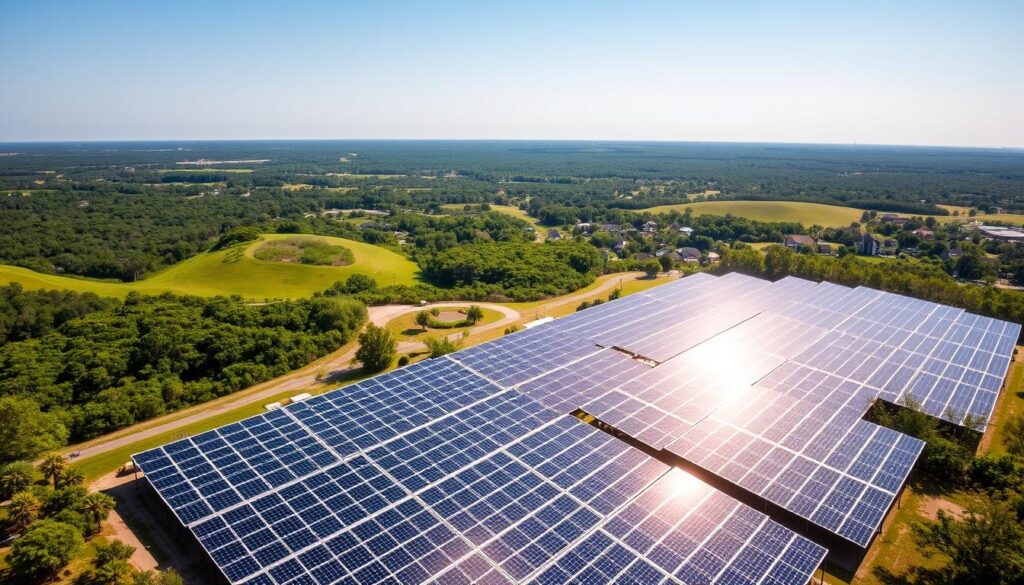
Government policies have been instrumental in accelerating solar adoption. Federal tax credits, state rebates, and net‑metering rules allow homeowners to offset installation costs and earn credits for excess electricity sent back to the grid. In Florida, the Solar and CHP (Combined Heat and Power) tax exemption and the state’s Property Assessed Clean Energy (PACE) financing program have removed many financial barriers. These incentives effectively embed solar into the broader solar energy infrastructure homes framework, encouraging utilities to treat distributed generation as a reliable resource rather than an occasional outlier.
Integrating Solar Into Residential Grids
Modern distribution networks are being redesigned to accommodate two‑way power flows, allowing electricity generated on a single home to travel back to the neighborhood and even the utility’s transmission lines. Smart inverters, advanced monitoring software, and grid‑friendly standards such as IEEE 1547 enable seamless communication between rooftop systems and the larger grid. This integration transforms each house into a micro‑power plant, reinforcing the concept of solar energy infrastructure homes that collectively support grid stability, especially during peak demand periods.
Smart Inverters and Energy Storage
Smart inverters can adjust voltage, frequency, and reactive power in real time, responding to grid conditions without human intervention. Paired with home battery storage, these devices allow homeowners to store excess solar generation for use during night‑time or storm‑related outages. The synergy of inverters and batteries is a key pillar of resilient solar energy infrastructure homes, providing both grid support and personal energy independence.
Economic Benefits for Homeowners
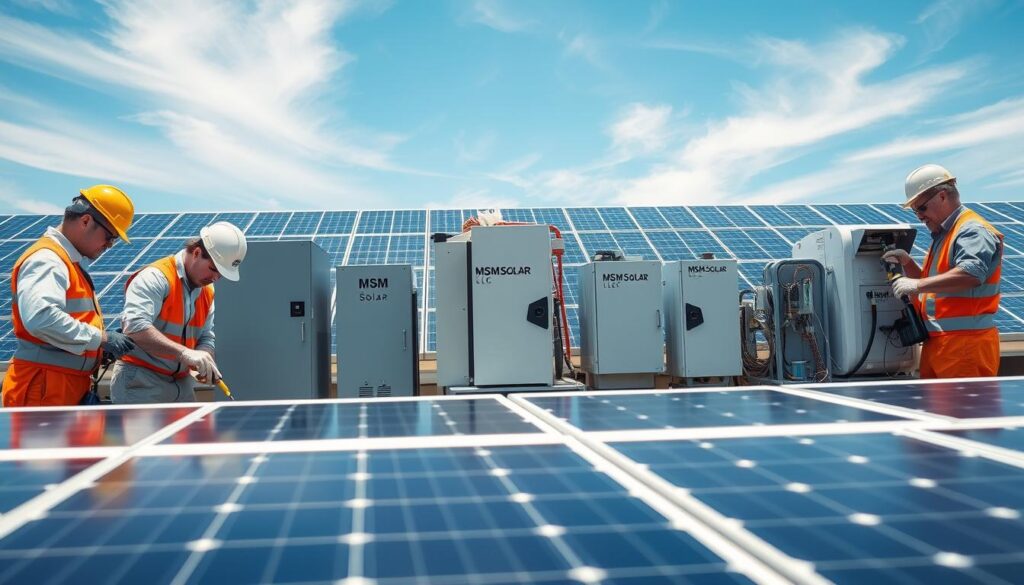
Beyond environmental motivations, the financial upside of installing solar is compelling. Homeowners can expect immediate savings on electricity bills, often offsetting 60‑80 % of their monthly usage. Over the lifespan of a system—typically 25‑30 years—total savings can exceed $30,000, depending on local rates and sunlight exposure. Moreover, many regions offer performance-based incentives that pay per kilowatt‑hour generated, turning each home into an ongoing revenue source.
- Reduced utility bills from self‑generation.
- Tax credits and rebates lowering upfront costs.
- Increased property resale value, often by 4‑6 %.
- Potential income from net‑metering or feed‑in tariffs.
Environmental Impact and Grid Resilience
Solar power directly reduces carbon emissions by displacing fossil‑fuel generation. A typical 6 kW residential system prevents roughly 6,500 kg of CO₂ from entering the atmosphere each year. When many homes adopt solar, the cumulative effect contributes significantly to state and national climate goals. Additionally, distributed solar improves grid resilience by decentralizing generation; if a central power plant goes offline, the distributed network can continue to supply electricity, mitigating the impact of extreme weather events common in the Florida Panhandle.
Case Study: Solar Adoption in the Florida Panhandle
The Florida Panhandle offers a compelling illustration of how solar is woven into the fabric of local energy infrastructure. With an average of 5.5 peak sun hours per day, the region’s homeowners experience high capacity factors, making solar installations especially productive. Local utilities have embraced community solar programs, allowing residents without suitable roofs to subscribe to shared solar farms. As a result, the percentage of homes participating in solar projects has risen from under 2 % in 2015 to over 12 % in 2024, positioning the Panhandle as a leader in solar energy infrastructure homes development.
Technical Considerations for Home Installations
Before installing a solar system, homeowners should assess roof condition, orientation, and shading. South‑facing roofs with minimal obstruction yield the highest energy production, but east‑ and west‑facing roofs can also be viable with slightly reduced output. Structural integrity is crucial; panels add weight, and mounting hardware must be securely anchored. Electrical capacity, including the main service panel’s amperage, must be evaluated to ensure it can accommodate the additional load from a solar array.
Roof Orientation and Design
In many cases, a simple tilt adjustment can optimize sun exposure without extensive roof modifications. For homes with complex rooflines, micro‑inverters or power optimizers can be used to maximize output from each panel individually, ensuring that shading on one section does not diminish the performance of the entire system. These technical solutions are integral to building effective solar energy infrastructure homes that deliver reliable power year after year.
Future Trends: Community Solar and Microgrids
Looking ahead, the concept of community solar is expanding the reach of solar beyond individual rooftops. Shared solar farms allow multiple households to benefit from a single, large‑scale installation, democratizing access for renters and those with unsuitable roofs. Meanwhile, microgrids—localized networks that can operate independently from the main grid—are gaining traction in coastal regions prone to hurricanes. By integrating solar panels, storage batteries, and intelligent controls, microgrids provide a resilient energy backbone for entire neighborhoods, reinforcing the role of solar energy infrastructure homes within broader community power systems.
Solar Adoption Metrics
| Metric | National Average | Florida Panhandle Avg. |
|---|---|---|
| Average System Size (kW) | 5.8 | 6.2 |
| Installation Cost per Watt | $2.70 | $2.55 |
| Average Payback Period (years) | 7.5 | 5.8 |
How to Get Started with Solar for Your Home
Embarking on a solar journey begins with a simple assessment. Start by requesting a free site‑evaluation from a reputable installer, who will analyze your roof’s suitability and provide a detailed quote. Next, explore available incentives—both federal and state—and calculate the projected savings using an online solar calculator. Secure financing through options such as cash purchase, solar loans, or PACE programs, and review any homeowner association rules that may apply. Finally, schedule the installation, ensure proper permitting, and enjoy the transition to clean, self‑generated power that positions your residence as a vital component of solar energy infrastructure homes.
Conclusion
Solar power is no longer a peripheral add‑on; it is becoming an integral thread in the fabric of modern energy infrastructure. For homeowners—especially those in sun‑rich regions like the Florida Panhandle—embracing solar means tapping into economic savings, boosting property value, and contributing to a resilient, low‑carbon grid. By understanding the technical, financial, and policy landscape, homeowners can confidently join the growing network of solar energy infrastructure homes that are shaping a sustainable energy future.
