



Understanding the New Wave of Solar Homeownership in the Florida Panhandle
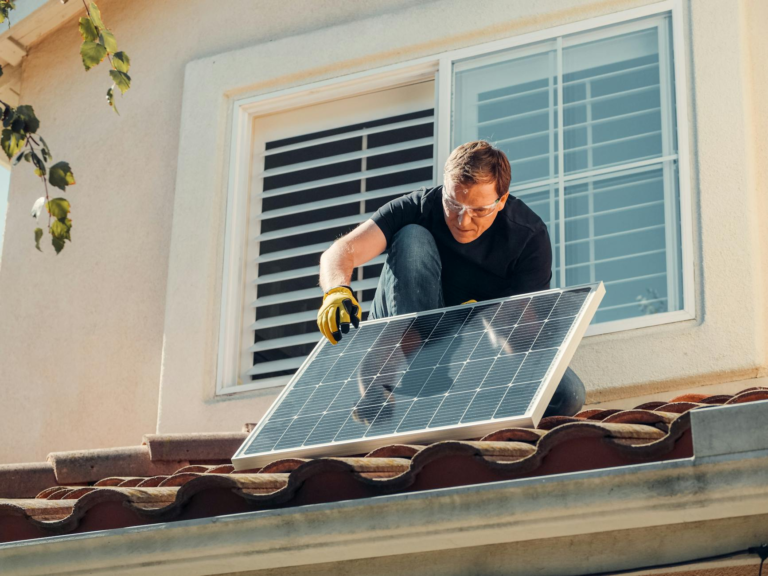
The Florida Panhandle has long been known for its sunny skies, gentle breezes, and a lifestyle that embraces outdoor living. Over the past decade, those natural advantages have translated into a measurable shift in how homeowners think about energy, finance, and long‑term property value. This shift is captured by the rising solar homeownership trends florida, a phrase that now appears in real‑estate listings, local news stories, and neighborhood discussions alike. Homeowners are no longer viewing solar panels merely as an environmental add‑on; they see them as a strategic asset that aligns with evolving priorities such as cost certainty, resilience against grid outages, and the desire to future‑proof their homes. In this article we’ll explore the social, economic, and technological forces driving this transformation, and explain why the adoption of solar power has become a defining feature of modern homeownership thinking across the region.
Find us here:
Solar Cost Calculator – Florida Panhandle Only
* Estimate based on $3.25 per watt for solar installation.
* For Tesla Powerwall 3 Batteries, $15,000 for the first battery, $12,000 for each additional battery.
* Other variations and types of Batteries are available.
Changing Financial Priorities Among Homeowners
One of the most compelling reasons behind the surge in solar homeownership trends florida is the changing financial calculus that homeowners use when evaluating home improvements. Traditional mortgage decisions were largely based on interest rates, property taxes, and the expected appreciation of the home itself. Today, however, buyers are factoring in the long‑term savings from reduced electricity bills, the potential for net‑metering credits, and the added marketability of a solar‑ready property. In many cases, the upfront cost of a solar installation can be offset within five to seven years through lower utility expenses, especially given Florida’s relatively high electricity rates compared with the national average. Moreover, financing options such as solar leases, power purchase agreements (PPAs), and low‑interest loans have become more accessible, making the investment less daunting for first‑time buyers and seasoned investors alike.
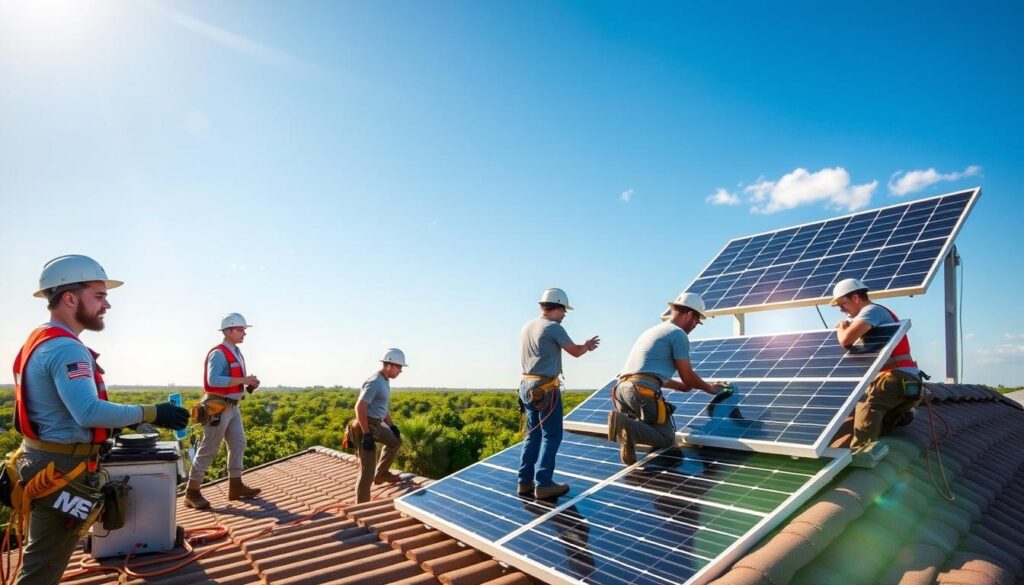
Another financial factor reshaping homeowner thinking is the increasing awareness of energy price volatility. With utility companies periodically adjusting rates in response to fuel cost fluctuations and regulatory changes, having a self‑generated power source offers a hedge against unpredictable utility bills. For many families, this predictability translates into a more stable household budget, which is especially valuable in an era marked by economic uncertainty. Consequently, the appeal of solar extends beyond environmental motivations, positioning itself as a prudent financial decision that resonates with a broad spectrum of homeowners across the Panhandle.
Environmental Awareness and Community Values
While economics play a pivotal role, the cultural shift toward sustainability cannot be ignored. Residents of the Florida Panhandle are increasingly aware of the environmental impacts of fossil‑fuel based electricity, especially as the region experiences more frequent extreme weather events linked to climate change. This awareness is reflected in the growing number of community initiatives, neighborhood associations, and local schools that champion renewable energy education. Homeowners who install solar panels often view their decision as a tangible contribution to reducing carbon emissions, preserving the natural beauty of their coastal surroundings, and setting a positive example for future generations.
Social proof further amplifies this trend. As more neighbors adopt solar, the technology becomes normalized, reducing perceived barriers for others. In many Panhandle towns, solar panels are now a common sight on rooftops, reinforcing the idea that clean energy is not a niche choice but a mainstream component of responsible homeownership. This collective movement fuels a feedback loop where environmental values and community pride reinforce each other, driving the continued rise of solar homeownership trends florida.
Technological Advances Driving Adoption
Advancements in photovoltaic (PV) technology have dramatically improved the efficiency, aesthetics, and affordability of solar installations. Modern panels can convert a higher percentage of sunlight into usable electricity, meaning homeowners can achieve the same energy output with fewer panels or smaller roof footprints. Additionally, the emergence of sleek, low‑profile designs—such as all‑black panels and integrated solar tiles—has alleviated concerns about visual impact, making solar more attractive to homeowners who prioritize curb appeal.
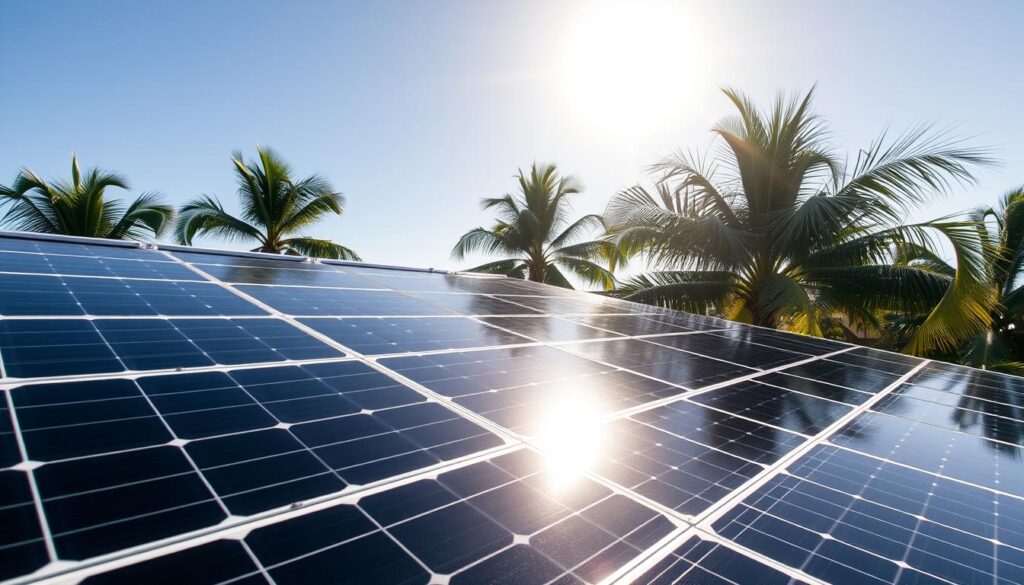
Smart inverters, battery storage solutions, and home energy management systems have also expanded the functional benefits of solar. Homeowners can now store excess generation for use during nighttime or power outages, enhancing resilience—a particularly compelling feature in a region prone to hurricanes and storm‑related grid disruptions. These technological improvements not only increase the return on investment but also align with the broader desire among Panhandle residents for self‑sufficiency and reliable power.
Policy Incentives and Local Programs
State and local policies have been instrumental in shaping the trajectory of solar homeownership trends florida. Florida’s net‑metering rules allow homeowners to receive credit for excess electricity sent back to the grid, effectively turning the utility meter into a two‑way street. Moreover, the state offers a sales tax exemption on solar equipment, and many counties provide property tax incentives that prevent the added value of a solar system from increasing property taxes.
In addition to state‑wide measures, several Panhandle municipalities have launched targeted rebate programs, streamlined permitting processes, and partnership initiatives with local installers. These efforts reduce administrative friction and lower overall project costs, making solar more accessible to a wider audience. As a result, the combination of favorable policy, financial incentives, and community support creates an ecosystem that encourages homeowners to consider solar as a logical next step in their property improvement plans.
Data Snapshot: Solar Homeownership Trends Florida
The following table provides a concise overview of key metrics that illustrate the rapid growth of solar adoption among homeowners in the Florida Panhandle over the past five years. These figures highlight the increasing market penetration, average system sizes, and typical payback periods that are influencing homeowner decisions today.
| Year | Residential Solar Installations (Units) | Average System Size (kW) | Average Payback Period (Years) |
|---|---|---|---|
| 2019 | 1,200 | 5.8 | 9.2 |
| 2020 | 1,850 | 6.1 | 8.5 |
| 2021 | 2,600 | 6.4 | 7.8 |
| 2022 | 3,500 | 6.7 | 7.1 |
| 2023 | 4,450 | 7.0 | 6.5 |
These numbers underscore a clear upward trajectory, with residential installations growing by more than 270 % between 2019 and 2023. The steady increase in average system size reflects both rising household energy demands and greater confidence in the technology’s reliability. Shortening payback periods illustrate how financial incentives, lower equipment costs, and improved efficiency are converging to make solar a compelling investment for more homeowners.
Practical Steps for Homeowners Considering Solar
- Assess your roof’s orientation, shading, and structural integrity with a professional solar audit.
- Calculate potential savings using local utility rates and available net‑metering policies.
- Explore financing options, including cash purchase, loans, leases, and power purchase agreements.
- Research state and local incentives, such as tax exemptions, rebates, and property tax freezes.
- Obtain multiple quotes from reputable installers to compare equipment quality, warranties, and service agreements.
- Consider adding battery storage if resilience against outages is a priority.
- Review your homeowner’s insurance policy to ensure coverage for solar equipment.
Following these steps helps homeowners make informed decisions that align with both their financial goals and environmental values. By treating solar as a strategic component of the overall home improvement plan—rather than an isolated project—owners can maximize return on investment and enhance the overall marketability of their property.
Impact on the Real Estate Market
Real estate professionals in the Florida Panhandle are increasingly highlighting solar installations as a selling point. Studies show that homes equipped with solar panels often command a premium price—typically ranging from 3 % to 5 % above comparable non‑solar homes. This premium reflects buyer willingness to pay for lower future utility costs and the perceived modernity of the property. Moreover, solar‑ready homes tend to spend less time on the market, as the added value resonates with environmentally conscious buyers and investors seeking long‑term cash flow stability.
Appraisers are also adapting their methodologies to account for solar assets, incorporating the present value of expected energy savings into property valuations. As a result, the integration of solar into homeownership thinking is reshaping how properties are evaluated, marketed, and sold throughout the region. This evolving landscape further fuels the momentum behind solar homeownership trends florida, creating a virtuous cycle where increased adoption leads to greater market recognition, which in turn encourages more homeowners to invest.
Future Outlook: What’s Next for Solar in the Panhandle?
Looking ahead, several factors suggest that the momentum behind solar adoption will continue to accelerate. First, the cost curve for photovoltaic modules and balance‑of‑system components is expected to keep declining, making solar even more affordable for middle‑income households. Second, emerging policies at the state level—such as potential revisions to net‑metering compensation and expanded community solar programs—could broaden access for renters and multi‑unit dwellings.
Third, advances in energy storage technology are poised to address lingering concerns about intermittency and grid resilience. As battery costs fall and performance improves, more homeowners will view solar plus storage as a complete solution for energy independence. Finally, the cultural shift toward sustainability—driven by younger generations entering the housing market—will embed solar as a standard expectation rather than a niche upgrade. In this evolving context, the phrase solar homeownership trends florida will likely become synonymous with forward‑thinking, financially savvy, and environmentally responsible homeownership across the Panhandle.
In summary, the rise of solar adoption among Florida Panhandle homeowners reflects a broader transformation in how people approach property ownership. By intertwining financial prudence, environmental stewardship, technological innovation, and supportive policy, solar has moved from a peripheral add‑on to a central pillar of modern homeownership thinking. As the market continues to evolve, homeowners who embrace these trends stand to benefit from lower energy costs, increased property value, and a more resilient, sustainable lifestyle.
