



Introduction
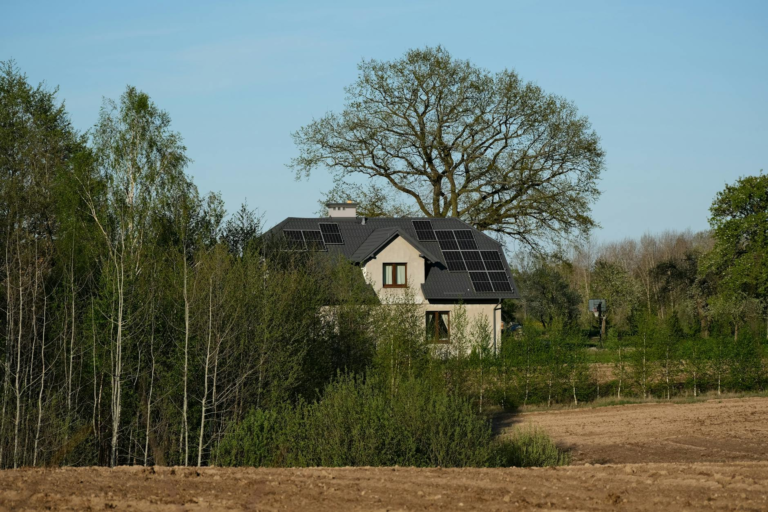
Living in the Florida Panhandle means enjoying sunshine most of the year, but it also means preparing for the occasional hurricane or severe thunderstorm that can knock out power for days. Homeowners are increasingly turning to solar resilient home design as a proactive strategy to keep essential systems running when the grid fails. By integrating photovoltaic panels, battery storage, and smart energy management into the building envelope, a house can become a self‑sustaining haven during emergencies while still delivering everyday comfort and cost savings. This article explores how solar technology supports resilient home design, outlines key considerations for the Panhandle’s unique climate, and offers practical steps for anyone looking to future‑proof their property.
Find us here:
Solar Cost Calculator – Florida Panhandle Only
* Estimate based on $3.25 per watt for solar installation.
* For Tesla Powerwall 3 Batteries, $15,000 for the first battery, $12,000 for each additional battery.
* Other variations and types of Batteries are available.
Understanding Resilient Home Design
Resilient home design is a holistic approach that anticipates and mitigates the impacts of natural hazards, climate variability, and utility disruptions. It goes beyond traditional construction methods by emphasizing durability, redundancy, and adaptability. Key components include reinforced structural elements, flood‑resistant foundations, and backup power solutions. In coastal regions like the Florida Panhandle, wind‑borne debris, storm surge, and prolonged outages are common concerns. Integrating renewable energy sources—particularly solar—into this framework creates a layered defense: the home can generate its own electricity, store it for later use, and intelligently allocate power to critical loads such as refrigeration, medical equipment, and communication devices.
How Solar Power Enhances Resilience
Energy Independence During Outages
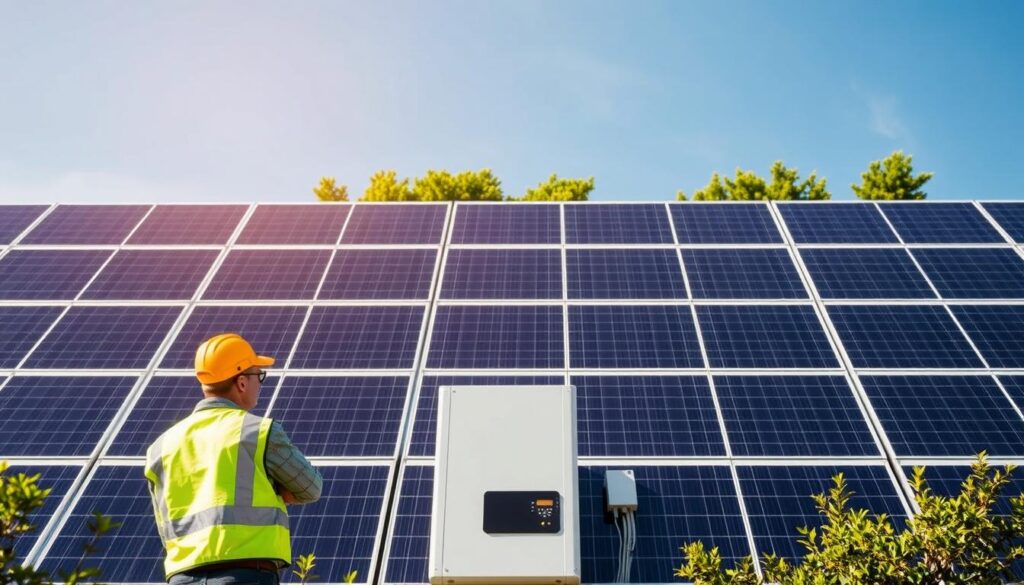
Solar panels convert sunlight directly into electricity, providing a clean and abundant energy source that is especially valuable when the public grid is down. Coupled with lithium‑ion battery banks, a solar system can supply power for several days, depending on the size of the array and the household’s consumption patterns. This independence reduces reliance on diesel generators, which are noisy, polluting, and often difficult to refuel after a storm.
Rapid Recovery After Storm Damage
Because solar installations are mounted on the roof, they are less vulnerable to flood damage than ground‑based generators. Modern mounting systems are engineered to withstand high wind speeds, and many panels are certified for hurricane‑prone regions. When power is restored to the grid, the solar system can seamlessly transition back to grid‑tied operation, allowing homeowners to benefit from net metering and lower electricity bills without manual intervention.
Designing a Solar Resilient Home in the Florida Panhandle
Site Assessment and Sun Exposure
The first step in any solar resilient home design is evaluating the site’s solar potential. The Panhandle receives an average of 5.5 to 6.0 peak sun hours per day, but shading from mature trees or neighboring structures can significantly reduce output. Conducting a shade analysis using tools like a solar pathfinder or drone‑based imaging ensures the array is positioned for maximum exposure throughout the year.
System Sizing for Emergency Power
Determining the appropriate system size involves calculating both daily energy consumption and the desired backup duration. A typical 3‑bedroom home in the Panhandle uses roughly 30 kWh per day. To sustain critical loads for 72 hours, a battery bank of at least 90 kWh is recommended, paired with a solar array of 7–10 kW to replenish the storage during daylight hours. Properly sized inverters and charge controllers are essential to handle peak loads and maintain battery health.
Integration with the Building Envelope
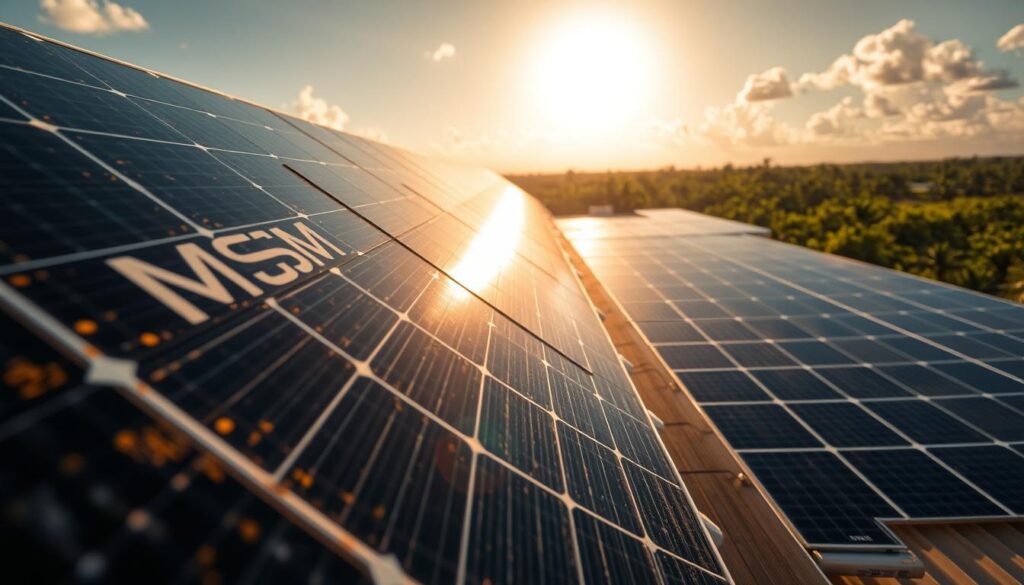
Seamless integration of solar components into the home’s envelope enhances both aesthetics and performance. Roofing materials such as metal or standing‑seam panels provide ideal mounting surfaces and can be combined with solar shingles for a low‑profile look. Additionally, incorporating energy‑efficient windows, insulation, and HVAC systems reduces overall demand, allowing a smaller solar array to meet the same resilience goals.
Benefits Beyond Storm Resilience
Financial Savings and Incentives
Investing in a solar resilient home design delivers long‑term economic advantages. Federal Investment Tax Credits (ITC), state rebates, and utility net‑metering programs can offset up to 30 % of installation costs. Moreover, the reduced reliance on grid electricity translates into lower monthly bills, and the added value of a resilient, energy‑independent home can increase resale appeal in a market that values disaster preparedness.
Environmental Impact
Solar energy generates zero emissions at the point of use, helping homeowners lower their carbon footprint. When paired with energy‑efficient building practices, the overall environmental impact of a residence is dramatically reduced. This aligns with broader sustainability goals and contributes to community resilience by decreasing demand on fossil‑fuel‑based power plants during peak load periods.
Practical Tips for Homeowners
- Start with a professional solar assessment that includes shading analysis and load calculations.
- Choose battery technology with a high cycle life and temperature tolerance suitable for Florida’s climate.
- Opt for mounting systems certified for wind speeds of at least 130 mph to meet local building codes.
- Incorporate smart energy management devices that prioritize critical loads during an outage.
- Regularly maintain panels and batteries—clean panels after storms and check battery health quarterly.
- Explore local incentives and financing options to reduce upfront costs.
Feature Comparison: Traditional vs. Solar‑Resilient Homes
| Aspect | Traditional Home | Solar‑Resilient Home |
|---|---|---|
| Power Source | Grid‑dependent | Solar panels + battery storage |
| Outage Duration | Hours to days | Days to weeks (depending on storage) |
| Operating Cost | Variable utility rates | Reduced bills, net‑metering credits |
| Environmental Impact | Higher carbon emissions | Zero‑emission electricity |
By comparing these key aspects, it becomes clear that a solar‑resilient home not only offers superior protection against storm‑related power loss but also delivers ongoing financial and ecological benefits. The upfront investment is balanced by lower operating expenses, increased property value, and the peace of mind that comes from energy independence.
Incorporating solar technology into the design of a home in the Florida Panhandle is more than a trend—it’s a strategic response to the region’s weather challenges and a step toward sustainable living. Whether you are building from the ground up or retrofitting an existing property, focusing on solar resilient home design ensures that your household remains functional, comfortable, and safe, even when nature tests the limits of the grid.
Embracing this resilient approach equips homeowners with a reliable power source, reduces reliance on external utilities, and positions the home as a model of modern, climate‑smart construction. As storms become more frequent and power outages longer, the value of a solar‑enabled, self‑sufficient residence will only continue to rise.
Ultimately, the goal is simple: to create living spaces that thrive under any condition. By leveraging the abundant sunshine of the Panhandle and pairing it with robust storage and smart controls, you can achieve a home that not only survives storms but emerges stronger after each event.
Take the first step today by consulting with a certified solar installer who understands the local building codes and can tailor a system that meets both your energy needs and resilience goals.
With thoughtful planning and the right technology, solar can be the cornerstone of a resilient home design that protects families, preserves investments, and supports a greener future for the entire community.
