



Introduction
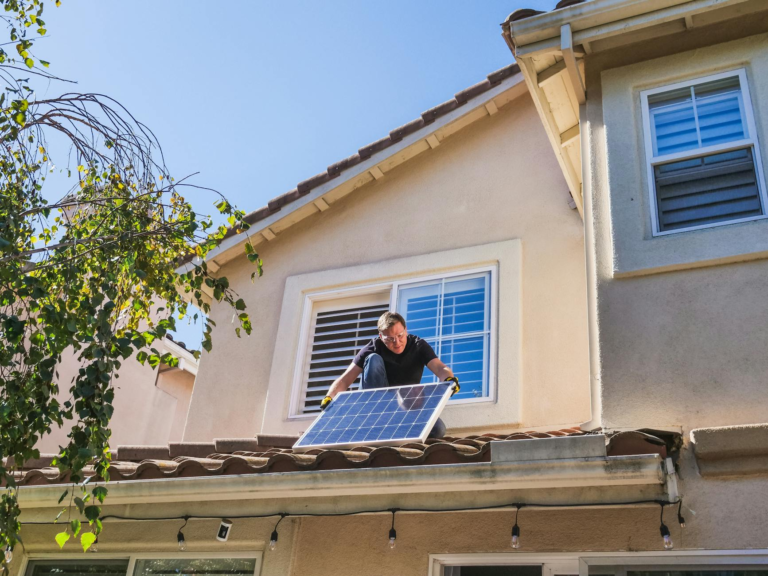
Across the Florida Panhandle, homeowners are increasingly looking beyond traditional renovations and toward energy‑focused upgrades that deliver long‑term savings and resilience. Among these, a solar home upgrade florida stands out as a strategic investment that aligns financial, environmental, and lifestyle goals. As utility rates climb and climate concerns intensify, the conversation has shifted from “optional” solar panels to “foundational” home improvements that protect property values and provide reliable power year‑round.
Find us here:
Solar Cost Calculator – Florida Panhandle Only
* Estimate based on $3.25 per watt for solar installation.
* For Tesla Powerwall 3 Batteries, $15,000 for the first battery, $12,000 for each additional battery.
* Other variations and types of Batteries are available.
The Rising Cost of Electricity in Florida
Florida’s electricity rates have risen sharply over the past decade, driven by aging grid infrastructure, increased demand for cooling, and the integration of renewable energy sources. According to the U.S. Energy Information Administration, the average residential electricity price in Florida now exceeds the national average by nearly 15 percent. For a typical 2,000‑square‑foot home, that translates into an annual bill of $2,200‑$2,800, with peaks during the summer months when air‑conditioning usage spikes.
When homeowners evaluate a solar home upgrade florida, they often calculate the break‑even point based on current utility costs. The higher the baseline electricity expense, the faster solar can offset those charges, making the upgrade financially compelling even before incentives are considered.
How Solar Works for Homeowners
Solar photovoltaic (PV) systems convert sunlight into direct current (DC) electricity, which an inverter then transforms into alternating current (AC) for household use. Excess energy can be fed back into the grid through net metering, earning credits that further reduce monthly bills. Modern systems are equipped with monitoring software that lets homeowners track production in real time, empowering them to adjust usage patterns and maximize savings.
In the Florida Panhandle, the abundant sunshine—averaging over 250 sunny days per year—means that a well‑designed system can generate 1,200‑1,500 kilowatt‑hours per kilowatt of installed capacity annually. This high production factor is a key reason why a solar home upgrade florida is increasingly viewed as a baseline improvement rather than a niche addition.
Financial Incentives and Tax Credits
The federal Investment Tax Credit (ITC) currently offers a 30 % credit on the cost of solar installations, dramatically lowering upfront expenses. In addition, Florida provides several state‑level programs, including property tax exemptions for the added value of solar equipment and utility‑specific rebates that can further reduce out‑of‑pocket costs.
The table below summarizes the most common incentives available to Florida homeowners considering a solar upgrade.
| Incentive | Type | Typical Value |
|---|---|---|
| Federal Investment Tax Credit | Tax Credit | 30 % of system cost |
| Florida Property Tax Exemption | Tax Exemption | Value of solar equipment |
| Utility Rebate Programs | Cash Rebate | $500‑$1,500 per kW |
When these incentives are layered onto a typical 6 kW residential system, the effective cost can drop below $12,000, making a solar home upgrade florida financially viable for a broad segment of homeowners.
Environmental Benefits
Beyond the wallet, solar installations dramatically reduce a home’s carbon footprint. Each kilowatt‑hour of solar electricity offsets approximately 0.85 lb of CO₂, meaning a 6 kW system can prevent the emission of roughly 7,500 lb of greenhouse gases annually. For environmentally conscious Floridians, this translates into a tangible contribution toward state and national climate goals.
Furthermore, solar energy lessens reliance on fossil‑fuel‑based power plants, which are often located far from residential areas. By generating clean electricity on‑site, a solar home upgrade florida helps reduce transmission losses and supports grid stability during peak demand periods.
Increased Home Value and Market Appeal
Multiple studies have shown that homes equipped with solar panels sell faster and at a premium compared to comparable properties without solar. The National Renewable Energy Laboratory (NREL) reports an average price increase of $15,000‑$20,000 for homes with a functional solar system in the Southeast United States. This uplift is especially pronounced in the Florida Panhandle, where buyers value energy independence and low operating costs.
Real estate agents in the region now list solar installations as a “key feature,” and many home appraisal tools automatically factor in the estimated value of the system. Therefore, a solar home upgrade florida not only pays for itself through utility savings but also enhances resale potential.
Technical Considerations for a Solar Home Upgrade in Florida
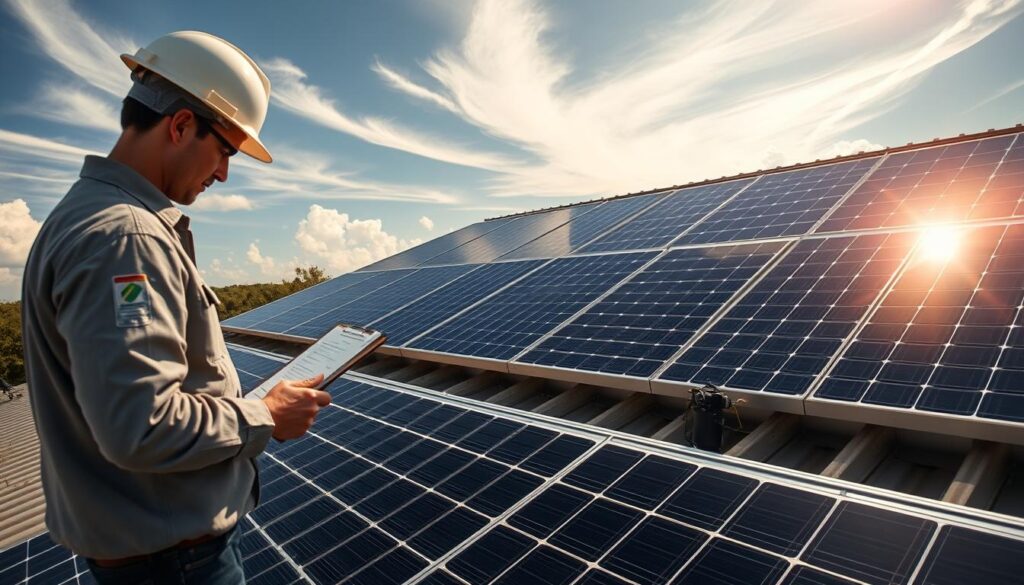
While the benefits are clear, successful implementation requires thoughtful planning. Homeowners should assess roof orientation, shading, and structural integrity. South‑facing roofs with minimal shading provide optimal production, but east‑ or west‑facing roofs can still yield strong results when paired with micro‑inverters or power optimizers.
- Roof age and material – ensure the roof can support panels for 25‑30 years.
- Wind resistance – select mounting systems rated for hurricane‑force winds common in the Panhandle.
- Electrical capacity – verify that the home’s main panel can accommodate the additional circuit.
Consulting with a certified installer familiar with local building codes and permitting processes is essential. They can perform a site‑specific analysis, propose the ideal system size, and guide homeowners through interconnection agreements with utilities.
Choosing the Right Installer
Credentials matter. Look for installers with North American Board of Certified Energy Practitioners (NABCEP) certification, solid local references, and transparent pricing. A reputable installer will also provide performance warranties—typically 10‑25 years for inverters and 25‑30 years for panels—ensuring long‑term reliability.
Maintenance and Longevity
Solar systems require minimal maintenance—primarily keeping panels clean and inspecting mounting hardware annually. In the Panhandle’s humid climate, occasional rain washes away dust, but occasional rinses during dry spells can maintain peak efficiency. Most manufacturers offer 25‑year performance guarantees, promising at least 80 % of original output at the end of the warranty period.
With proper upkeep, a solar home upgrade florida can serve a household for three decades or more, delivering consistent savings and environmental benefits throughout its lifespan.
Future‑Proofing Your Home
Solar technology continues to evolve. Battery storage solutions, such as the Tesla Powerwall or LG Chem RESU, enable homeowners to store excess generation for use during nighttime or grid outages—an increasingly valuable feature in a region prone to hurricanes. Pairing a solar array with battery backup transforms a home into a resilient micro‑grid, further cementing the upgrade’s foundational status.
Smart home integration also enhances the value of a solar system. Energy management platforms can automatically shift high‑energy appliances to periods of peak solar production, optimizing self‑consumption and reducing reliance on the grid.
Common Myths Debunked
- Myth: Solar is only for sunny climates. Fact: Even on cloudy days, panels generate electricity; the Panhandle’s high solar irradiance makes the system exceptionally productive.
- Myth: Solar panels will damage my roof. Fact: Properly installed mounts protect roofing materials and can even extend roof lifespan by shielding it from UV exposure.
- Myty: Solar is prohibitively expensive. Fact: After incentives, financing options, and long‑term savings, a solar home upgrade in Florida often pays for itself within 5‑7 years.
Addressing these misconceptions helps homeowners make informed decisions and accelerates adoption across the state.
Financing Options and Return on Investment
Beyond outright purchase, several financing pathways make solar accessible. Power Purchase Agreements (PPAs) allow homeowners to pay a fixed rate per kilowatt‑hour, often lower than utility rates. Loans—both conventional and solar‑specific—offer low‑interest terms, while some utilities provide on‑bill financing that rolls the cost into monthly electricity statements.
When calculating Return on Investment (ROI), include the federal ITC, state exemptions, and potential utility rebates. For a 6 kW system costing $18,000 before incentives, the net investment may drop to $12,000. Assuming annual savings of $2,200, the simple payback period is roughly 5.5 years, with a lifetime ROI exceeding 300 %.
Conclusion
In the Florida Panhandle, a solar home upgrade has transitioned from a niche green initiative to a foundational improvement that safeguards finances, boosts property value, and contributes to a cleaner energy future. By leveraging robust incentives, cutting‑edge technology, and thoughtful installation practices, homeowners can unlock immediate savings while positioning their homes for long‑term resilience. Whether you’re motivated by cost, sustainability, or market appeal, the case for solar has never been clearer.
