



Understanding Expansion Gaps in Solar Installations
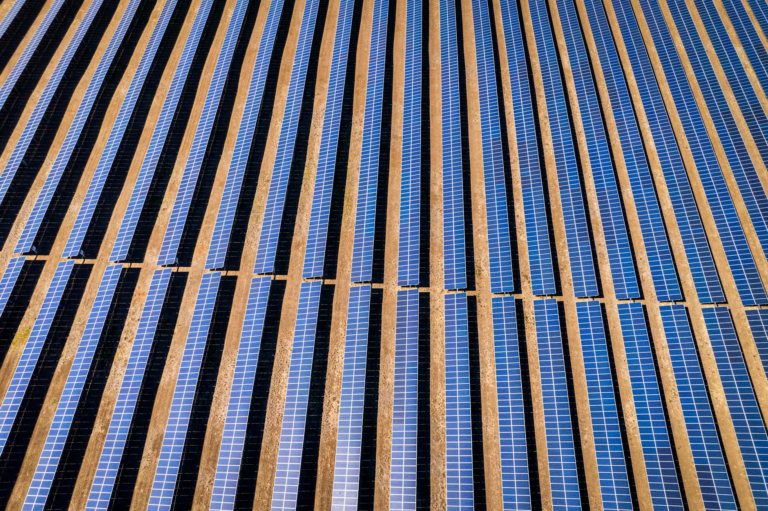
When a solar array is mounted on a roof or ground‑mounted racking system, the individual panels are not static objects. They expand and contract as temperatures rise and fall, especially in regions like the Florida Panhandle where daytime heat can exceed 95°F (35°C) and nighttime temperatures can drop dramatically. This thermal movement is a natural property of the glass, aluminum frames, and polymer back‑sheets that make up each solar panel. If the mounting design does not allow for this movement, panels can experience stress, leading to cracking, delamination, or even premature failure of the entire system. The solution that engineers and installers rely on is the strategic placement of solar expansion gaps panels—small, measured spaces left between each module to accommodate thermal expansion without compromising structural integrity.
Find us here:
Solar Cost Calculator – Florida Panhandle Only
* Estimate based on $3.25 per watt for solar installation.
* For Tesla Powerwall 3 Batteries, $15,000 for the first battery, $12,000 for each additional battery.
* Other variations and types of Batteries are available.
Why Heat‑Induced Movement Matters
Materials expand at different rates. For example, tempered glass typically expands about 9 µm per meter per degree Celsius, while aluminum frames expand roughly 23 µm per meter per degree Celsius. In a hot Florida summer, a 1.6 m by 1 m solar panel can increase in length by up to 2 mm. When dozens of panels are installed side by side without allowance for this shift, the cumulative effect can create significant pressure against the mounting rails. Over time, this pressure can warp the rails, loosen fasteners, and cause the panels to bow. By incorporating expansion gaps, the system effectively “breathes,” allowing each panel to move independently while keeping the overall array aligned and secure.
Design Standards and Building Codes
International and regional standards, such as the IEC 61215 and the NEC (National Electrical Code), reference the need for thermal accommodation in photovoltaic (PV) installations. While the codes do not prescribe a universal gap size, they require that installers follow the manufacturer’s recommendations and consider local climate data. In the Florida Panhandle, the American Society of Heating, Refrigerating and Air‑Conditioning Engineers (ASHRAE) climate zone 2 data indicate an average temperature swing of 35 °F (≈ 20 °C) between summer highs and winter lows. This swing translates directly into the expansion and contraction calculations that dictate how much space should be left between panels. Ignoring these guidelines can void warranties and may lead to costly repairs, underscoring why the proper use of solar expansion gaps panels is not just best practice but a compliance issue.
Key Benefits of Proper Expansion Gaps
- Prevents mechanical stress on glass and frame components.
- Reduces the risk of micro‑cracks that can lead to power loss.
- Maintains the structural alignment of the racking system over the system’s lifespan.
- Improves overall system reliability and reduces maintenance costs.
- Ensures compliance with manufacturer warranties and local building codes.
Calculating the Correct Gap Size
The calculation begins with the coefficient of thermal expansion (CTE) for each panel material, the maximum expected temperature rise (ΔT), and the panel’s length. The basic formula is: ΔL = CTE × ΔT × L. For a typical 1.6 m panel with an aluminum frame CTE of 23 µm/m·°C and a ΔT of 30 °C, the expansion (ΔL) works out to about 1.1 mm. Most installers double this figure to create a safety margin, resulting in an expansion gap of roughly 2–3 mm between adjacent panels. This modest space is enough to accommodate movement while still preserving the aesthetic continuity of the array.

Typical Expansion Gap Recommendations by Climate
| Climate Zone | Recommended Gap (mm) |
|---|---|
| Hot‑Humid (e.g., Florida Panhandle) | 2–3 mm |
| Temperate (e.g., Mid‑Atlantic) | 1.5–2 mm |
| Cold (e.g., Northern States) | 1–1.5 mm |
In the hot‑humid environment of the Florida Panhandle, the recommended gap of 2–3 mm accounts for both the high daytime temperatures and the occasional rapid cooling after sunset. Installing a gap smaller than this can lead to the panels pressing against each other, while a larger gap may create unnecessary visual gaps and could affect wind loading calculations. Properly sized gaps also simplify the installation process, as they allow for minor misalignments without the need for re‑drilling or adjusting the mounting rails.
Installation Best Practices
During installation, contractors should use spacers or shims that match the calculated gap size. These spacers are typically made of non‑conductive, UV‑stable plastic to avoid corrosion and electrical interference. After the panels are placed, the installer must verify the uniformity of the gaps using a calibrated ruler or digital caliper. It is also essential to secure the panels with fasteners that allow for slight movement, such as spring‑loaded bolts, which can accommodate the thermal expansion without loosening over time. By following these steps, the installer ensures that the solar expansion gaps panels function as intended throughout the system’s operational life.
Impact on System Performance
While the primary purpose of expansion gaps is mechanical, they indirectly influence electrical performance. Panels under stress can develop micro‑cracks in the photovoltaic cells, leading to hotspots and reduced power output. Studies have shown that arrays with correctly sized gaps can maintain up to 98 % of their rated efficiency over a 25‑year period, whereas poorly spaced installations may see a 3–5 % drop due to cumulative damage. Moreover, the gaps help maintain proper airflow behind the panels, which can aid in passive cooling and further preserve efficiency in the hot Florida climate.
Common Mistakes to Avoid
One frequent error is assuming that a tighter installation will look cleaner and therefore ignoring the need for expansion gaps. Another mistake is using generic spacers that are not rated for the specific temperature range of the installation site. Some installers also neglect to re‑check the gaps after the first few weeks, missing early signs of panel movement that could indicate an undersized gap. Finally, overlooking the manufacturer’s specific guidance can void warranties, especially if the installer deviates from the recommended gap dimensions for solar expansion gaps panels.
Maintenance and Inspection Tips
Regular visual inspections, ideally twice a year—once after the hottest summer months and once after the coolest winter period—can reveal whether gaps have shifted or if fasteners have loosened. Inspectors should look for signs of panel bowing, uneven spacing, or any cracking along the edges. If any issues are detected, adjustments should be made promptly to restore the designed gap size. Maintaining the integrity of the expansion gaps helps extend the lifespan of the array and safeguards the investment.
Future Trends in Panel Design
Manufacturers are increasingly engineering frames with built‑in flexure zones that reduce the need for large external gaps. Some newer panels incorporate flexible adhesives that accommodate movement without compromising seal integrity. However, until these technologies become standard, the industry still relies heavily on proper installation techniques that include solar expansion gaps panels. As the market evolves, installers who understand the fundamentals of thermal movement will be better positioned to adopt new solutions without sacrificing safety or performance.
Conclusion
In the hot, humid climate of the Florida Panhandle, accounting for thermal expansion through carefully measured gaps between solar modules is essential for durability, performance, and code compliance. By following established design guidelines, using the right spacers, and performing regular inspections, installers can ensure that their systems remain reliable for decades. Properly implemented expansion gaps protect both the hardware and the investment, making them a non‑negotiable element of any high‑quality solar installation.
