



Why Rooftop Heat Island Solar Effects Matter This Summer
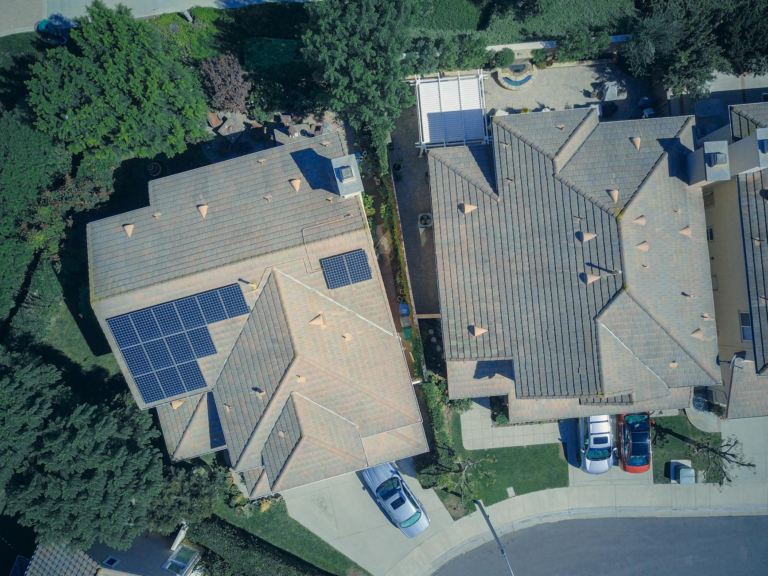
When the sun blazes over the Gulf Coast, homeowners in Panama City and Destin often notice their rooftops becoming scorching hot. This phenomenon, known as a rooftop heat island, does more than just raise the temperature inside a house—it can also diminish the performance of solar panels installed on the roof. Understanding how rooftop heat island solar dynamics work is essential for anyone looking to maximize energy production during the hottest months of the year. In this comprehensive guide, we’ll explore the science behind heat islands, examine how elevated temperatures impact solar efficiency, and provide practical steps to mitigate those effects while keeping your system running at peak output.
Find us here:
Solar Cost Calculator – Florida Panhandle Only
* Estimate based on $3.25 per watt for solar installation.
* For Tesla Powerwall 3 Batteries, $15,000 for the first battery, $12,000 for each additional battery.
* Other variations and types of Batteries are available.
Understanding Rooftop Heat Islands
What Is a Rooftop Heat Island?
A rooftop heat island occurs when a roof absorbs and retains more solar radiation than the surrounding environment, causing the surface temperature to rise significantly above ambient air temperature. Darker roofing materials, low‑albedo surfaces, and limited ventilation all contribute to this effect. In coastal cities like Panama City and Destin, the combination of high humidity, intense sunlight, and frequent use of metal or tar‑based roofing can create temperature differentials of 20 °F (11 °C) or more. These elevated surface temperatures directly influence the rooftop heat island solar relationship, as the panels mounted on the hot deck receive more heat than they would on a cooler, reflective surface.
Primary Causes of Rooftop Heat Build‑Up
- Dark or low‑reflectivity roofing materials that absorb rather than reflect sunlight.
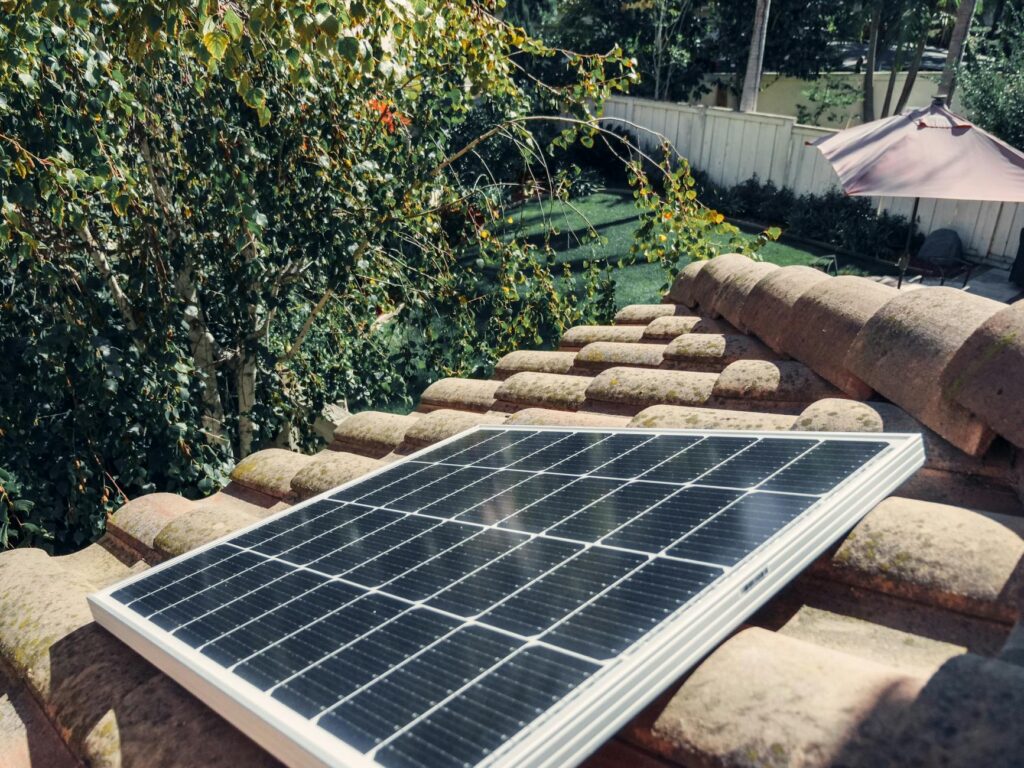
- Insufficient airflow beneath the panels, which traps heat.
- Limited shading from nearby trees, awnings, or adjacent structures.
- High thermal mass in roofing components such as concrete tiles or metal sheets.
- Geographic location with strong, direct solar irradiance during summer months.
Each of these factors can amplify the rooftop heat island solar effect, leading to higher operating temperatures for photovoltaic (PV) modules. The result is a measurable decline in the amount of electricity generated per watt of installed capacity, especially when the sun is at its strongest.
How Elevated Temperatures Influence Solar Panel Efficiency
The Temperature Coefficient Explained
Solar panels are rated under standard test conditions (STC) that assume a cell temperature of 25 °C (77 °F). Real‑world installations rarely meet these ideal conditions. Manufacturers provide a temperature coefficient, typically expressed as a percentage loss of power per degree Celsius above 25 °C. For example, a panel with a –0.40 %/°C coefficient will lose 0.40 % of its rated power for each degree the cell temperature exceeds 25 °C. This metric is central to the rooftop heat island solar conversation because higher roof temperatures directly raise cell temperatures, magnifying the efficiency loss.
Consider a typical monocrystalline module with a –0.38 %/°C coefficient. If the rooftop heat island raises the module temperature to 55 °C (131 °F) on a sweltering summer day, that 30 °C increase translates to an approximate 11.4 % reduction in output. In a system that would otherwise produce 8 kW under STC, the same system might generate only about 7.1 kW during peak heat, representing a substantial loss over the course of a month.
Quantifying Efficiency Loss in Summer
Research conducted by the National Renewable Energy Laboratory (NREL) shows that for every 1 °C rise in module temperature, solar output can decline by 0.3 % to 0.5 %, depending on the technology. In the Gulf Coast region, where rooftop heat island effects can push module temperatures 30 °C or more above ambient, the cumulative loss may exceed 12 % during the hottest weeks. This efficiency dip not only reduces immediate electricity generation but also impacts long‑term financial returns, extending the payback period for a residential solar investment.
Seasonal Impact: Summer Heat in Panama City and Destin
Summer in Panama City and Destin is characterized by long days, high solar irradiance, and frequent temperatures that climb above 90 °F (32 °C). When combined with the rooftop heat island effect, solar panels can experience cell temperatures that regularly exceed 150 °F (65 °C). The result is a pronounced seasonal dip in performance that homeowners may not anticipate when sizing their system. While the overall annual energy yield remains strong due to the region’s abundant sunshine, the summer months can see a temporary dip of 8 % to 15 % in daily production compared to cooler months.
Local installers often observe that homes with reflective roofing or built‑in ventilation maintain panel temperatures roughly 10 °F (5 °C) cooler than those with traditional dark shingles. This modest temperature difference can translate into an extra 3 % to 5 % energy capture during peak summer days, underscoring the importance of addressing rooftop heat island solar concerns early in the design phase.
Mitigation Strategies to Reduce Rooftop Heat Island Impact
Design Choices That Lower Roof Temperatures
One of the most effective ways to combat the rooftop heat island solar effect is to choose roofing materials with high solar reflectance. Light‑colored metal roofs, cool‑roof coatings, and reflective membrane systems can reflect up to 70 % of incoming solar radiation, significantly lowering surface temperature. In addition, incorporating a small air gap between the panels and the roof deck—often achieved with mounting racks that provide a 1‑ to 2‑inch clearance—allows convective cooling, which can reduce module temperature by several degrees.
Active Cooling Techniques
- Installing passive ventilation channels beneath the panel array to promote airflow.
- Using spray‑on water mist systems during extreme heat spikes (though water usage must be managed).
- Integrating phase‑change material (PCM) pads beneath panels that absorb heat and release it slowly.
- Employing solar‑powered fans that activate automatically when panel temperature exceeds a set threshold.
While active cooling adds upfront cost, the long‑term gains in energy production can offset the investment, especially in regions where rooftop heat island solar effects are pronounced. Homeowners should weigh the additional expense against the projected increase in annual output when deciding on a cooling solution.
Choosing the Right Solar Panels for Hot Roofs
Panel Technologies with Lower Temperature Coefficients
When designing a system for a hot rooftop, selecting panels with a lower temperature coefficient can mitigate efficiency loss. Bifacial modules, for example, often have coefficients around –0.30 %/°C, while high‑efficiency monocrystalline panels may range from –0.35 %/°C to –0.38 %/°C. Thin‑film technologies, such as cadmium telluride (CdTe) or copper indium gallium selenide (CIGS), typically exhibit even lower coefficients, sometimes as low as –0.20 %/°C, making them well‑suited for rooftop heat island environments.
It’s also worth considering panels with built‑in cooling features, such as integrated heat‑sink backsheets or specialized anti‑soiling coatings that reduce temperature rise. These innovations, while sometimes more expensive, can improve overall system resilience against rooftop heat island solar challenges.
Panel Temperature Coefficient Comparison
| Panel Type | Temperature Coefficient (%/°C) | Typical Efficiency at 25 °C |
|---|---|---|
| High‑Efficiency Monocrystalline | –0.38 | 22 % |
| Bifacial Monocrystalline | –0.30 | 21 % |
| Thin‑Film CdTe | –0.20 | 18 % |
The table above illustrates how selecting a panel with a lower temperature coefficient can preserve more of its rated output as rooftop temperatures climb. For homeowners facing significant rooftop heat island solar conditions, opting for a thin‑film CdTe module could retain up to 6 % more power during peak heat compared to a standard monocrystalline panel.
Real‑World Case Studies
Case Study 1: A 4,000 W System on a Dark Shingle Roof in Panama City
A family in Panama City installed a 4 kW monocrystalline system on a traditional dark‑shingle roof without any ventilation clearance. During July, rooftop temperatures regularly reached 160 °F (71 °C). The panels, with a –0.38 %/°C coefficient, experienced an average efficiency loss of 12 % compared to the system’s rated output. By retrofitting a reflective roof coating and adding 1‑inch mounting spacers, the household reduced panel temperature by approximately 8 °F (4.5 °C), improving summer generation by about 3 % and shaving roughly 200 kWh off the annual utility bill.
Case Study 2: A 6,500 W Thin‑Film Installation on a Cool‑Roof Membrane in Destin
In Destin, a homeowner chose a 6.5 kW CdTe thin‑film system and paired it with a cool‑roof membrane boasting a 70 % solar reflectance index. The membrane kept rooftop surface temperatures 15 °F (8 °C) lower than neighboring houses with conventional roofing. Because the CdTe modules have a –0.20 %/°C coefficient, the temperature advantage translated into a modest 2 % boost in summer output, but the overall system still outperformed a comparable monocrystalline installation by 5 % over the year, demonstrating the synergistic benefits of combining low‑temperature‑coefficient panels with heat‑mitigating roof designs.
Frequently Asked Questions About Rooftop Heat Island Solar Effects
- Will a solar inverter protect my panels from heat damage? Inverters regulate electrical output but do not affect panel temperature. Proper ventilation and reflective roofing are needed to manage heat.
- Can I install solar panels on a flat roof without increasing heat buildup? Yes, by using a tilted racking system that creates an air gap, you can promote airflow and reduce temperature rise.
- Do solar panels themselves add to the rooftop heat island? Panels absorb sunlight, but high‑efficiency modules convert a larger portion of that energy into electricity, reducing the amount converted to heat.
- Is it worth adding a cooling fan system? For roofs that regularly exceed 150 °F (65 °C), a solar‑powered fan can improve output by 2 %–4 % and may pay for itself over several years.
