
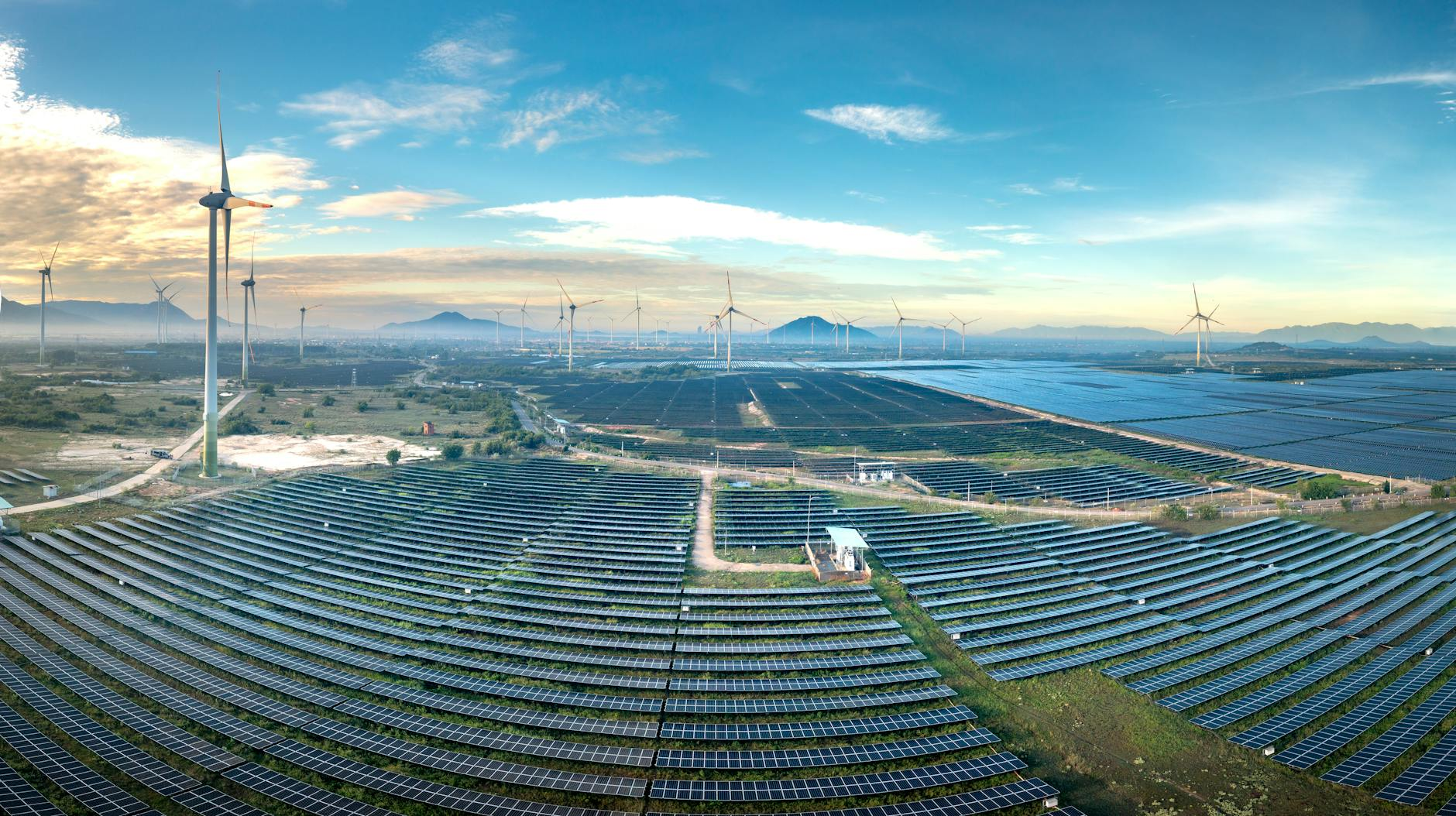
Installing rooftop solar on a beachfront property is a rewarding investment, but it comes with a unique set of challenges. The relentless gusts that sweep across the Gulf of Mexico can dramatically affect panel performance and system longevity. That’s why professional solar installers spend considerable time evaluating coastal wind exposure solar conditions before they ever lift a mounting bracket. In Destin and Navarre Beach, where hurricane‑season winds can exceed 100 miles per hour, a thorough wind‑exposure analysis protects both the homeowner’s budget and the integrity of the solar array. This article walks you through the exact steps that installers follow, from gathering historical wind data to selecting the right racking system, ensuring that every panel is securely anchored against the most demanding coastal breezes.
Find us here:
Solar Cost Calculator – Florida Panhandle Only
* Estimate based on $3.25 per watt for solar installation.
* For Tesla Powerwall 3 Batteries, $15,000 for the first battery, $12,000 for each additional battery.
* Other variations and types of Batteries are available.
Why Wind Matters for Coastal Solar Installations
Wind pressure on a roof is not just a matter of comfort; it directly impacts the mechanical stress on solar panels, mounting hardware, and the roof structure itself. On a typical inland home, standard mounting kits are designed for wind speeds of 90 miles per hour or less. However, homes located on the Gulf Coast regularly experience higher gusts, especially during tropical storms and the occasional hurricane. When wind forces exceed a system’s design limits, panels can lift, brackets can fail, and roofing materials may be compromised. Moreover, excessive wind can cause micro‑vibrations that degrade the performance of the photovoltaic cells over time. By conducting a detailed coastal wind exposure solar assessment, installers can match equipment specifications to the actual forces a home will face, thereby avoiding costly repairs and ensuring the system remains productive for decades.
Understanding Local Wind Zones
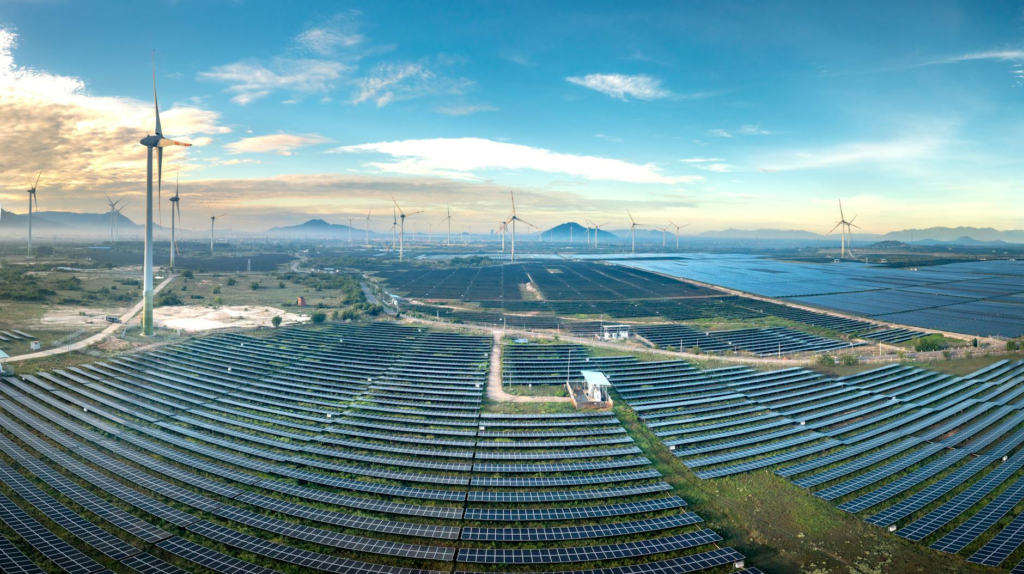
The National Weather Service divides the United States into wind zones that reflect the maximum sustained wind speeds historically recorded in each area. Destin and Navarre Beach fall into Wind Zone 4, the highest category for the contiguous United States, indicating design wind speeds of up to 140 miles per hour. Installers begin by confirming the specific wind zone for a property using the ASCE 7-16 standard, which provides the baseline wind pressure values needed for structural calculations. This classification informs every subsequent decision, from the type of mounting rails to the thickness of the roof decking that will support the array. By integrating the wind‑zone data into the coastal wind exposure solar workflow, professionals can pre‑emptively address the most demanding conditions a beachfront home might encounter.
Step 1: Site Survey and Historical Data Review
The first on‑the‑ground activity is a comprehensive site survey. Installers walk the property, noting roof pitch, orientation, shading obstacles, and existing penetrations. Simultaneously, they pull historical wind records from NOAA and local meteorological stations to establish a baseline of average, peak, and gust wind speeds over the past 30 years. This data set is cross‑referenced with the ASCE wind maps to verify the wind zone classification. The goal is to create a wind profile that reflects both long‑term trends and extreme events, which becomes the foundation for the structural analysis that follows. In coastal areas, it’s common to see a higher frequency of wind events that exceed the 10‑year design life, making this historical review a critical component of the coastal wind exposure solar evaluation.
Step 2: On‑site Wind Speed Measurements
While historical data provides a macro view, real‑time measurements capture the micro‑climate nuances of a specific roof. Installers may set up an anemometer on a temporary pole near the rooftop for a period of 48 to 72 hours, recording wind speed, direction, and gust factors. This short‑term monitoring helps identify localized wind tunnels created by nearby dunes, vegetation, or adjacent structures that can amplify wind pressure on certain roof sections. The collected data is fed into computational fluid dynamics (CFD) software, which simulates how wind flows across the home’s geometry. The resulting pressure coefficients are then used to fine‑tune the structural design, ensuring that the coastal wind exposure solar assessment accounts for both regional trends and site‑specific conditions.
Step 3: Structural Analysis of the Roof
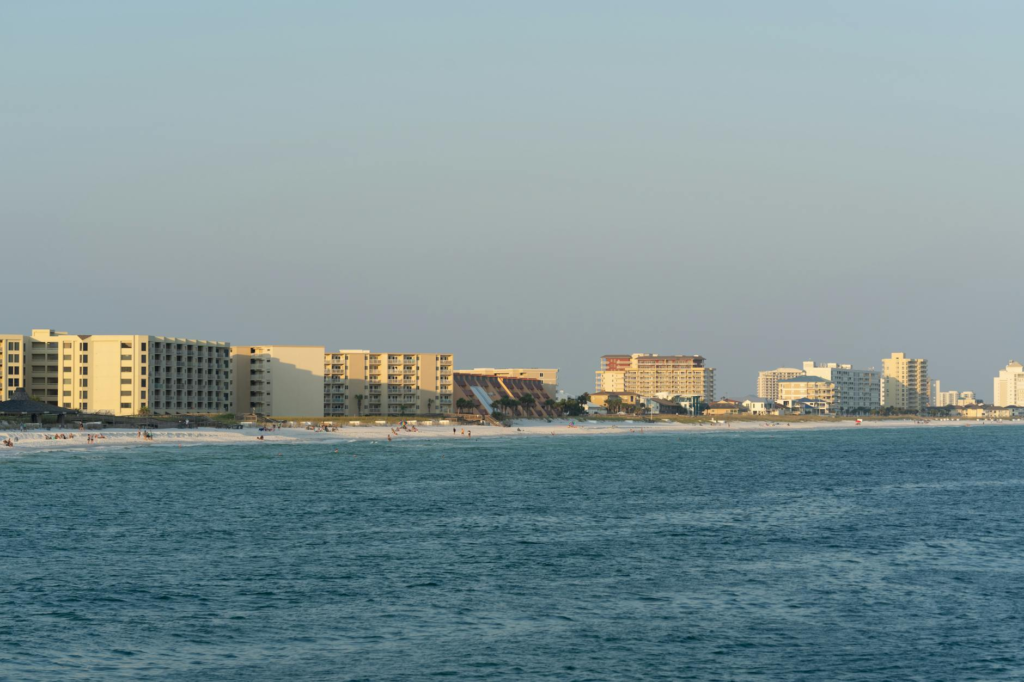
Armed with wind pressure values, the next step is a detailed structural analysis. Engineers calculate the uplift forces acting on each solar module and the shear forces on the mounting rails. They assess the roof’s framing members—rafters, joists, and decking—to confirm that they can resist the additional loads without excessive deflection. In many coastal homes, the roof deck may be composed of lightweight plywood or OSB that was selected for cost rather than strength. If the analysis reveals insufficient capacity, the installer will recommend reinforcement measures such as additional blocking, thicker decking, or even a new sub‑roof system. This proactive approach prevents future failures that could arise from the combined weight of the solar array and high wind loads, a key concern in any coastal wind exposure solar project.
Step 4: Selecting Wind‑Rated Racking
Standard racking kits are typically rated for wind speeds up to 90 miles per hour, which is insufficient for most beachfront properties. Installers therefore turn to wind‑rated mounting systems that have been tested to meet or exceed the requirements of Wind Zone 4. These systems often feature deeper rails, reinforced brackets, and additional fasteners that anchor directly into the roof framing rather than relying solely on the decking. Some manufacturers provide independent third‑party certification, such as UL 2703, confirming that the hardware can withstand uplift forces of 140 miles per hour or more. By specifying a wind‑rated solution, installers align the hardware’s performance envelope with the findings of the coastal wind exposure solar analysis, delivering a resilient installation that can survive the most aggressive storms.
Step 5: Compliance with Local Building Codes
Every municipality along the Emerald Coast has its own building code amendments that address wind resistance for solar installations. In Destin, for example, the city requires a minimum roof attachment factor of 1.5 for structures in Wind Zone 4, while Navarre Beach mandates that all solar racking be bolted to the roof trusses using approved structural screws. Installers must submit detailed engineering reports, wind load calculations, and product certifications to the local building department for plan review. Once approved, the installation proceeds with the confidence that it meets both the code and the rigorous standards set by the coastal wind exposure solar assessment. Failure to obtain the proper permits can result in fines, forced removal of the system, or denial of insurance coverage after a storm event.
Tools and Technology Used in Wind‑Exposure Analysis
Modern solar installers leverage a suite of digital tools to streamline the coastal wind exposure solar evaluation. Geographic Information System (GIS) platforms overlay wind zone maps with property parcels, giving a quick visual of the expected wind loads. Drones equipped with high‑resolution cameras capture roof geometry and potential obstructions without the need for a ladder climb, improving safety and accuracy. Software such as SAM (System Advisor Model) integrates wind data to predict performance losses due to panel tilt changes caused by wind‑induced deflection. Finally, structural analysis programs like RISA‑3D or SAP2000 model the interaction between the solar array and the roof under various wind scenarios, producing detailed reports that satisfy both engineering standards and local code requirements. The combination of field measurements and advanced modeling ensures that every decision is backed by data, not guesswork, which is essential for any successful coastal wind exposure solar project.
Common Challenges on Destin and Navarre Beach
Homeowners in these beachside communities often encounter obstacles that can complicate the wind‑exposure analysis. Salt‑laden air accelerates corrosion of metal components, so installers must choose stainless‑steel or anodized fasteners that can survive the harsh environment. Roofs with standing seam metal or slate tiles require specialized flashing techniques to maintain the waterproof integrity of the roof while providing a secure anchor point for the racking. Additionally, many beachfront homes feature “over‑hangs” or cantilevered sections that are especially vulnerable to uplift forces; these areas may need custom‑fabricated brackets or even a redesign of the array layout. By addressing these challenges early in the evaluation process, installers can mitigate the risk of future failures and ensure that the coastal wind exposure solar system performs reliably year after year.
Homeowner Checklist for a Wind‑Ready Solar Installation
- Verify that your property is classified in Wind Zone 4.
- Request a detailed wind‑exposure report from your installer.
- Confirm that all mounting hardware is wind‑rated for at least 140 mph.
- Ask for structural reinforcement recommendations if your roof deck is lightweight.
- Ensure that all permits are obtained and that the design complies with local code.
- Schedule a post‑install inspection to verify proper anchoring.
Quick Reference Table
| Evaluation Step | Key Deliverable |
|---|---|
| Site Survey & Historical Data | Wind‑zone classification & baseline wind profile |
| On‑site Measurements | Pressure coefficients from CFD analysis |
| Structural Analysis | Reinforcement plan for roof framing |
| Racking Selection | Wind‑rated mounting system certification |
By following this systematic approach, solar installers can confidently address the unique demands of coastal wind exposure solar projects on beachfront homes. The combination of rigorous data collection, advanced modeling, and code‑compliant hardware ensures that panels stay securely in place, generate optimal electricity, and protect the homeowner’s investment for the long term.
In conclusion, evaluating wind exposure is not an optional step but a foundational element of any solar installation on the Gulf Coast. Homeowners in Destin, Navarre Beach, and surrounding areas should partner with installers who prioritize a thorough coastal wind exposure solar assessment, use wind‑rated equipment, and adhere to local building codes. With the right preparation, a rooftop solar system can thrive even under the most challenging coastal wind conditions, delivering clean energy and peace of mind for years to come.