



Understanding Roof Expansion and Its Effect on Solar Longevity
In sunny regions like the Florida Panhandle, solar panels are a popular choice for homeowners seeking clean energy and lower utility bills. Yet, the very climate that makes solar attractive also creates a hidden challenge: the constant cycle of heat and cooling that causes roofing materials to expand and contract. When these movements occur around the mounting points of a solar array, they can introduce stress, misalignment, and even premature failure of the system. This article explores why roof expansion matters, how it interacts with solar mounting hardware, and what steps installers and owners can take to protect the lifespan of their solar investments.
Find us here:
Solar Cost Calculator – Florida Panhandle Only
* Estimate based on $3.25 per watt for solar installation.
* For Tesla Powerwall 3 Batteries, $15,000 for the first battery, $12,000 for each additional battery.
* Other variations and types of Batteries are available.
The Science Behind Roof Expansion
All building materials respond to temperature changes. As the sun beats down on a roof, the surface temperature can rise well above the ambient air temperature, causing the material—whether it’s asphalt shingles, metal, or composite panels—to expand. When the sun sets and cooler night air returns, the material contracts. This thermal cycling happens daily in the Panhandle, where summer highs often exceed 90°F (32°C) and winter lows can dip below 40°F (4°C). The degree of movement depends on the material’s coefficient of thermal expansion, the thickness of the roofing layer, and the presence of moisture.
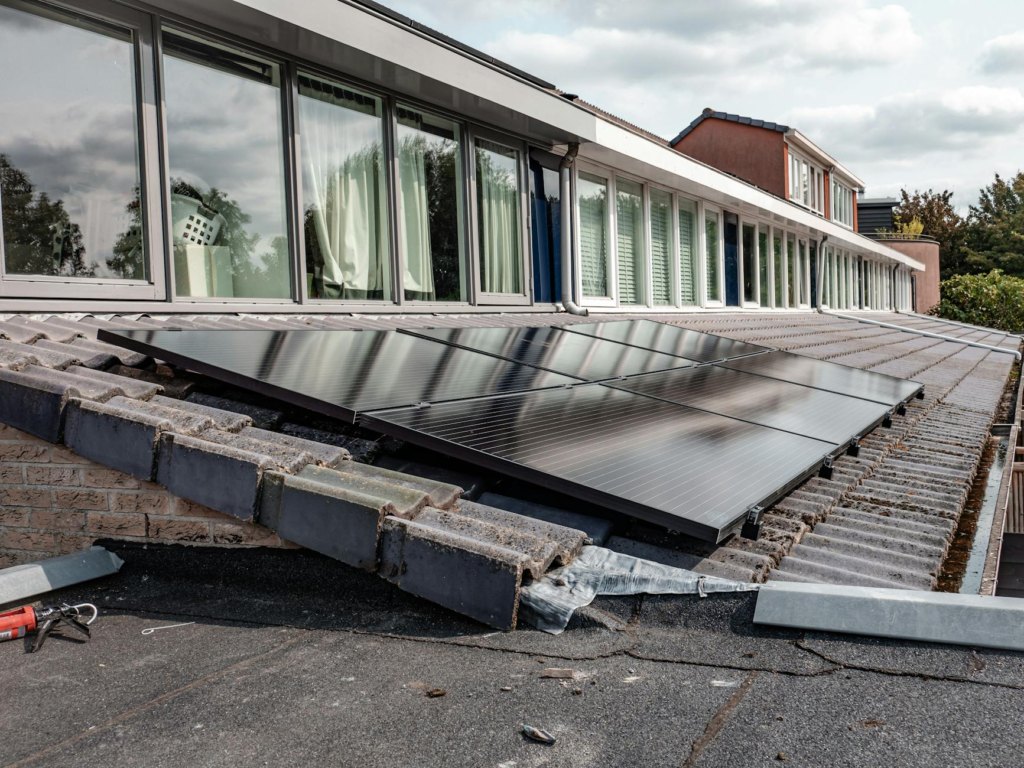
For metal roofing, expansion can be as much as 0.004 inches per foot for each 10°F (5.5°C) change in temperature. Asphalt shingles, while more flexible, still experience measurable movement, especially when the underlying decking swells due to humidity. Composite roofing systems, which blend polymers and fibers, have their own expansion profiles that can be unpredictable if the manufacturer’s specifications are not strictly followed during installation.
How Roof Expansion Interacts With Solar Mounting Points
Solar mounting systems are engineered to secure panels to a roof while allowing for a degree of movement. However, most standard mounts assume a relatively stable substrate. When roof expansion solar systems are not accounted for, the mounting hardware can become a point of leverage, pulling on the roof deck or the flashing. Over time, this can lead to cracked sealants, warped flashing, and even the loosening of bolts. The result is a reduction in the structural integrity of the solar array and a higher likelihood of panel misalignment, which reduces energy production efficiency.
In extreme cases, repeated expansion and contraction can cause the roof to lift around the mounting rails, creating gaps that allow water infiltration. Moisture intrusion not only damages the roof but also threatens the electrical components of the solar system, potentially leading to corrosion or short circuits. This is why understanding roof expansion is a critical component of designing durable roof expansion solar systems.
Key Factors That Influence Expansion Stress
- Roofing material type and thickness
- Local climate and temperature swing range
- Installation method of the mounting system
- Presence of thermal breaks or isolation pads
- Quality of sealing and flashing around mount points
Each of these factors plays a role in how much stress is transferred from the roof to the solar mounting hardware. For instance, a metal roof with a high coefficient of thermal expansion will exert more force on a mount than a low‑slope shingle roof. Similarly, a mounting system that includes a built‑in thermal break can absorb some of the movement, reducing the load on the roof deck. Proper sealing and flashing are essential to prevent water from entering the gap created by expansion, which is a common failure point in many roof expansion solar systems installations.
Design Strategies for Managing Roof Expansion
Modern solar installers employ several design strategies to mitigate the effects of roof expansion. One popular approach is the use of floating mounts, which are attached to the roof but allow the panels to move independently of the substrate. Another technique involves installing a layer of isolation material—often a rubber or silicone pad—between the roof deck and the mounting hardware. This pad acts as a cushion, absorbing the thermal movement and preventing direct stress on the roof.
In addition, some manufacturers offer expansion‑compensating brackets that can be adjusted after installation to accommodate any observed movement. These brackets are especially useful in regions like the Florida Panhandle where seasonal temperature swings are pronounced. By incorporating these design elements, installers can ensure that roof expansion solar systems remain secure and functional for decades.
Materials That Resist Expansion
Choosing roofing materials with lower expansion rates can significantly reduce stress on solar mounts. For example, standing‑seam metal roofing often includes built‑in expansion joints that allow the panels to move without compromising the integrity of the roof. Similarly, certain high‑performance shingles are formulated with polymer additives that limit thermal movement. When planning a new solar installation, it’s wise to evaluate the roof’s existing material and consider upgrades that are compatible with roof expansion solar systems.
Maintenance Practices to Extend Solar Lifespan
Regular maintenance is essential to catch early signs of stress caused by roof expansion. Homeowners should inspect the mounting hardware at least twice a year—once after the hottest summer months and once after the cooler winter period. Look for signs such as loosened bolts, cracked sealant, or water stains around the mounting brackets. Promptly tightening fasteners and resealing any gaps can prevent larger failures down the line.
Cleaning the roof surface and the panels also helps. Debris can trap heat, causing localized hot spots that exacerbate expansion. Using a soft brush and a mild detergent will keep both the roof and the panels in good condition without damaging the sealants or the mounting system.
Florida Panhandle Specific Considerations
The Florida Panhandle experiences some of the most aggressive heat cycles in the United States. Summer days often see temperatures soaring above 95°F (35°C), while winter evenings can dip into the 30s°F (near 0°C). This dramatic swing means that roof expansion solar systems must be designed with extra tolerance. Additionally, the region’s high humidity can cause roofing materials to swell, adding another dimension of movement that must be accounted for.
Local building codes in the Panhandle also require specific flashing details and wind‑uplift resistance for solar installations. By adhering to these codes and selecting mounting hardware that includes expansion compensation features, installers can protect both the roof and the solar array from the unique stresses of this climate.
Comparing Expansion Rates of Common Roofing Materials
| Material | Typical Expansion Rate (inches per foot per 10°F) | Impact on Solar Mounts |
|---|---|---|
| Standing‑Seam Metal | 0.004 | Requires floating mounts or thermal breaks |
| Asphalt Shingles | 0.0015 | Standard mounts work if sealed properly |
| Composite Roofing | 0.0025 | Use expansion‑compensating brackets |
Future Trends in Roof Expansion Solar Systems
As solar technology advances, manufacturers are developing mounting systems that are increasingly tolerant of thermal movement. Smart mounts equipped with sensors can monitor the degree of expansion and alert homeowners to potential issues before they become visible. Additionally, research into new roofing composites aims to create materials with near‑zero thermal expansion, which would dramatically reduce the need for specialized mounting solutions.
These innovations promise to make roof expansion solar systems more resilient, especially in extreme climates like the Florida Panhandle. By staying informed about the latest developments, homeowners and installers can make choices that safeguard the longevity of both the roof and the solar investment.
Key Takeaways for Homeowners
- Understand how your roof material expands and contracts.
- Choose mounting hardware designed for thermal movement.
- Inspect and maintain mounts regularly, especially after extreme temperature changes.
- Consider roofing upgrades that minimize expansion.
- Follow local building codes and best practices for sealing and flashing.
By paying attention to roof expansion, you protect your solar panels from premature wear and ensure that they continue to generate clean energy efficiently for years to come.
In conclusion, roof expansion is not just a minor inconvenience—it’s a critical factor that directly influences the durability and performance of solar installations. Proper design, material selection, and ongoing maintenance are essential components of successful roof expansion solar systems, especially in heat‑intensive regions like the Florida Panhandle.
