



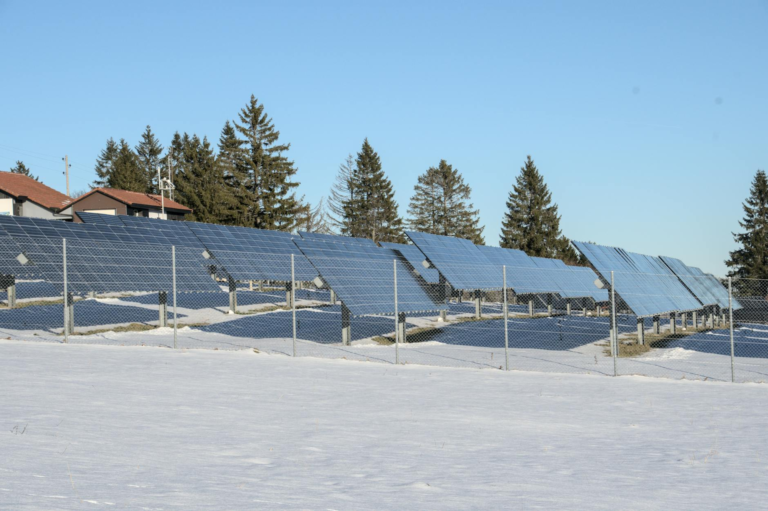
When you hear that solar panels can generate more electricity during the cooler months, it may sound counter‑intuitive. After all, the days are shorter, the sun sits lower on the horizon, and many people assume that less sunlight automatically means less power. In reality, the physics of photovoltaic (PV) cells tells a different story. In regions like the Florida Panhandle, where winter mornings are crisp and panel temperatures drop noticeably, the phenomenon known as “cool weather solar production” can lead to higher daily yields despite the reduced daylight hours. This article dives deep into why lower temperatures boost solar efficiency, how seasonal weather patterns influence output, and what homeowners can do to maximize the benefits of their solar investments year‑round.
Find us here:
Solar Cost Calculator – Florida Panhandle Only
* Estimate based on $3.25 per watt for solar installation.
* For Tesla Powerwall 3 Batteries, $15,000 for the first battery, $12,000 for each additional battery.
* Other variations and types of Batteries are available.
Understanding the Basics: Temperature and PV Efficiency
Photovoltaic cells convert sunlight into electricity through the photoelectric effect. When photons strike the semiconductor material—most commonly silicon—they free electrons, creating an electric current. However, the process is temperature‑sensitive. As a solar panel warms up, the semiconductor’s bandgap narrows, which reduces the voltage produced by each cell. While the current (measured in amperes) may increase slightly with temperature, the overall power output (watts) drops because voltage has a larger impact on the final calculation (Power = Voltage × Current).
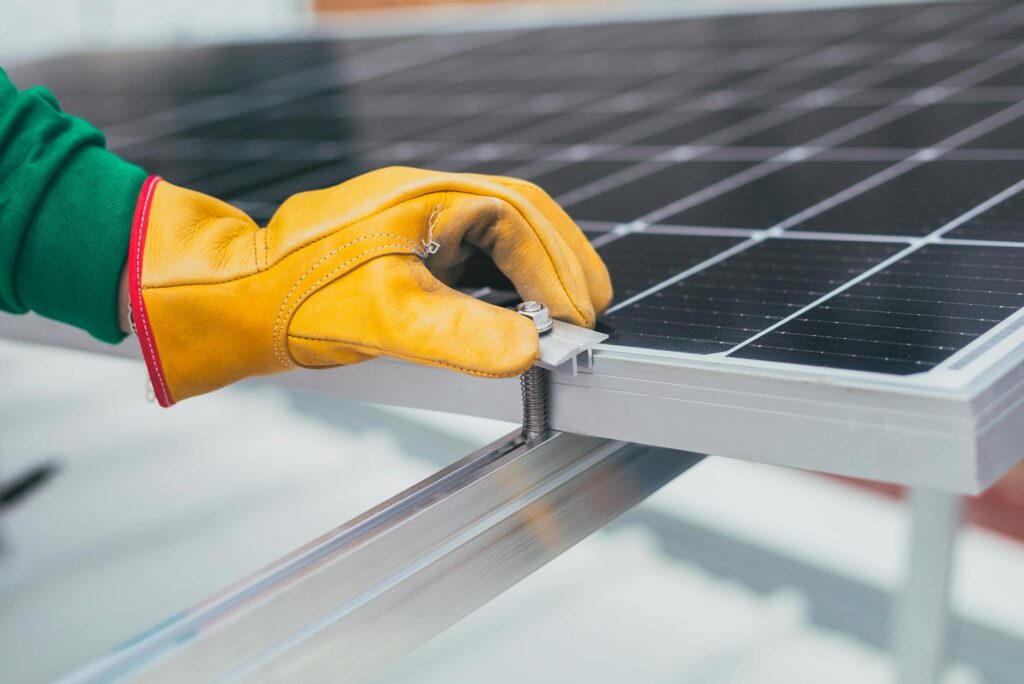
Manufacturers provide a metric called the temperature coefficient, usually expressed as a percentage loss per degree Celsius above 25 °C (77 °F). A typical coefficient might be –0.45 %/°C. This means that for every degree the panel’s temperature rises above the standard test condition, its output falls by about 0.45 %. In hot summer months, panels in the Florida Panhandle can exceed 50 °C (122 °F) on sunny afternoons, shaving off roughly 11 % of their rated capacity. In contrast, a chilly winter day that keeps panels at 15 °C (59 °F) can boost output by nearly 5 % compared with the 25 °C baseline.
Why Cooler Air Improves Performance
The key to “cool weather solar production” lies in two simple mechanisms. First, cooler ambient air acts as a natural heat sink, allowing panels to shed excess heat more efficiently. Second, lower temperatures increase the semiconductor’s open‑circuit voltage, which directly raises the panel’s power rating. When the sun’s intensity remains strong—such as during clear, crisp winter mornings—these temperature advantages outweigh the modest loss of daylight hours, resulting in higher per‑hour generation.
Seasonal Weather Patterns in the Florida Panhandle
The Florida Panhandle experiences a subtropical climate with hot, humid summers and mild, dry winters. While the region enjoys abundant sunshine year‑round, the winter months (December through February) bring lower humidity, lighter winds, and average high temperatures in the mid‑60s °F (≈18 °C). These conditions keep solar panels well below the scorching temperatures seen in July and August, where highs regularly climb into the 90s °F (≈32 °C) and humidity adds additional thermal stress.
Because the sun’s angle is lower during winter, the intensity of direct irradiance can actually be higher per unit of time when the sky is clear. The combination of clear skies, low humidity, and cool panel temperatures creates an ideal environment for “cool weather solar production.” In practice, many Florida Panhandle homeowners notice a noticeable jump in their daily kilowatt‑hour (kWh) readings during January and February, even though the day length is roughly 10 % shorter than in midsummer.
Quantifying the Impact: A Simple Comparison
| Month | Average Panel Temp (°C) | Typical Daily Output (kWh) |
|---|---|---|
| January | 15 | 5.2 |
| July | 48 | 4.6 |
The table above illustrates a typical residential solar system in the Panhandle. In January, when panel temperatures hover around 15 °C, the system produces about 5.2 kWh per day on a clear sky. By contrast, in July the panels run at an average of 48 °C, and daily output drops to roughly 4.6 kWh despite longer daylight. This 13 % difference aligns closely with the temperature coefficient calculations, confirming that cooler weather can indeed offset shorter days.
Key Factors That Enhance Cool Weather Production
- High solar irradiance on clear winter days.
- Lower ambient temperatures reducing panel heat buildup.
- Reduced humidity, which minimizes atmospheric scattering of sunlight.
- Higher open‑circuit voltage in cooler conditions.
- Effective mounting designs that promote airflow beneath panels.
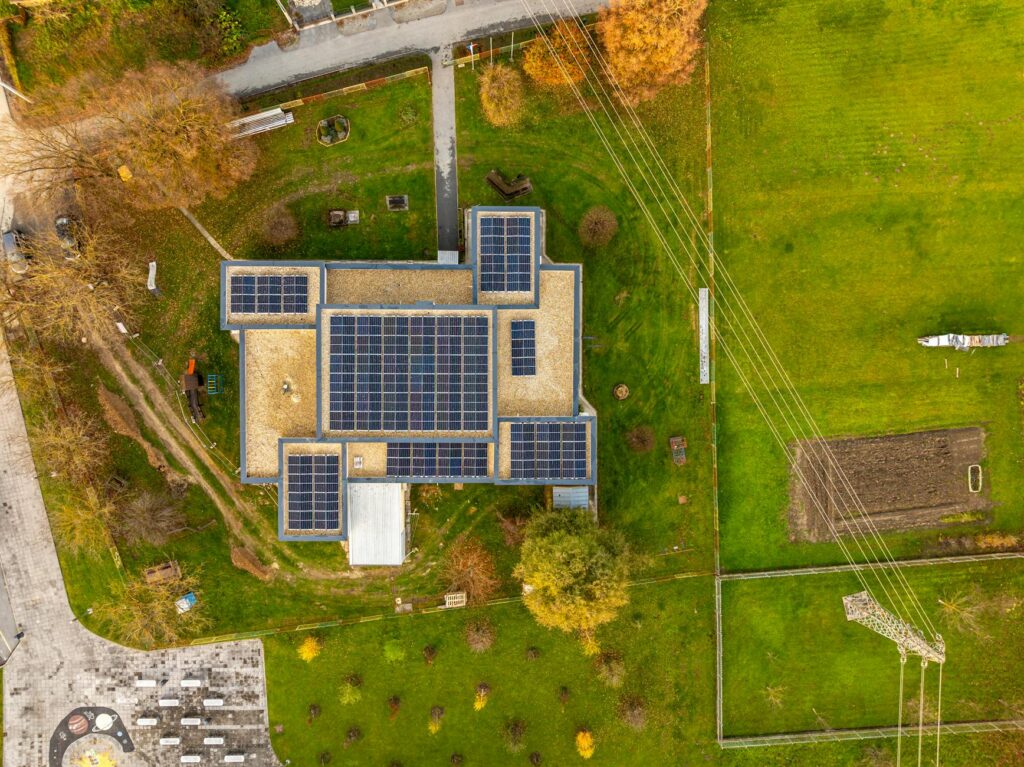
Each of these elements contributes to the overall efficiency boost. For instance, a well‑ventilated racking system can further lower panel temperatures by a few degrees, compounding the natural cooling effect. Homeowners who install their panels with a slight tilt facing south (or north‑west in the Panhandle) can also capture more direct sunlight during the low‑angle winter sun, maximizing the benefit of “cool weather solar production.”
Common Myths About Winter Solar Output
Myth #1: “Winter days are too short to make a difference.” While it’s true that daylight hours shrink, the higher efficiency of panels in cool weather often compensates for the loss. In many cases, the net energy generated in a winter month can be within 5 % of the summer total.
Myth #2: “Snow and ice always block sunlight.” In the Florida Panhandle, snowfall is rare, and when it does occur, it melts quickly due to the mild temperatures. Even a light dusting of frost can be brushed off without harming the panels, and the underlying temperature advantage remains.
Myth #3: “Cold weather damages solar panels.” Modern PV modules are tested to withstand temperatures well below freezing. The biggest risk is thermal shock from rapid temperature changes, which is mitigated by using high‑quality mounting hardware and allowing panels to warm up gradually after a cold night.
Practical Tips to Harness More Cool Weather Solar Production
1. **Optimize Panel Tilt** – Adjust the tilt angle to match the sun’s winter altitude. A steeper tilt can capture more direct sunlight during low‑angle mornings.
2. **Ensure Adequate Airflow** – Choose mounting systems that create space between the roof and the panel surface. This promotes natural convection, keeping temperatures down.
3. **Keep Panels Clean** – Even light dust or pollen can reduce efficiency. A quick rinse after a windy fall day ensures the panels receive the maximum possible irradiance.
4. **Monitor Performance** – Use a solar monitoring app to track daily output. If you notice a dip during winter, check for shading, debris, or unexpected temperature spikes.
5. **Consider Bifacial Modules** – These panels capture reflected light from the ground, which can be especially effective in winter when the ground is cooler and may reflect more light.
Economic Implications of Seasonal Efficiency Shifts
From a financial perspective, “cool weather solar production” can improve the return on investment (ROI) for homeowners. Utilities often charge higher rates during peak summer demand, but many net‑metering agreements credit excess generation at the same rate regardless of season. Therefore, the additional kilowatt‑hours produced in winter translate directly into bill savings. Over a 25‑year system lifespan, the cumulative effect of a few extra kilowatt‑hours each winter can amount to several hundred dollars in added value.
Furthermore, some state incentives and utility programs offer seasonal bonuses for renewable energy generation during low‑demand periods. While Florida’s solar incentives are generally uniform, a savvy homeowner can leverage the higher efficiency of winter production to meet annual generation targets more comfortably, ensuring eligibility for performance‑based rebates.
Future Trends: How Technology Is Enhancing Cool Weather Performance
Advancements in PV technology are narrowing the performance gap between hot and cool conditions. Newer cell architectures, such as heterojunction and tandem cells, exhibit lower temperature coefficients, meaning they lose less efficiency as they heat up. Additionally, integrated cooling solutions—like passive heat‑sinks, liquid‑cooled backboards, and thermally conductive frames—are being tested for large‑scale installations. As these innovations become mainstream, the advantage of “cool weather solar production” will still exist, but the seasonal swing in output will become less pronounced, offering more consistent energy generation year‑round.
In the meantime, homeowners in the Florida Panhandle and similar climates can continue to benefit from the natural cooling effect of winter. By understanding the science behind temperature‑related efficiency, maintaining their systems properly, and making small adjustments to panel orientation, they can extract the maximum possible energy from each sunny day—whether it’s a balmy July afternoon or a brisk December morning.
In summary, the interplay of lower panel temperatures, clear skies, and reduced humidity makes “cool weather solar production” a real and measurable advantage for solar owners in cooler months. Embracing this knowledge not only enhances personal energy savings but also supports broader goals of grid resilience and sustainable power generation.
By staying informed and proactive, you can ensure that your solar investment continues to thrive, delivering clean, affordable electricity throughout every season.
