



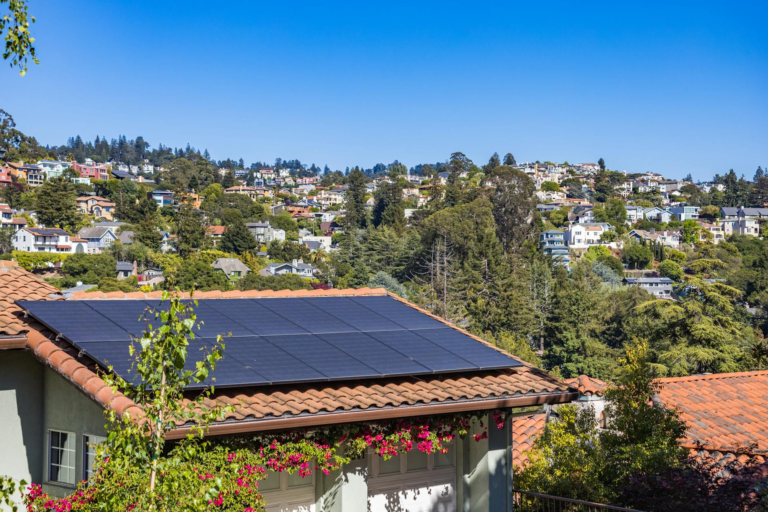
When a family in the Florida Panhandle decides to install a rooftop solar system, the conversation often turns to electricity bills and environmental stewardship. Yet an equally important, though less discussed, outcome is the way solar reshapes household cooling patterns during the scorching summer months. In this article we explore how the presence of solar panels influences the timing, intensity, and overall strategy of air‑conditioning use, a phenomenon we’ll refer to as solar home cooling behaviour. By examining climate data, utility rate structures, and real‑world case studies, we’ll reveal why homeowners who generate their own power tend to adopt cooler‑friendly habits that differ markedly from those without solar. Understanding these shifts can help prospective buyers, installers, and policy makers design smarter, more resilient energy solutions for the region.
Find us here:
Solar Cost Calculator – Florida Panhandle Only
* Estimate based on $3.25 per watt for solar installation.
* For Tesla Powerwall 3 Batteries, $15,000 for the first battery, $12,000 for each additional battery.
* Other variations and types of Batteries are available.
What Is Rooftop Solar?
Rooftop solar, also known as residential photovoltaic (PV) systems, consists of solar panels mounted on a home’s roof that convert sunlight into direct current electricity. An inverter then transforms that electricity into alternating current suitable for household appliances, including air‑conditioners. Modern systems are typically sized between 4 kW and 10 kW, enough to cover a significant portion of a typical Florida home’s electricity demand. When sunlight is abundant—especially between 10 a.m. and 4 p.m.—the system can produce more power than the house consumes, sending the excess back to the grid for credits under net‑metering arrangements. This self‑generation capacity is the foundation upon which solar home cooling behaviour develops.
Why the Florida Panhandle Is a Hotspot for Cooling Demand
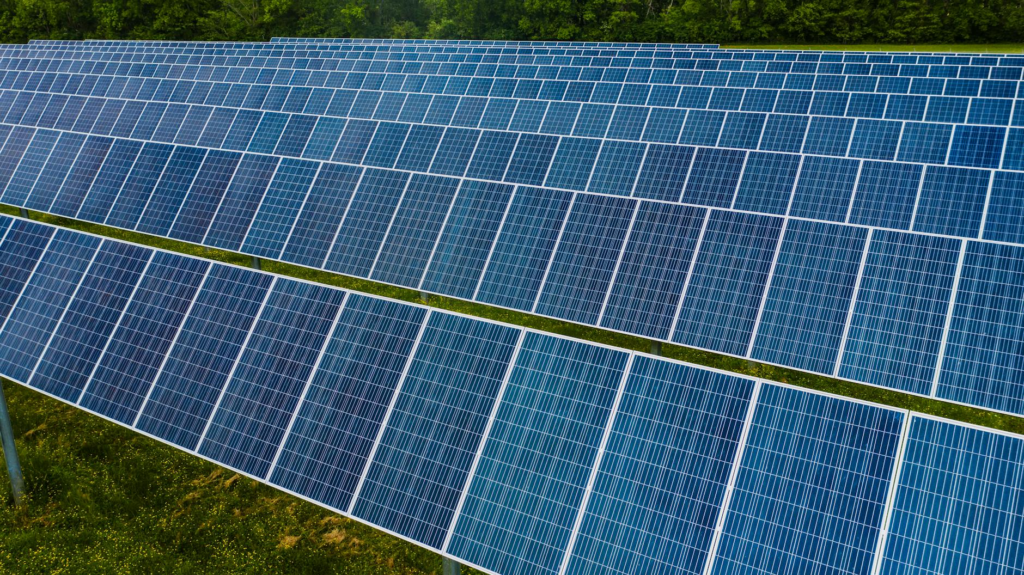
The Panhandle’s humid subtropical climate means summer temperatures regularly climb into the high 80s and low 90s °F, with humidity levels that push the heat index even higher. Air‑conditioning units therefore operate for 8 to 12 hours each day during peak season, accounting for up to 60 % of a household’s total electricity consumption. Moreover, the region’s utility rates often include peak‑demand charges that spike during the hottest afternoon hours. This combination of high cooling loads and costly peak periods creates a strong financial incentive for residents to align their energy use with the output of rooftop solar, directly influencing solar home cooling behaviour.
The Mechanics of Solar Home Cooling Behaviour
Solar home cooling behaviour describes the set of decisions homeowners make about when and how to run their air‑conditioning systems in relation to the electricity generated by their rooftop panels. The core idea is simple: when solar production is high, the marginal cost of running an AC unit drops dramatically, encouraging users to shift cooling loads into those daylight hours. Conversely, during evening or early‑morning periods when solar output wanes, residents may rely on pre‑cooling strategies, thermostat setbacks, or even defer cooling until the next day. Over time, these adjustments become habitual, embedding a new rhythm into daily life that aligns comfort with sustainability.
Energy Production vs. Cooling Load
In a typical 6 kW system, peak generation can reach 4 kW during mid‑day, enough to power a central air‑conditioner running at medium fan speed while still supplying electricity to other appliances. Homeowners who monitor their inverter display often notice this balance and may set their thermostats to a slightly lower temperature during those hours, knowing that the extra kilowatts come at virtually no additional cost. This conscious alignment of cooling demand with solar output is a hallmark of solar home cooling behaviour and can shave 10‑15 % off annual cooling electricity usage.
Time‑of‑Use Shifts and Peak Demand
Many Florida utilities employ time‑of‑use (TOU) pricing, where electricity consumed during peak windows (usually 12 p.m. to 6 p.m.) carries a higher rate. By running air‑conditioning primarily when rooftop solar is producing, homeowners not only reduce their net consumption but also avoid the steepest rate tiers. Some savvy users program smart thermostats to start cooling at 11 a.m., reach the desired indoor temperature by 1 p.m., and then maintain that comfort level through the afternoon, all while the solar system is at its most efficient. This deliberate timing exemplifies how solar home cooling behaviour can translate into tangible cost savings.
Real‑World Data From Panhandle Neighborhoods
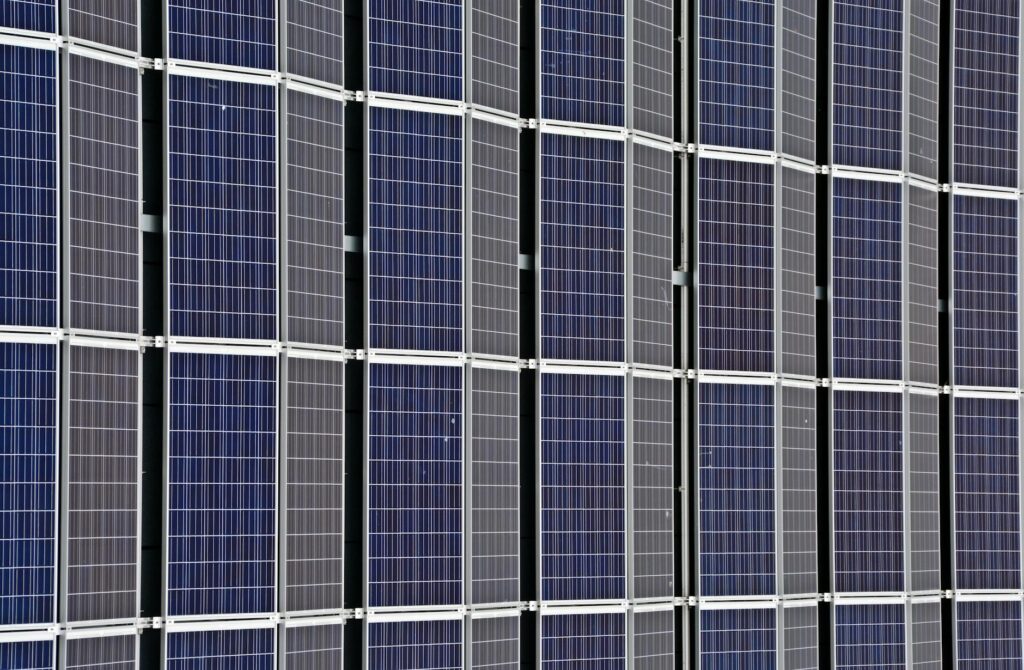
Recent monitoring projects conducted by the Florida Solar Energy Center have captured detailed usage patterns from 150 homes equipped with rooftop PV. The findings show a clear divergence between solar and non‑solar households during July and August, the region’s hottest months. On average, solar‑equipped homes reduced their peak‑hour cooling consumption by 12 %, while overall summer cooling energy use dropped by 9 % compared to similar homes without solar. These shifts were most pronounced in houses that employed programmable thermostats and actively tracked their solar generation in real time, underscoring the behavioral component of the technology.
| Month | Cooling kWh (No Solar) | Cooling kWh (With Solar) |
|---|---|---|
| June | 720 | 618 |
| July | 950 | 822 |
| August | 880 | 756 |
Practical Strategies to Optimize Solar Home Cooling Behaviour
Homeowners looking to harness the full potential of their rooftop solar for cooling can adopt several low‑cost tactics. These strategies reinforce the natural alignment between solar generation peaks and cooling demand, making the most of free sunlight while preserving indoor comfort.
- Install a programmable or smart thermostat that can delay the start of cooling until solar output rises.
- Use ceiling fans in occupied rooms to allow a higher thermostat set point without sacrificing perceived comfort.
- Apply reflective window films or low‑emissivity (low‑e) coatings to reduce solar heat gain, decreasing the overall cooling load.
- Schedule heavy‑load appliances such as laundry or dishwashers for early afternoon, when excess solar power is available.
- Consider a modestly sized battery system to store midday solar excess for evening or night‑time cooling.
Financial Impacts: Savings, Incentives, and Payback Periods
The financial upside of aligning cooling habits with rooftop solar extends beyond lower electricity bills. In the Panhandle, state and local incentives can cover up to 30 % of installation costs, while federal tax credits provide an additional 26 % deduction. When combined with the reduced cooling demand captured by solar home cooling behaviour, many homeowners see a net payback period of 6 to 8 years, well within the typical 25‑year lifespan of a PV system. Moreover, the avoided peak‑demand charges can add another $150 to $300 in annual savings, accelerating the return on investment.
Environmental Ripple Effects
Every kilowatt‑hour of electricity shifted from the grid to rooftop solar reduces the need for fossil‑fuel generation, cutting greenhouse‑gas emissions. By modifying cooling patterns to match solar output, households amplify this benefit. A typical Panhandle home that reduces its summer cooling electricity by 9 % avoids roughly 1,200 kg of CO₂ emissions each year. When multiplied across the thousands of solar‑equipped residences in the region, the collective impact becomes a significant contribution toward Florida’s climate goals.
Common Misconceptions About Solar and Air Conditioning
One persistent myth is that solar panels alone can fully power an air‑conditioner without any grid reliance. While a well‑sized system can meet a large portion of cooling demand during daylight, nighttime operation still requires either grid electricity or a battery backup. Another misconception is that solar will automatically lower indoor temperatures; in reality, the homeowner must adjust thermostat settings and adopt efficient cooling practices to realize the full advantage of solar home cooling behaviour. Understanding these nuances helps set realistic expectations and encourages proactive energy management.
Looking Ahead: Smart Controls and Battery Integration
The next generation of residential energy management promises even tighter integration between solar generation, storage, and cooling loads. Advanced smart thermostats can now predict solar output based on weather forecasts and pre‑cool homes accordingly, while battery systems store excess midday power for evening or night‑time air‑conditioning. As these technologies become more affordable, the distinction between “solar‑powered” and “grid‑powered” cooling will blur, making solar home cooling behaviour an even more powerful lever for cost savings and emissions reductions.
Conclusion
Rooftop solar does more than generate clean electricity; it reshapes how households in the Florida Panhandle approach cooling during the hottest months. By aligning air‑conditioning use with solar production—a practice we call solar home cooling behaviour—homeowners can lower bills, reduce peak‑demand charges, and cut emissions, all while maintaining comfort. As smart controls and storage options evolve, the synergy between solar and cooling will only grow stronger, offering a brighter, cooler future for the region.
