



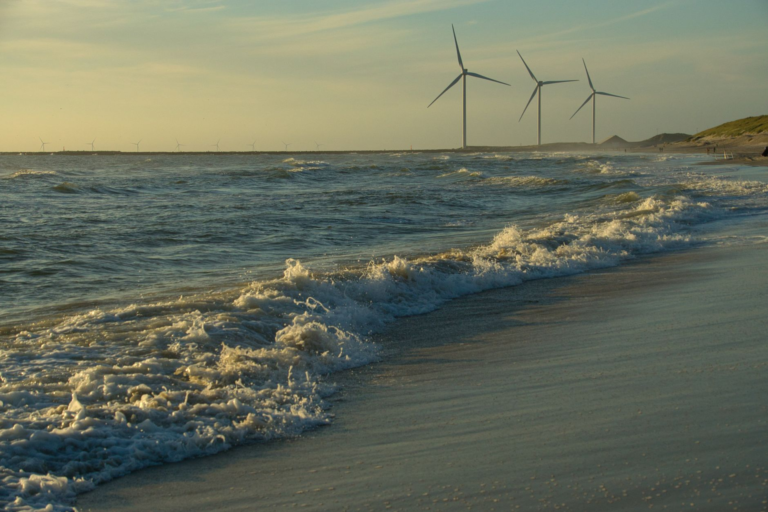
When you choose a place to call home, the scenery and lifestyle are often the first things that catch your eye. Yet, the location you settle in also has a profound effect on the amount you spend on utilities each month. Homeowners in the Florida panhandle experience distinct differences in heating, cooling, and overall energy consumption, especially when comparing the salty breezes of Destin and Navarre Beach with the drier, more temperature‑stable environments of Marianna and Chipley. Understanding these nuances helps you budget more accurately and adopt the right strategies to keep your bills under control.
Find us here:
Solar Cost Calculator – Florida Panhandle Only
* Estimate based on $3.25 per watt for solar installation.
* For Tesla Powerwall 3 Batteries, $15,000 for the first battery, $12,000 for each additional battery.
* Other variations and types of Batteries are available.
Understanding the Factors that Drive Energy Use
Climate and Temperature Extremes
Coastal communities endure a wider range of temperature swings than many inland towns. In the summer, ocean breezes can bring down indoor temperatures by a few degrees, reducing the need for air‑conditioning. However, those same breezes also mean that nights can stay warm, prompting homeowners to run fans or even a small supplemental cooling system well into the evening. In the winter, the sea acts as a temperature buffer, keeping coastal homes slightly warmer than their inland counterparts, but the increased humidity can make interiors feel cooler, leading some residents to turn on heating for comfort.
Humidity and Salt Air
High humidity levels along the Gulf Coast increase the latent heat load on air‑conditioners. Even if the thermostat is set at 78°F, a humid environment can make the indoor air feel much hotter, causing units to run longer and consume more electricity. Salt‑laden air also accelerates corrosion on HVAC components, which can reduce efficiency over time if maintenance is neglected. Inland areas such as Marianna and Chipley experience lower humidity, allowing cooling systems to operate more efficiently and often at lower speeds.
Coastal vs Inland Energy Costs – The Core Differences
The phrase coastal vs inland energy costs captures the essence of what many Florida homeowners notice when comparing their utility bills. In coastal towns like Destin and Navarre Beach, the combination of salty air, higher humidity, and occasional sea‑level breezes creates a unique energy demand profile. While summer cooling can be slightly offset by ocean breezes, the overall system efficiency often drops, leading to higher electricity usage per square foot. Inland locations such as Marianna and Chipley, on the other hand, benefit from drier air and more predictable temperature ranges, which typically translate into lower overall consumption. These differences become especially pronounced during peak summer months when the demand for air‑conditioning spikes.
Case Study – Destin
Typical Home Profile
Most homes in Destin are single‑family residences built between the 1990s and early 2000s, featuring open‑plan layouts, large windows facing the Gulf, and often a screened porch. The average square footage is around 2,200 sq ft, and many owners have installed ceiling fans and programmable thermostats to combat the humid climate.
Energy Bill Breakdown
During a typical July month, a Destin homeowner reports an electricity bill of roughly $260, with the air‑conditioning system accounting for about 70 % of that usage. The remaining costs stem from water heating, refrigeration, and occasional use of dehumidifiers. Because of the salty air, the homeowner performs HVAC maintenance twice a year, adding a modest $120 annual expense that indirectly influences overall energy efficiency.
Case Study – Navarre Beach
Typical Home Profile
Navarre Beach homes are often built on stilts or have elevated foundations to mitigate flood risk. The average home size is slightly smaller—about 1,800 sq ft—but many feature expansive glass doors that open onto decks overlooking the water. These design choices increase solar gain, which can raise cooling loads despite the cooling effect of the sea breeze.
Energy Bill Breakdown
In August, the average electricity bill for a Navarre Beach resident climbs to $240, with cooling representing 68 % of total consumption. Because of the higher solar gain, residents often supplement air‑conditioning with window shades and reflective films, which can shave 5‑10 % off the monthly total when used consistently.
Case Study – Marianna
Typical Home Profile
Marianna, located farther inland, features homes that are generally more insulated and built with tighter construction standards. The average dwelling measures around 2,100 sq ft and often includes an attic space that can be effectively insulated to reduce heat gain during summer and heat loss in winter.
Energy Bill Breakdown
During the peak cooling month of July, a typical Marianna household sees an electricity bill of about $190. The lower humidity means the air‑conditioning system runs more efficiently, accounting for roughly 60 % of the total usage. The remaining energy is split between water heating, lighting, and occasional use of a whole‑house fan.
Case Study – Chipley
Typical Home Profile
Chipley’s homes often sit on larger lots with mature trees providing natural shade. The average home size is about 2,300 sq ft, and many owners have invested in energy‑efficient windows and enhanced attic insulation, further reducing the need for mechanical cooling.
Energy Bill Breakdown
In July, Chipley residents typically pay around $175 for electricity. The combination of shade, lower humidity, and effective insulation means the air‑conditioning unit runs at a lower duty cycle, representing roughly 58 % of the total consumption.
Comparative Overview of Average Monthly Energy Costs
| Location | Average Monthly Electricity Bill (July) | Primary Energy Driver |
|---|---|---|
| Destin | $260 | Air‑conditioning (70 %) |
| Navarre Beach | $240 | Air‑conditioning (68 %) |
| Marianna | $190 | Air‑conditioning (60 %) |
| Chipley | $175 | Air‑conditioning (58 %) |
Strategies to Reduce Costs in Coastal Areas
- Install high‑efficiency, corrosion‑resistant HVAC units designed for salty environments.
- Use reflective window films or low‑E glass to minimize solar heat gain.
- Employ ceiling fans and whole‑house fans to circulate air and allow the thermostat to be set a few degrees higher.
- Schedule bi‑annual HVAC maintenance to keep coils clean and prevent salt buildup.
- Consider adding a programmable thermostat that can adjust cooling setpoints based on humidity levels.
Strategies for Inland Homeowners
Inland residents can still benefit from a few targeted actions. Adding attic insulation or sealing gaps around doors and windows can further reduce the cooling load. Because humidity is lower, using a dehumidifier is often unnecessary, but a simple ceiling fan can still improve comfort and allow you to raise the thermostat by 2‑3 °F without sacrificing indoor comfort.
Overall, the comparison of coastal vs inland energy costs shows that while coastal living offers beautiful views and a relaxed lifestyle, it also brings higher utility expenses due to humidity, salt air, and temperature variability. By understanding the specific drivers of energy use in each location and applying targeted efficiency measures, homeowners in Destin, Navarre Beach, Marianna, and Chipley can make smarter budgeting decisions and enjoy their chosen setting without surprise bill spikes.
In conclusion, the location of your home plays a pivotal role in shaping your energy bills. Coastal residents should focus on corrosion‑resistant equipment and humidity‑mitigating strategies, while inland homeowners can capitalize on drier air and better insulation to keep costs low. By tailoring your approach to the unique challenges of your region, you’ll achieve a more comfortable home and a healthier wallet.
