

When Florida homeowners in Pensacola and Panama City start thinking about solar, a flood of questions and doubts surface almost instantly. Most of these concerns are rooted in common myths that have been circulating for years, often amplified by outdated information or misinterpreted data. In this article we’ll dive deep into the most frequent solar misconceptions we hear from Florida homeowners, explain why they’re inaccurate, and provide clear, fact‑based answers that can help you make an informed decision about going solar.
Find us here:
Solar Cost Calculator – Florida Panhandle Only
* Estimate based on $3.25 per watt for solar installation.
* For Tesla Powerwall 3 Batteries, $15,000 for the first battery, $12,000 for each additional battery.
* Other variations and types of Batteries are available.
Misconception #1: “Solar Panels Won’t Work in a Hot, Humid Climate”
One of the most persistent solar misconceptions is that the intense heat and humidity of Florida actually reduce a solar system’s efficiency. In reality, solar panels generate electricity from sunlight, not temperature. While extremely high temperatures can cause a slight drop in panel efficiency, modern photovoltaic (PV) technology is designed to handle the range of temperatures found in the Sunshine State. In fact, the abundant sunshine in Florida means you’ll often see higher overall energy production compared to cooler, cloudier regions. Proper system design, including adequate ventilation and the use of high‑temperature‑rated panels, ensures optimal performance year‑round.
Misconception #2: “I’ll Never See a Payback on My Investment”
Financial concerns are at the heart of many solar misconceptions. Homeowners worry that the upfront cost will never be recovered, especially with fluctuating electricity rates. However, the combination of federal tax credits, state incentives, and the natural decline of solar equipment costs has dramatically shortened payback periods in recent years. In many parts of Florida, owners see a return on investment (ROI) within 5 to 7 years, after which the electricity generated is essentially free. The key is to work with a reputable installer who can accurately model your home’s solar potential and provide a transparent financial analysis.
Misconception #3: “My Roof Isn’t Suitable for Solar Panels”
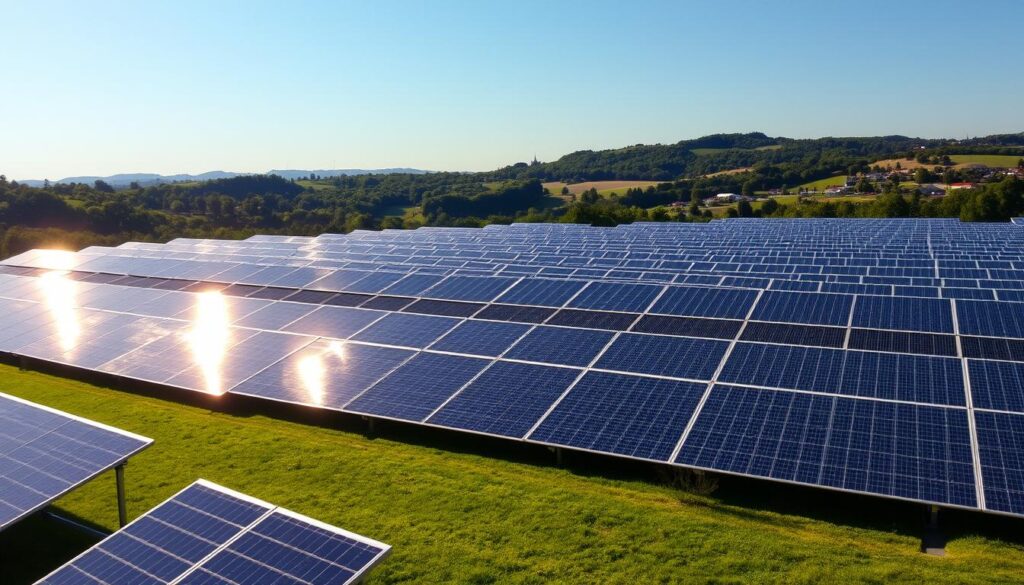
Another common solar misconception is that older or shaded roofs are automatically disqualified from hosting a solar array. While it’s true that certain roof conditions can affect installation, most roofs—whether shingle, tile, or metal—can accommodate solar panels with the right mounting system. Even homes with partial shade can benefit from strategic panel placement or the use of micro‑inverters and power optimizers that mitigate shading losses. In many cases, a professional roof assessment can identify simple solutions, such as adding a few structural supports or adjusting the tilt angle, to make solar feasible.
Misconception #4: “Solar Means No Power During Outages”
Many homeowners assume that a solar system will leave them completely powerless during a grid outage. While traditional grid‑tied solar systems do shut down automatically for safety reasons, the solar misconceptions surrounding this issue often overlook the growing availability of battery storage solutions. Adding a battery like the Tesla Powerwall or LG Chem RESU can provide backup power for essential loads, keeping lights, refrigeration, and communication devices running when the grid goes down. Even without a battery, certain solar contracts now offer “grid‑support” options that allow limited power during outages.
Misconception #5: “Solar Panels Require a Lot of Maintenance”
Maintenance worries fuel another solar misconception: that panels need constant cleaning, repairs, or costly part replacements. In truth, solar panels are built to be low‑maintenance. Their glass surfaces are designed to withstand rain, wind, and even occasional hail. In Florida’s rainy climate, natural rainfall often cleans the panels sufficiently. The most common maintenance task is a periodic visual inspection to ensure no debris or bird nests are obstructing the array. Inverters may need replacement after 10‑15 years, but most warranties cover these components, keeping long‑term upkeep costs minimal.
Misconception #6: “Solar Increases My Home’s Insurance Premiums Dramatically”
Homeowners sometimes fear that installing a solar system will cause insurance premiums to skyrocket. While adding any improvement to a home does require updating your policy, the increase is typically modest. Most insurers treat solar panels as a “personal property” addition, and the cost is often offset by the reduction in fire risk thanks to the panels’ fire‑rated construction. Additionally, many solar installers include insurance coverage during the installation phase, ensuring any accidental damage is covered without affecting your personal policy.
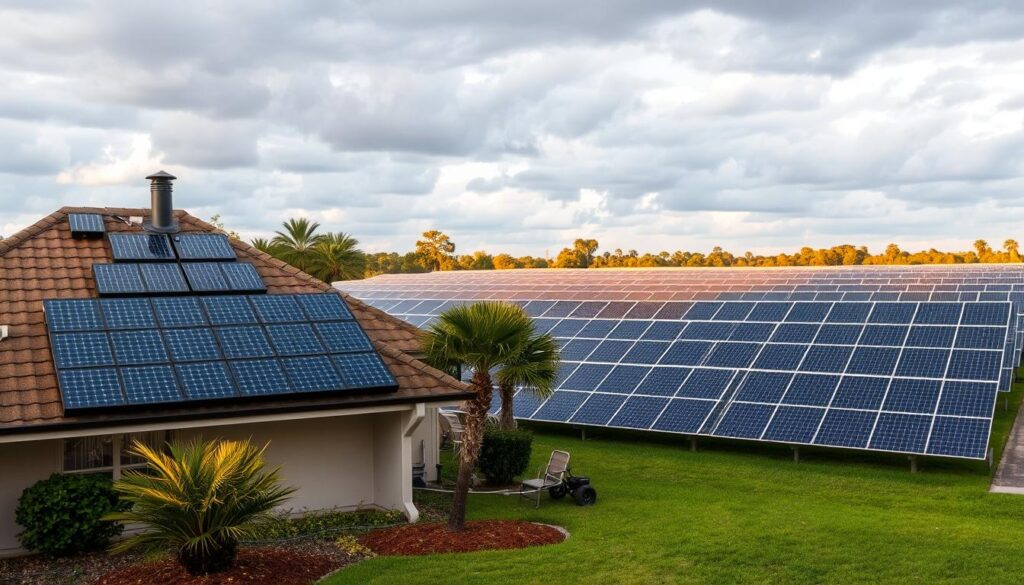
Florida‑Specific Solar Incentives You Should Know
Florida offers several incentives that directly address the solar misconceptions related to cost and ROI. The state’s net‑metering policy allows homeowners to receive credit for excess electricity sent back to the grid, effectively lowering monthly bills. Moreover, local utilities in Pensacola and Panama City sometimes provide additional rebates for residential solar installations. When combined with the federal Investment Tax Credit (ITC), these programs make the overall cost of solar far more affordable than many homeowners initially believe.
Key Factors That Influence Solar Success in Florida
- Orientation and tilt of the roof – South‑facing roofs capture the most sunlight.
- Shading from trees or nearby structures – Even partial shading can be mitigated with micro‑inverters.
- Quality of the solar installer – Certified installers provide accurate system design and warranties.
- Financing options – Loans, leases, and power purchase agreements (PPAs) each affect the payback timeline.
Myth vs. Fact: Quick Reference Table
| Myth (Solar Misconception) | Fact (Reality) |
|---|---|
| Solar doesn’t work well in hot, humid climates. | Florida’s abundant sunshine yields high energy production; modern panels are designed for high temperatures. |
| Payback periods are too long. | With incentives and lower equipment costs, many homeowners see ROI in 5‑7 years. |
| My roof can’t support solar. | Most roof types can accommodate panels with proper mounting solutions. |
| Solar leaves you powerless during outages. | Battery storage or backup options can provide power when the grid is down. |
| Solar requires heavy maintenance. | Panels are low‑maintenance; rain often cleans them, and warranties cover major components. |
| Insurance premiums will soar. | Premium increases are modest and often offset by safety benefits. |
How to Overcome Solar Misconceptions and Move Forward
Addressing solar misconceptions begins with education. Start by consulting a certified solar installer who can perform a site‑specific analysis, including a shade study and energy usage review. Ask for a detailed proposal that outlines expected production, cost breakdown, and financing options. Review the warranty terms for both panels and inverters, and verify that the installer holds appropriate insurance. Finally, compare the projected savings against your current electricity bill to see the real impact of solar on your household budget.
Real‑World Success Stories from Pensacola and Panama City
Homeowners who have taken the plunge often share how the initial solar misconceptions vanished once they saw their first bill after installation. In Pensacola, a family of four reported a 78 % reduction in their electric bill within the first year, thanks to a 7.5 kW system paired with a modest battery. In Panama City, a retiree who was initially skeptical about roof suitability installed a 5 kW array on a tiled roof and discovered that the panels actually protected the roof from harsh UV exposure, extending its lifespan.
Frequently Asked Questions About Solar in Florida
- Do I need a permit to install solar? Yes, most counties require a building permit and an electrical permit, which your installer will typically handle.
- Can I sell excess solar energy back to the grid? Through net‑metering, you receive credits for excess production, effectively lowering your bill.
- What happens if I move before the system pays for itself? Solar systems increase home value, and many buyers are eager to inherit a ready‑to‑go solar setup.
- Is financing a solar loan better than buying outright? It depends on your cash flow; loans can spread costs while preserving tax credits, whereas outright purchase maximizes long‑term savings.
By confronting these solar misconceptions head‑on, Florida homeowners can unlock the full benefits of clean, renewable energy. The combination of abundant sunshine, favorable incentives, and proven technology makes solar a compelling choice for anyone looking to reduce electricity costs and increase property value.
Ready to separate fact from fiction? Reach out to a local, certified solar professional today and start the journey toward a brighter, more sustainable future for your Florida home.
Conclusion: The solar misconceptions we encounter in Pensacola and Panama City often stem from outdated information or a lack of local context. By understanding the true capabilities of modern solar technology, the financial incentives available, and the practical steps to address common concerns, homeowners can make confident decisions that lead to significant savings and environmental benefits. Let the facts guide you, and let solar power work for you.
