




Why Thinking About the Future Matters in the Florida Panhandle
The Florida Panhandle is known for its beautiful beaches, mild winters, and a climate that can swing from humid subtropical to hurricane‑prone extremes. Homeowners in this region are increasingly aware that the days of building a house and never revisiting its design are over. Climate‑related events, rising energy costs, and evolving building codes are pushing families to consider how they can future proof your home against both predictable and unexpected challenges. By taking proactive steps now, you protect your investment, reduce long‑term expenses, and create a healthier, safer living environment for your family.
Find us here:
Solar Cost Calculator – Florida Panhandle Only
* Estimate based on $3.25 per watt for solar installation.
* For Tesla Powerwall 3 Batteries, $15,000 for the first battery, $12,000 for each additional battery.
* Other variations and types of Batteries are available.
Assessing Local Risks Before You Begin
Before you can future proof your home, you need a clear picture of the specific risks that affect the Panhandle. These include:
- Hurricane wind speeds and storm surge potential
- Salt‑air corrosion on exterior materials
- Extreme heat and humidity that strain HVAC systems
- Rising water tables that can lead to foundation issues
- Increasing electricity rates driven by statewide energy policies
Start by consulting your local building department, reviewing FEMA flood maps, and possibly hiring a certified home inspector who specializes in coastal properties. This baseline assessment will guide every subsequent improvement you make.
Energy Efficiency: The Cornerstone of a Future‑Ready Home
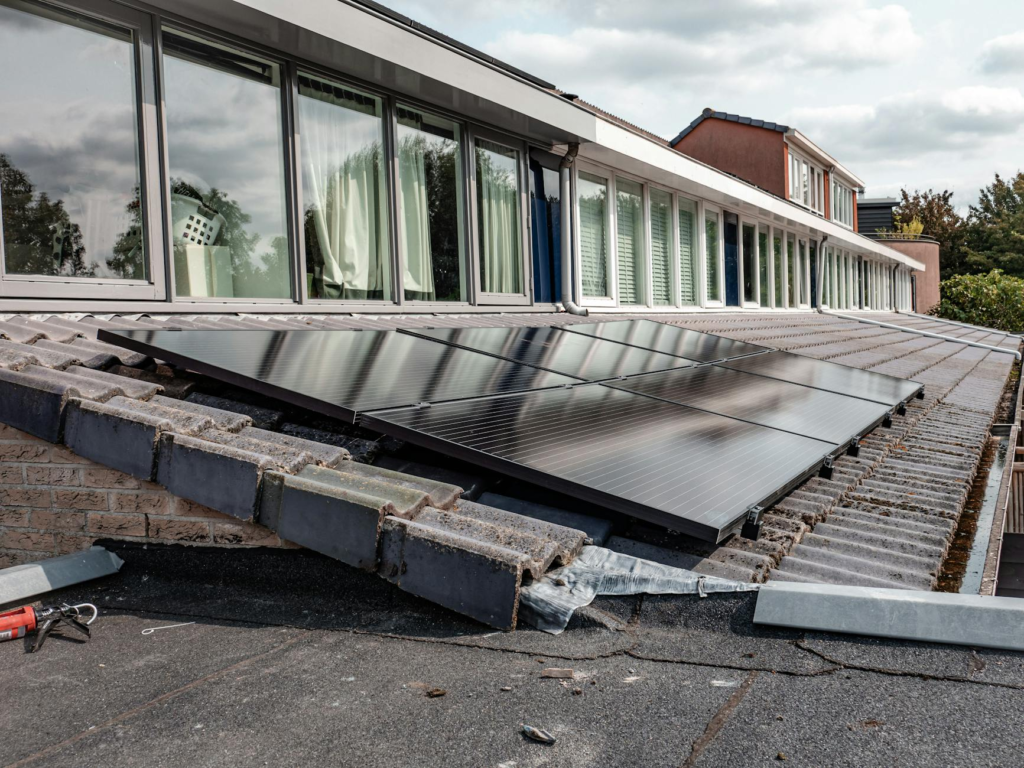
Energy consumption is one of the biggest ongoing costs for families in the Panhandle. By upgrading insulation, windows, and appliances, you can future proof your home against rising utility bills and reduce your carbon footprint.
Insulation and Air Sealing
Closed‑cell spray foam, blown‑in cellulose, and rigid foam board each offer distinct advantages in a humid, windy climate. Focus on attic spaces, crawl spaces, and any exterior walls that receive direct sunlight. Proper air sealing around doors, windows, and utility penetrations prevents heat loss in winter and keeps cool air inside during summer.
High‑Performance Windows
Double‑pane windows with Low‑E coatings and argon gas fill are essential for a home that wants to future proof your home against heat gain and UV damage. Consider impact‑resistant glass that meets Florida’s hurricane standards; it provides both energy savings and added protection during storms.
Smart Thermostats and Energy Management
Integrating a Wi‑Fi enabled thermostat lets you monitor and adjust heating and cooling remotely, optimizing comfort while cutting waste. Pair the thermostat with whole‑home energy monitoring devices to track usage patterns and identify further savings opportunities.
Water Management: Guarding Against Floods and Moisture
Heavy rain events and occasional storm surge can quickly overwhelm a home that lacks proper drainage. Implementing a comprehensive water‑management plan is a vital component of any strategy to future proof your home.
- Install a French drain or perimeter trench drainage system to redirect water away from the foundation.
- Raise electrical panels, outlets, and HVAC units above the base flood elevation (BFE) recommended by local authorities.
- Use flood‑resistant doors and sealants on basement or crawl‑space walls.
- Consider a backup generator or battery storage system to keep critical systems running during power outages.
Regularly clean gutters and downspouts, and ensure that downspout extensions discharge at least three feet away from the house to prevent pooling.
Smart Home Technologies That Strengthen Resilience
Technology isn’t just about convenience; it can dramatically improve a home’s ability to cope with emergencies. By integrating the following devices, you add layers of protection that help future proof your home in real time.
- Leak detection sensors placed near water heaters, washing machines, and under sinks.
- Whole‑house smoke and carbon monoxide detectors that connect to your smartphone.
- Automated window and door locks that can be engaged remotely during a storm.
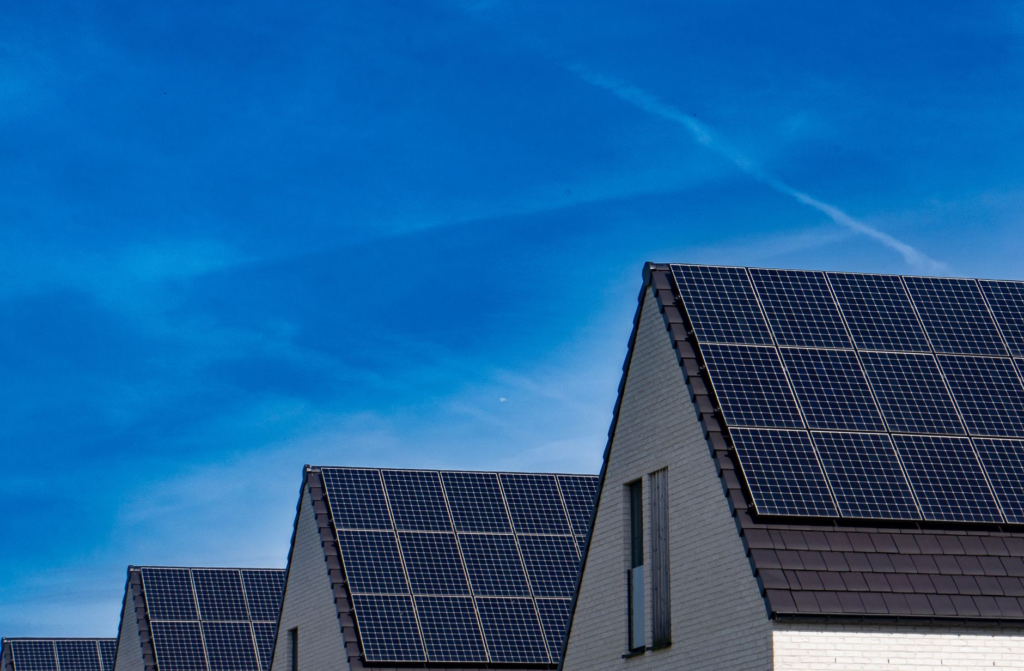
- Solar panel arrays paired with a home battery system to maintain power when the grid fails.
Many of these devices integrate with popular voice assistants, allowing you to receive alerts even when you’re away from home.
Choosing Resilient Building Materials
Materials that can withstand salt air, high humidity, and wind pressure are essential for a Panhandle residence. When you future proof your home, think about upgrading the following components:
- Fiber‑cement siding instead of traditional wood lap siding to resist rot and impact.
- Metal roofing with a high wind‑rating (Class 4) and a protective coating that reflects UV rays.
- Concrete or pressure‑treated masonry for foundations and retaining walls.
- Stainless‑steel or coated fasteners that won’t corrode in salty environments.
These upgrades often qualify for state or local rebates, especially when they align with energy‑efficiency goals.
Financial Incentives and Funding Options
The cost of retrofitting a home can be significant, but the Florida Department of Economic Opportunity, local utility companies, and the federal government provide a range of incentives. Common programs include:
- Florida Solar Energy System Incentive (FSESI) – rebates for solar panel installation.
- Home Energy Retrofit Program (HERP) – low‑interest loans for insulation, windows, and HVAC upgrades.
- Hurricane Mitigation Grant – funding for impact‑resistant doors, shutters, and roofing.
- Tax credits for energy‑efficient appliances and smart thermostats.
Before you start any project, verify eligibility, application deadlines, and required documentation. Combining several programs can offset a large portion of the upfront costs.
Creating a Maintenance Schedule to Keep Your Home Ready
Even the best upgrades lose effectiveness without regular upkeep. A simple, repeatable maintenance calendar ensures that the protective measures you’ve installed continue to work as intended, keeping your home future‑proofed year after year.
- Quarterly: Test backup generator, inspect battery storage, and run leak sensor diagnostics.
- Bi‑annual: Clean roof and gutters, reseal exterior windows, and service HVAC units.
- Annual: Review insurance coverage, update flood‑zone data, and evaluate energy usage reports.
Document each task in a home‑maintenance journal or digital app so you can track progress and identify trends over time.
Quick Reference: Action Items vs. Benefits
| Action Item | Primary Benefit |
|---|---|
| Install impact‑resistant windows | Reduced wind damage and lower cooling costs |
| Upgrade to spray‑foam insulation | Improved thermal envelope and moisture control |
| Add a solar + battery system | Energy independence during outages |
| Implement perimeter drainage | Protection against foundation flooding |
| Integrate smart leak sensors | Early detection of water intrusion |
This table serves as a concise checklist for families looking to future proof your home. Prioritize items based on budget, risk level, and personal comfort.
Putting It All Together: A Step‑by‑Step Roadmap
1. Risk Assessment: Gather data on flood zones, wind speeds, and local building codes.
2. Budget Planning: Research incentives, estimate costs, and set a realistic timeline.
3. Energy Upgrades: Start with insulation and windows, then add smart thermostats.
4. Water Management: Install drainage solutions and raise critical equipment.
5. Resilient Materials: Replace siding and roofing with hurricane‑rated options.
6. Smart Tech Integration: Deploy sensors, backup power, and remote monitoring.
7. Maintenance Schedule: Establish quarterly, bi‑annual, and annual tasks.
8. Review & Adjust: Annually reassess risk factors and technology advancements.
Following this roadmap helps you methodically future proof your home without feeling overwhelmed. Each phase builds on the previous one, creating a layered defense against the evolving challenges of the Florida Panhandle.
Conclusion
Future‑proofing a home in the Florida Panhandle is not a single project but a continuous commitment to resilience, efficiency, and smart planning. By assessing local risks, investing in energy‑saving upgrades, managing water wisely, embracing technology, and staying on top of maintenance, families can protect their most valuable asset while enjoying lower costs and greater peace of mind. Start with a clear plan, take advantage of available incentives, and remember that every improvement you make today adds strength to your home for the years ahead.
