



Understanding the Rise of AI in Solar System Design
The solar industry has always been driven by innovation, from the earliest silicon cells to today’s high‑efficiency modules. In recent years, a new force has entered the arena: artificial intelligence. When combined with the vast data sets generated by weather stations, satellite imagery, and performance monitoring tools, AI can transform the way solar projects are conceived, engineered, and installed. This shift is especially evident in the Florida Panhandle, where installers are leveraging ai solar system design to squeeze more power out of limited roof space and to adapt quickly to changing regulations. By automating complex calculations that once required weeks of manual engineering, AI not only shortens project timelines but also improves the accuracy of energy yield forecasts, ultimately delivering better returns for developers and homeowners alike.
Find us here:
Solar Cost Calculator – Florida Panhandle Only
* Estimate based on $3.25 per watt for solar installation.
* For Tesla Powerwall 3 Batteries, $15,000 for the first battery, $12,000 for each additional battery.
* Other variations and types of Batteries are available.
The Core Technologies Behind AI Solar System Design
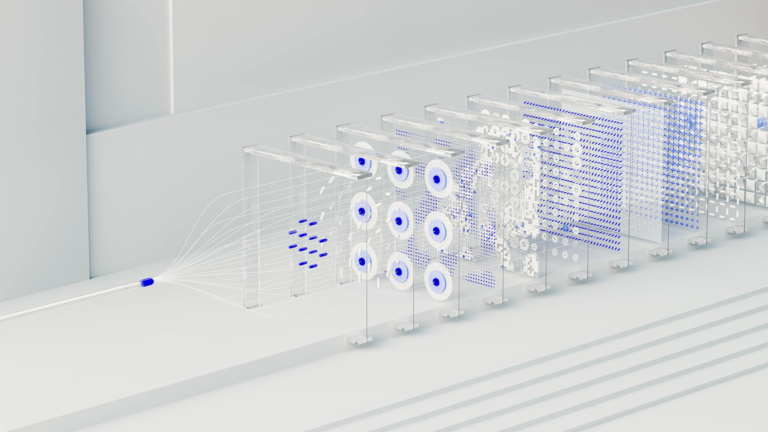
At the heart of modern ai solar system design are three interlocking technologies: machine learning algorithms, computer vision, and cloud‑based optimization platforms. Machine learning models are trained on historic performance data from thousands of installations, allowing them to predict how a new array will behave under varying irradiance, temperature, and shading conditions. Computer vision, meanwhile, processes aerial or drone imagery to identify obstacles such as trees, chimneys, or HVAC units that could cast shadows on panels. Finally, cloud‑based platforms bring together these insights, running massive simulations in real time to propose the most efficient layout, inverter sizing, and wiring scheme. The result is a design workflow that can evaluate millions of possible configurations in minutes, something that would have taken engineers days or even weeks using traditional spreadsheet methods.
Key Machine‑Learning Techniques Used in Solar Layout Optimization
- Gradient‑boosted decision trees for predicting module temperature and degradation rates.
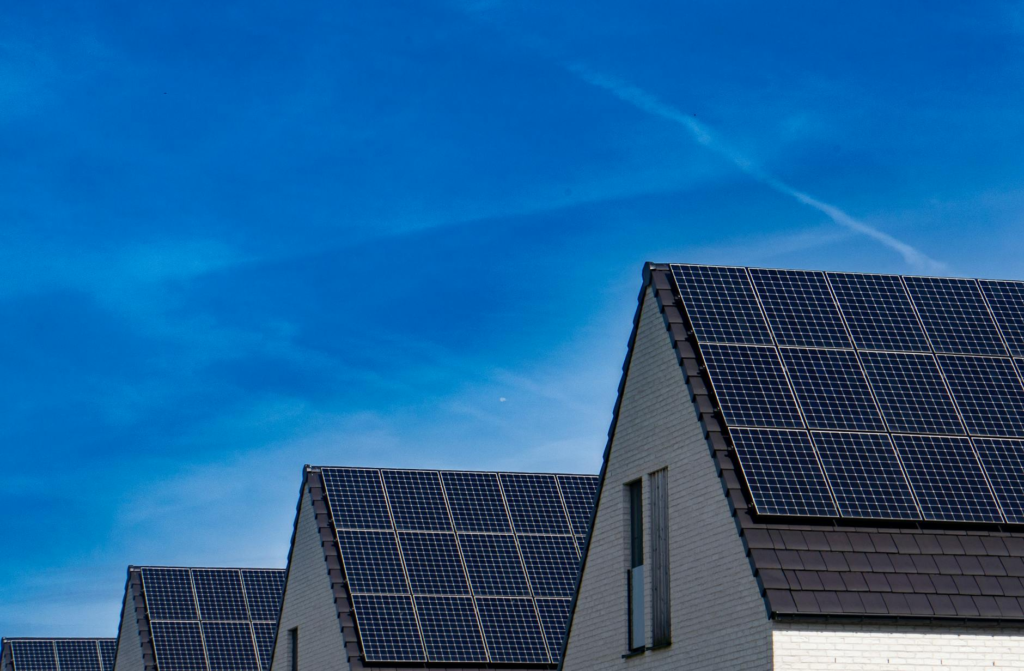
- Convolutional neural networks (CNNs) that interpret high‑resolution aerial photos to map shading patterns.
- Reinforcement learning agents that iteratively improve panel placement by rewarding higher energy yield and lower balance‑of‑system costs.
- Gaussian process regression for quantifying uncertainty in weather forecasts and its impact on expected output.
How AI Improves Energy Yield and Cost Efficiency
One of the most compelling advantages of ai solar system design is its ability to maximize energy production while keeping material costs low. Traditional design methods often rely on rule‑of‑thumb spacing and generic tilt angles, which can leave up to 10 % of potential output on the table. AI‑driven tools, however, calculate the exact tilt, azimuth, and inter‑panel spacing that best matches the site’s micro‑climate. They also factor in the electrical characteristics of each string, ensuring that voltage and current limits are respected without over‑specifying inverters or wiring. By reducing mismatches and shading losses, these platforms can boost annual energy yield by 5–12 %, a margin that translates directly into higher return on investment for both commercial developers and residential customers.
Optimizing Panel Placement for Complex Roof Geometries
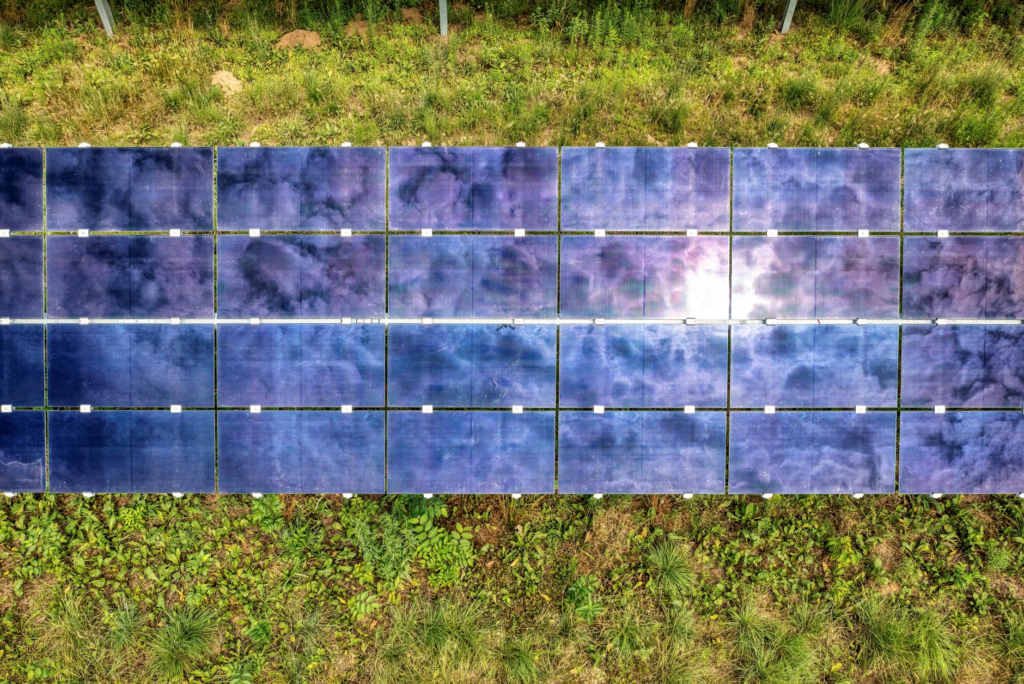
In the Florida Panhandle, many installations occur on sloped, multi‑pitch roofs with numerous obstructions. AI excels in these environments because it can model three‑dimensional roof geometry down to the centimeter. By ingesting LiDAR scans or photogrammetric models, the algorithm evaluates every feasible panel orientation, automatically eliminating layouts that would cause shading or violate building codes. The system then ranks the remaining options based on projected energy output, installation labor, and material waste. Installers who adopt this approach report a 20 % reduction in on‑site re‑work, because the design already accounts for structural constraints and mounting hardware requirements.
Real‑World Impact: Florida Panhandle Case Study
A recent pilot project in Tallahassee illustrated how ai solar system design can reshape the economics of a midsize commercial roof. The building featured a 12,000 sq ft roof with varying slopes, several skylights, and a mix of metal and shingle sections. Using a cloud‑based AI platform, engineers uploaded a drone‑captured orthomosaic and historical weather data. Within 30 minutes, the system generated three design alternatives, each with a detailed bill of materials and projected annual energy production. The chosen layout increased expected output by 9 % compared with the manually drafted plan, while cutting total hardware costs by 7 % through smarter inverter selection and reduced cable length.
| Metric | Traditional Design | AI‑Optimized Design |
|---|---|---|
| Estimated Annual Energy (kWh) | 1,240,000 | 1,355,000 |
| Total Hardware Cost (USD) | $1,450,000 | $1,350,000 |
| Design Time (hours) | 48 | 0.5 |
Challenges and the Road Ahead for AI Solar System Design
Despite its promise, ai solar system design faces several hurdles before it becomes universal. Data quality remains a primary concern; the algorithms are only as good as the weather, shading, and performance data they ingest. In regions where historical irradiance records are sparse or where micro‑climates shift rapidly, predictions can drift. Additionally, many installers are accustomed to legacy CAD tools and may be hesitant to trust a black‑box AI system without clear validation. Regulatory frameworks also lag behind technology, sometimes requiring manual calculations for compliance, which can negate some of the time savings offered by AI. Overcoming these obstacles will require industry‑wide standards for data sharing, transparent model explainability, and close collaboration between software vendors and local permitting authorities.
Ensuring Data Integrity and Model Transparency
To address data concerns, developers are building open repositories of irradiance and temperature measurements, often sourced from public weather stations and satellite products. Coupled with on‑site sensors, these datasets enable continuous model retraining, ensuring that the AI stays calibrated to real‑world conditions. Transparency tools, such as feature importance visualizations, are also emerging, allowing engineers to see why a particular panel tilt was recommended. When users can trace the decision‑making path, confidence in the AI solution grows, and the technology moves from a novelty to a trusted design partner.
Practical Steps for Installers Ready to Embrace AI Solar System Design
For solar contractors who want to start leveraging AI without overhauling their entire workflow, a phased approach works best. Begin by selecting a reputable AI platform that integrates with the CAD software already in use. Next, invest in high‑quality site data collection—drones, LiDAR, or even simple roof‑scan apps can provide the geometric inputs the AI needs. Then, run a pilot on a modest‑size project to compare AI‑generated layouts against traditional ones, focusing on key performance indicators like projected energy yield, material cost, and installation time. Use the results to refine data inputs and to build internal expertise. Finally, scale the practice across larger portfolios, continuously feeding back performance data to improve the AI models over time.
- Choose an AI tool that offers a free trial or sandbox environment.
- Gather accurate roof geometry using drone or photogrammetry.
- Integrate local weather data and shading analysis.
- Run side‑by‑side comparisons with existing design methods.
- Document outcomes and iterate on data quality.
- Train the installation crew on interpreting AI recommendations.
By following this roadmap, installers can experience the benefits of ai solar system design—higher yields, lower costs, and faster project delivery—while mitigating risk. The technology is not a replacement for human expertise; rather, it acts as a powerful assistant that handles repetitive calculations and uncovers design opportunities that might be missed by the naked eye.
In summary, AI is reshaping solar system design by delivering data‑driven optimization, accelerating project timelines, and unlocking higher performance in challenging environments like the Florida Panhandle. As data sources become richer and regulatory bodies adapt, the synergy between human engineers and intelligent software will only deepen, paving the way for a more sustainable and cost‑effective solar future.
