



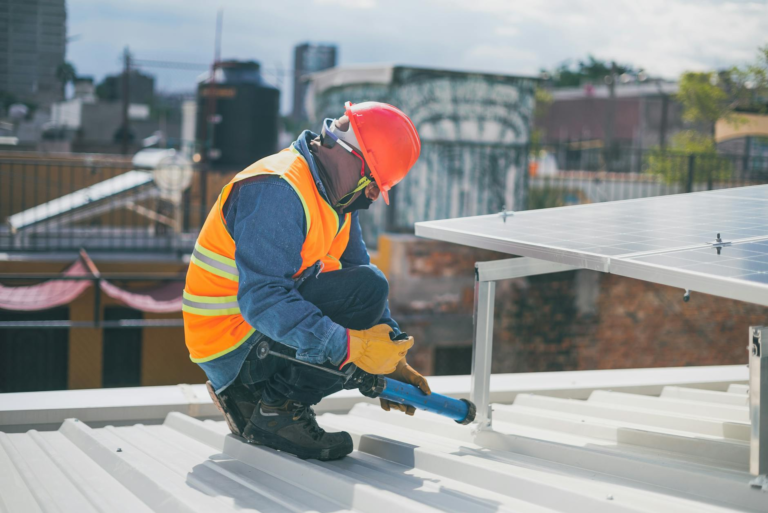
Understanding the Scope of Annual Solar Maintenance
When Florida Panhandle homeowners invest in a rooftop solar system, they often picture a set‑and‑forget source of clean energy. In reality, the longevity and efficiency of those panels depend heavily on consistent, thorough care. This is where annual solar maintenance tasks become essential. Unlike the occasional cleaning you might perform after a hurricane, a comprehensive maintenance routine checks electrical connections, structural integrity, and performance metrics to catch issues before they affect your power bill. By committing to a yearly schedule, you protect your investment, maximize return on investment (ROI), and ensure compliance with local utility requirements. In the humid, salty air of the Gulf Coast, panels can suffer from corrosion, so a proactive approach is not just advisable—it’s necessary.
Find us here:
Solar Cost Calculator – Florida Panhandle Only
* Estimate based on $3.25 per watt for solar installation.
* For Tesla Powerwall 3 Batteries, $15,000 for the first battery, $12,000 for each additional battery.
* Other variations and types of Batteries are available.
Why Annual Maintenance Beats Reactive Repairs
Many homeowners wait until a noticeable drop in output or a visible defect appears before calling a technician. This reactive mindset often leads to higher repair costs and extended downtime. In contrast, a systematic set of annual solar maintenance tasks can identify micro‑cracks, loose wiring, and inverter wear before they evolve into major failures. Early detection also means that warranty claims are more likely to be honored, as most manufacturers require proof of regular upkeep. Moreover, scheduled maintenance aligns with the seasonal weather patterns of the Panhandle: a spring inspection can address storm debris, while a fall check prepares the system for the cooler, drier months when efficiency peaks.
Core Components Checked During Annual Solar Maintenance
Photovoltaic (PV) Modules
The panels themselves are the heart of the system. Technicians examine each module for surface soiling, salt deposits, and micro‑fractures. A gentle cleaning with deionized water removes stubborn grime without scratching the glass. In coastal areas, a thin layer of salt can accelerate corrosion of the frame, so a thorough rinse is crucial. Additionally, infrared thermography may be employed to spot hot spots that indicate internal cell damage—a subtle issue that can be missed during a visual inspection.
Mounting and Racking Systems
Supporting structures must remain secure despite high winds and occasional hail. Inspectors verify that all bolts, brackets, and fasteners are tightened to manufacturer specifications. They also look for signs of rust, especially on aluminum or steel components exposed to salty breezes. If any corrosion is detected, they apply appropriate sealants or replace compromised parts to prevent future failures.
Inverter and Electrical Connections
The inverter converts DC electricity from the panels into usable AC power for your home. Over time, heat can degrade its internal components, and moisture can infiltrate junction boxes. During the annual maintenance visit, technicians test inverter efficiency, verify that firmware is up‑to‑date, and inspect all conduit and wiring for wear or loose connections. They also check the system’s grounding to ensure safety during lightning storms, a common occurrence in the Panhandle.
Step‑by‑Step Guide to Performing Annual Solar Maintenance Tasks
- Schedule a professional inspection early in the year, ideally before the summer peak.
- Visually inspect each panel for debris, discoloration, or physical damage.
- Clean panels using a soft brush and deionized water; avoid abrasive chemicals.
- Check mounting hardware for tightness and signs of corrosion.
- Test inverter performance and update firmware if needed.
- Inspect all electrical connections, conduit, and grounding systems.
- Record system output data and compare it to the previous year’s performance.
- Address any warranty requirements and document all maintenance activities.
Following this checklist ensures that you cover every critical aspect of the system. It also creates a documented maintenance log, which can be valuable when selling your home or filing insurance claims. Remember, the key to successful annual solar maintenance tasks is consistency; even a small oversight can lead to larger inefficiencies down the line.
Typical Maintenance Timeline for Florida Panhandle Homes
| Month | Task |
|---|---|
| January | Review system performance data from the previous year; schedule inspection. |
| February | Professional visual inspection and electrical safety check. |
| March | Panel cleaning and mounting hardware tightening. |
| April | Inverter firmware update and efficiency testing. |
| May | Final pre‑summer performance verification. |
| June‑August | Monitor output; address any unexpected drops immediately. |
| September | Post‑summer inspection; clean any pollen or storm debris. |
| October | Check grounding and prepare for winter weather. |
| November | Document annual maintenance activities; file warranty paperwork. |
| December | Plan for next year’s maintenance schedule. |
This timeline aligns with the seasonal weather patterns typical of the Gulf Coast, ensuring that panels are clean before the intense summer sun and that structural components are secured before the occasional winter storms.
Cost Considerations and Return on Investment
The expense of annual solar maintenance varies based on system size, roof complexity, and the service provider’s rates. Homeowners can expect a typical inspection and cleaning to cost between $150 and $300. Inverter checks and firmware updates may add another $100 to $200 if specialized diagnostics are required. While these numbers might seem like an added burden, they are modest compared to the potential loss of 5%–15% in system efficiency caused by neglect. Over a 25‑year lifespan, proper maintenance can translate into thousands of dollars saved on electricity bills, making the yearly investment quickly pay for itself.
Do‑It‑Yourself vs. Professional Services
Some homeowners feel confident handling basic cleaning and visual checks on their own. While DIY efforts can address surface soiling, many of the critical annual solar maintenance tasks—such as inverter firmware updates, electrical safety testing, and structural inspections—require specialized tools and certifications. Attempting these without proper training can void warranties or create safety hazards. A hybrid approach works well: perform light cleaning yourself, but schedule a licensed solar contractor for the comprehensive yearly inspection. This ensures compliance with local codes and preserves the system’s warranty coverage.
Impact of Climate on Maintenance Frequency
The Florida Panhandle’s climate presents unique challenges. High humidity accelerates corrosion, while frequent thunderstorms increase the risk of lightning‑induced damage. Salt spray from the Gulf can settle on panels, leading to a thin, conductive film that reduces output. Consequently, some experts recommend a semi‑annual cleaning schedule in addition to the core annual maintenance tasks. Homeowners who notice a sudden drop in performance during the summer months should consider an extra cleaning session, especially after a major storm.
Ensuring Compliance with Local Regulations and Incentives
Florida offers several incentives for solar adopters, including tax credits and utility rebates. However, many of these programs require proof of regular maintenance to remain eligible. By keeping detailed records of each year’s annual solar maintenance tasks, homeowners can demonstrate adherence to manufacturer guidelines and local codes. This documentation not only safeguards incentive eligibility but also streamlines any future warranty claims, as manufacturers often request maintenance logs before honoring repairs or replacements.
Common Issues Detected During Annual Maintenance
- Loose or corroded wiring connections causing intermittent power loss.
- Micro‑cracks in PV cells leading to hotspot formation.
- Inverter overheating due to dust accumulation on cooling fins.
- Mounting bracket fatigue from repeated wind loading.
- Grounding system degradation, increasing lightning risk.
Identifying these problems early through systematic annual checks prevents costly downtime. For example, a single loose connector can cause a cascade of inverter alarms, while a cracked panel may reduce overall system efficiency by up to 10%. Prompt repairs keep the system operating near its original design capacity.
Tips for Extending the Life of Your Solar Investment
Beyond the scheduled annual solar maintenance tasks, homeowners can adopt everyday habits that prolong system health. Trim overhanging branches to reduce shade and minimize debris accumulation. Install a small drip edge or gutter guard to keep water runoff from pooling on the roof surface. Consider applying a protective anti‑reflective coating to panels every few years, which can mitigate salt buildup and UV degradation. Finally, keep an eye on your utility meter and monitor production trends; sudden deviations often signal that a maintenance visit is warranted.
Choosing the Right Maintenance Provider
When selecting a contractor, verify that they hold the appropriate certifications, such as NABCEP (North American Board of Certified Energy Practitioners). Ask for references from other Panhandle homeowners and inquire about their specific maintenance checklist to ensure it aligns with the tasks outlined here. Transparent providers will supply a detailed report after each visit, highlighting any observed issues and recommending corrective actions. This level of communication is vital for maintaining both system performance and warranty compliance.
Future‑Proofing Your Solar System
Technology evolves quickly, and newer, more efficient panels and inverters are released regularly. While your current system may be under warranty, planning for eventual upgrades can be part of your long‑term maintenance strategy. During the annual inspection, ask your technician about compatibility with emerging technologies, such as micro‑inverters or power optimizers. By staying informed, you can make cost‑effective decisions that keep your home’s energy production at the cutting edge.
In summary, diligent annual solar maintenance tasks are the backbone of a reliable, high‑performing solar installation in the Florida Panhandle. From cleaning panels and tightening mounts to testing inverters and verifying grounding, each step plays a crucial role in safeguarding your investment against the region’s harsh coastal environment. By adhering to a structured maintenance schedule, leveraging professional expertise when needed, and maintaining thorough records, homeowners can enjoy uninterrupted clean energy, maximize savings, and protect the value of their property for decades to come.
