



When Florida homeowners think about reducing their utility bills, the conversation often jumps straight to big‑ticket items like solar panels or a new HVAC system. While those major home energy improvements can deliver impressive results, they also require substantial upfront capital and a longer planning horizon. On the other hand, strategic appliance upgrades can provide meaningful energy savings with a lower initial cost and quicker payback. In this article we’ll compare the impact of upgrading everyday appliances against larger, whole‑home projects, focusing on the unique climate, electricity rates, and incentive landscape of the Florida Panhandle. By the end, you’ll have a clearer picture of where to invest your dollars for the greatest appliance upgrades energy savings and how those savings stack up against broader home efficiency measures.
Find us here:
Solar Cost Calculator – Florida Panhandle Only
* Estimate based on $3.25 per watt for solar installation.
* For Tesla Powerwall 3 Batteries, $15,000 for the first battery, $12,000 for each additional battery.
* Other variations and types of Batteries are available.
Understanding Energy Consumption in the Florida Panhandle
The Florida Panhandle experiences hot, humid summers and mild winters, creating a year‑round demand for cooling and, to a lesser extent, heating. According to the U.S. Energy Information Administration, residential electricity use in this region is roughly 30 % higher than the national average, driven largely by air‑conditioning loads. Utility rates in the Panhandle also tend to be higher than in other parts of the state, with many providers charging upwards of 13 cents per kilowatt‑hour. These factors combine to make every watt of electricity matter, and they set the stage for both appliance upgrades and larger efficiency projects to play a critical role in lowering household expenses.
What Are Appliance Upgrades?
Appliance upgrades refer to replacing older, less efficient devices with newer, ENERGY STAR®‑certified models that consume less power while delivering the same performance. Typical candidates include refrigerators, washers, dryers, dishwashers, and kitchen ranges. An older refrigerator, for example, may use 600 kWh per year, whereas a modern ENERGY STAR model can cut that usage by up to 40 %. The cumulative effect of swapping several key appliances can translate into noticeable appliance upgrades energy savings, often offsetting the purchase price within three to five years.
Energy Savings from Appliance Upgrades
Because appliances operate continuously or multiple times per day, even modest efficiency gains add up quickly. A high‑efficiency front‑load washer uses about 15 gallons of water per load and consumes roughly half the electricity of a traditional top‑load model. Similarly, a modern induction cooktop converts up to 90 % of its electricity into heat, compared with 70 % for older electric coils. When these improvements are combined across a typical household, the appliance upgrades energy savings can range from 5 % to 15 % of the total electricity bill, depending on usage patterns and the age of the existing equipment.
Major Home Energy Improvements
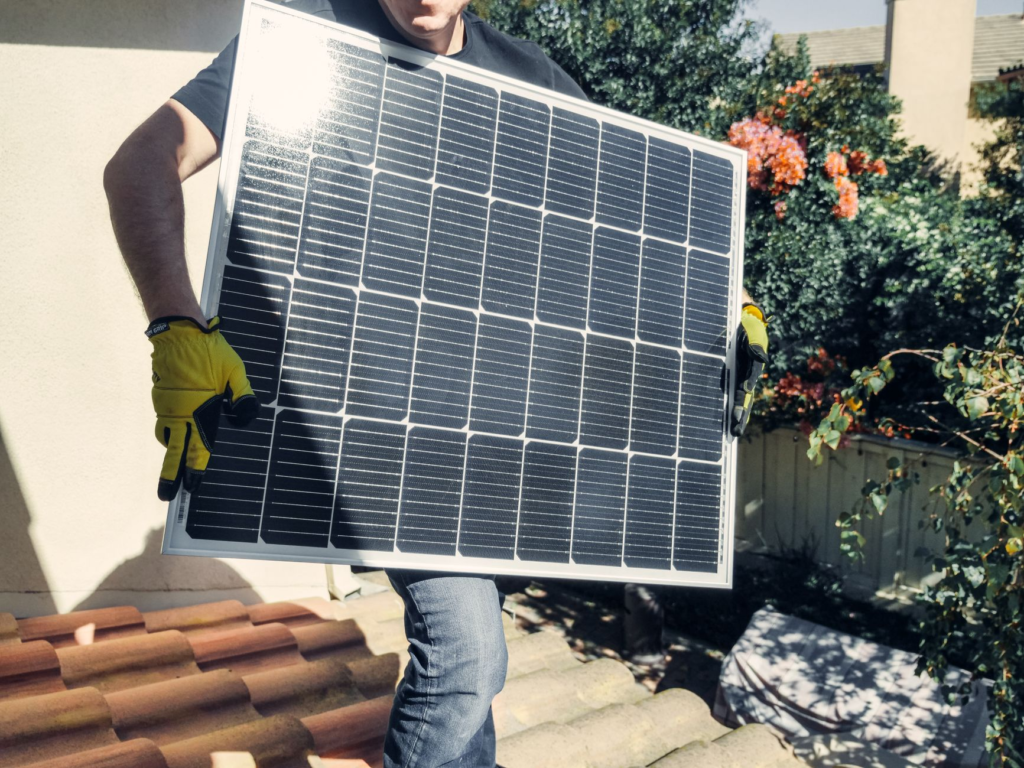
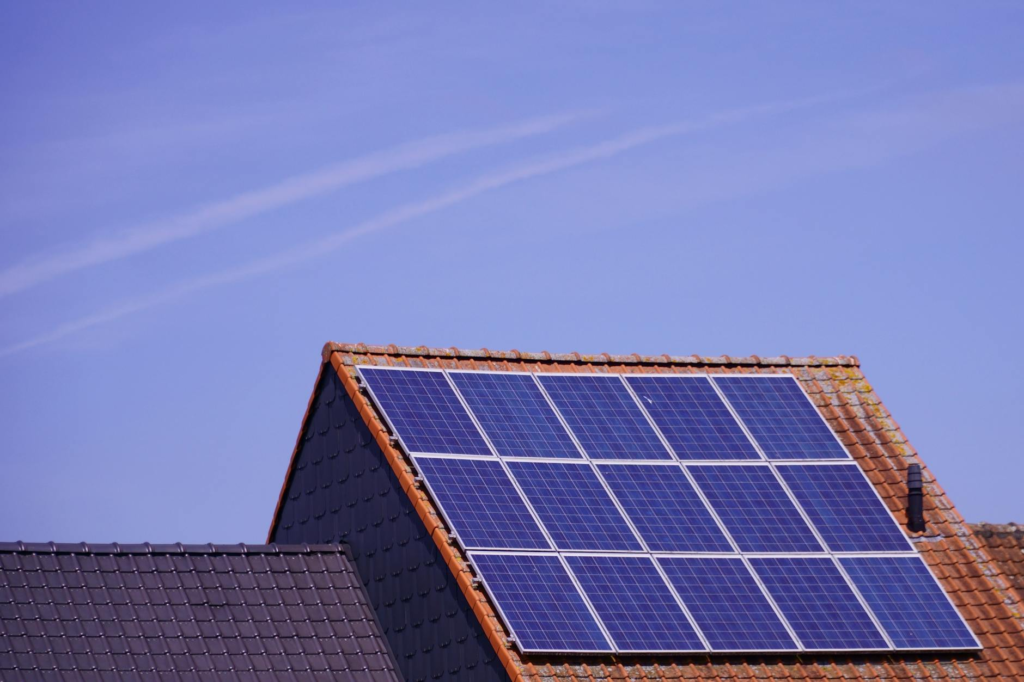
Major home energy improvements encompass projects that address the building envelope and core mechanical systems. Common upgrades include adding or sealing attic insulation, installing energy‑efficient windows and doors, upgrading to a high‑SEER (Seasonal Energy Efficiency Ratio) air‑conditioning system, and integrating renewable energy sources such as solar photovoltaic panels. These interventions often require professional installation, building permits, and a larger financial outlay, but they can dramatically reduce heating and cooling loads, which represent the biggest share of energy consumption in the Panhandle.
Comparing Savings: Appliances vs. Whole‑House Projects
To see how appliance upgrades stack up against larger projects, let’s look at a side‑by‑side comparison of typical costs, annual savings, and payback periods. While the exact numbers will vary by home size and usage, the table below provides a realistic snapshot for an average 2,000‑square‑foot residence in the Florida Panhandle.
| Improvement Type | Typical Cost (USD) | Estimated Annual Savings (USD) | Payback Period (Years) |
|---|---|---|---|
| Appliance upgrades (refrigerator, washer, dryer, dishwasher) | $2,500–$4,000 | $300–$500 | 5–8 |
| Attic insulation (R‑30) | $2,200–$3,000 | $350–$600 | 4–6 |
| ENERGY STAR windows (10 units) | $8,000–$12,000 | $800–$1,200 | 7–10 |
| High‑SEER AC unit (3‑ton) | $4,500–$6,500 | $600–$900 | 6–9 |
| Solar PV system (5 kW) | $15,000–$20,000 | $1,500–$2,200 | 8–12 |
From the table, it’s clear that appliance upgrades can deliver a respectable return on investment with a relatively low barrier to entry. The initial outlay is modest, and the payback period often falls under the five‑year mark, especially when utility rates are high. Larger projects such as window replacement or solar installation may offer greater absolute savings, but they also demand significantly more capital and longer payback periods. For many Panhandle homeowners, a hybrid approach—starting with appliance upgrades to capture quick appliance upgrades energy savings while planning for longer‑term envelope improvements—offers the most balanced path.
Factors Influencing Return on Investment
Several variables affect how quickly you’ll see savings from either strategy. First, the age and condition of existing appliances matter; an older refrigerator can be a prime candidate for a high‑impact upgrade. Second, the home’s current insulation level and window performance dictate how much additional benefit a whole‑house project can provide. Third, local utility rate structures—such as time‑of‑use pricing—can amplify the value of efficient appliances that run during peak hours. Finally, state and local incentives, including rebates for ENERGY STAR appliances or tax credits for solar, can dramatically shorten payback periods for both categories.
Regional Incentives and Rebates
The Florida Panhandle benefits from a variety of programs aimed at encouraging energy efficiency. The Florida Energy and Climate Commission offers rebates for ENERGY STAR appliances, often covering up to 20 % of the purchase price. Additionally, utility companies such as Gulf Power and Florida Public Utilities run seasonal “energy‑saving” promotions that provide instant discounts on qualifying appliances. For larger projects, the Florida Solar Energy Center administers a state tax credit of up to 30 % for residential solar installations, and the Department of Economic Opportunity’s Weatherization Assistance Program can subsidize insulation and window upgrades for low‑income households. Leveraging these incentives can make both appliance upgrades and major home improvements more financially attractive.
Practical Tips for Florida Homeowners
- Start with a home energy audit to identify the biggest waste areas before deciding where to invest.
- Prioritize appliances that run frequently—refrigerators, washers, and dishwashers—because they offer the highest appliance upgrades energy savings.
- Check for ENERGY STAR certification and look for the “U.S. DOE” label, which guarantees compliance with federal efficiency standards.
- Take advantage of local utility rebates; many are “first‑come, first‑served,” so apply early.
- When planning larger projects, combine upgrades—such as adding insulation and sealing ductwork—to maximize the overall reduction in heating and cooling loads.
- Consider financing options that align repayment with expected savings, especially for higher‑cost items like solar panels.
- Track your monthly electricity bills before and after each upgrade to quantify actual appliance upgrades energy savings and adjust future plans accordingly.
Frequently Asked Questions
- Do appliance upgrades really matter in a hot climate? Yes. In the Panhandle, cooling loads dominate, and efficient appliances reduce the overall electrical demand, easing strain on the HVAC system.
- How long does it take to see savings from a new refrigerator? Most homeowners notice a reduction in their monthly bill within the first billing cycle, with cumulative savings reaching the break‑even point in 2–4 years.
- Can I combine appliance rebates with other incentives? Absolutely. Many programs stack, allowing you to claim both an appliance rebate and a broader home‑efficiency credit.
- Is it better to install solar before upgrading appliances? It depends on cash flow. If you have limited funds, start with high‑impact appliance upgrades to free up money for solar later.
In summary, both appliance upgrades and major home energy improvements play vital roles in reducing electricity costs for Florida Panhandle residents. Appliance upgrades provide quick, affordable appliance upgrades energy savings and a relatively short payback, making them an excellent first step. Larger projects deliver deeper, long‑term reductions but require more capital and planning. By evaluating your home’s specific needs, taking advantage of local incentives, and possibly combining both approaches, you can create a customized energy‑efficiency strategy that maximizes savings and comfort year after year.
