



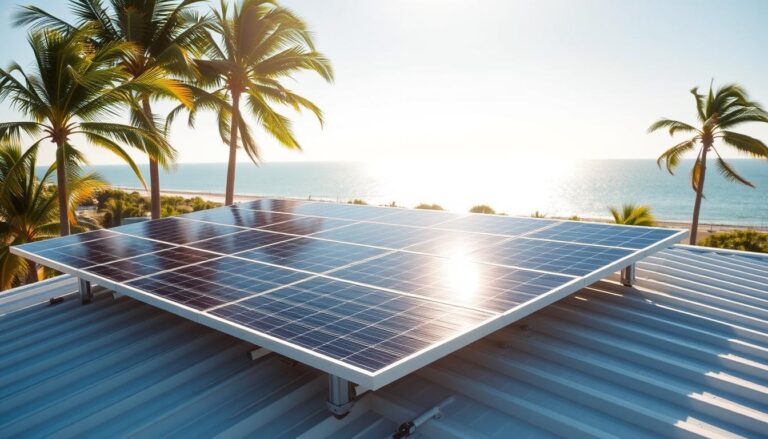
Why Roof Underlayments Matter for Solar Installations
When a homeowner or commercial property manager in Pensacola decides to add a solar array, the conversation often jumps straight to panel efficiency, inverter selection, and financing options. Yet one of the most critical, yet overlooked, components sits right beneath the panels: the roof underlayment. This thin, protective layer shields the decking from moisture, wind, and temperature fluctuations while providing a smooth surface for mounting hardware.
In fire‑prone regions like the Gulf Coast, the underlayment’s fire‑rating can become a decisive factor in both code compliance and long‑term safety. Understanding how arc‑resistant underlayment works, and when it truly adds value, helps you make an informed decision for a solar system that lasts.
What Is Arc‑Resistant Underlayment?
Arc‑resistant underlayment is a specialized type of roofing membrane engineered to withstand the intense heat and energy released during an electrical arc flash. Traditional synthetic underlayments—often made from polyethylene or polypropylene—can melt or ignite when exposed to an arc, potentially allowing fire to spread to the roof deck and interior spaces.
In contrast, arc‑resistant products incorporate mineral‑based fibers, ceramic coatings, or fiberglass reinforcement that maintain structural integrity at temperatures exceeding 1,500°F (815°C). For solar installations, where wiring, inverters, and DC disconnects concentrate electrical activity, the extra protection can be a game‑changer.
Solar Cost Calculator – Florida Panhandle Only
* Estimate based on $3.25 per watt for solar installation.
* For Tesla Powerwall 3 Batteries, $15,000 for the first battery, $12,000 for each additional battery.
* Other variations and types of Batteries are available.
How Arc Resistance Is Tested
Manufacturers submit their underlayments to standards such as ASTM E119 (Standard Test Methods for Fire Tests of Building Construction and Materials) and NFPA 285 (Standard Fire Test Method for Evaluation of Fire Propagation Characteristics of Exterior Wall Assemblies).
The tests simulate a worst‑case scenario: a sustained flame or arc applied for several seconds, followed by a cooldown period. Products that pass receive a Class A fire rating, the highest level of fire resistance for roofing materials. When you see “arc resistant underlayment solar Pensacola” in a product description, it signals that the material has met these rigorous benchmarks.
When Does Arc‑Resistant Underlayment Make Sense?
Not every solar project in Pensacola requires the added expense of arc‑resistant underlayment. The decision hinges on three main factors: local fire codes, the density of the solar array, and the existing roof construction.
- Local fire codes and insurance requirements. Some municipalities and insurers mandate a Class A underlayment for roofs supporting large photovoltaic (PV) systems, especially in high‑risk zones.
- Array density and layout. A dense array that covers most of the roof surface reduces the amount of exposed decking, increasing the importance of a fire‑resistant barrier.
- Existing roof deck material. Wood‑shake or plywood decks are more combustible than metal or concrete, making arc‑resistant underlayment a prudent upgrade.
If your project checks two or more of these boxes, the arc‑resistant underlayment solar Pensacola solution becomes a worthwhile investment, offering peace of mind and potentially lower insurance premiums.
Cost Considerations: Is the Extra Expense Justified?
Arc‑resistant underlayments typically cost 30% to 50% more than standard synthetic membranes. For a 5,000‑square‑foot roof, that price difference can translate to $1,500‑$2,500 in material costs alone. However, when you factor in the following, the value proposition strengthens:
- Reduced fire‑related liability. In the event of an arc‑induced fire, a Class A underlayment can slow flame spread, giving occupants more time to evacuate and firefighters more time to respond.
- Insurance discounts. Many insurers offer 5%‑10% premium reductions for roofs that meet higher fire‑rating standards.
- Longer roof life. Arc‑resistant membranes are often more durable against UV exposure and temperature cycling, extending the roof’s service life beyond the typical 15‑year warranty of standard underlayments.
When you calculate the potential savings from lower insurance premiums and avoided fire damage, the net cost gap narrows considerably, especially for commercial projects where the roof area and solar array size are larger.
Installation Nuances for Solar Contractors
Installing arc‑resistant underlayment under a solar array is similar to installing any other roofing membrane, but there are a few critical steps that ensure the material performs as intended. First, the roof deck must be clean, dry, and free of protruding fasteners.
Second, overlapping seams should be staggered and sealed with a high‑temperature‑rated tape or sealant approved by the underlayment manufacturer. Finally, the mounting rails should be attached using corrosion‑resistant screws that do not penetrate the membrane beyond the recommended depth, preserving the fire‑resistant barrier.
Solar installers in Pensacola who are familiar with local building codes often partner with roofing contractors experienced in handling mineral‑based underlayments. This collaboration helps avoid common pitfalls such as improper seam sealing or inadequate ventilation, both of which can compromise the underlayment’s fire‑rating.
Performance Comparison: Standard vs. Arc‑Resistant Underlayment
| Underlayment Type | Fire Rating (ASTM E119) | Typical Cost per sq ft (USD) |
|---|---|---|
| Standard Synthetic (Polyethylene) | Class C | $0.30‑$0.45 |
| Arc‑Resistant Mineral‑Based | Class A | $0.45‑$0.70 |
The table above highlights the core differences that matter most to solar developers. While the cost premium is evident, the jump from a Class C to a Class A rating can be decisive when the roof hosts a high‑density PV system. In Pensacola’s humid, hurricane‑prone climate, the added durability of mineral‑based membranes also helps resist wind‑driven water infiltration—a secondary benefit that can protect both the roof and the solar array.
Real‑World Scenarios: When Arc‑Resistant Underlayment Saved the Day
Several case studies from the Gulf Coast illustrate the practical advantage of using arc‑resistant underlayment under solar panels. In one commercial warehouse in nearby Mobile, Alabama, an electrical fault in a rooftop inverter caused a brief arc flash. The roof’s Class A underlayment contained the heat long enough for the fire suppression system to activate, preventing any structural damage. The incident resulted in a modest insurance claim and minimal downtime for the business.
Conversely, a residential home in Gulf Shores, Alabama, installed a standard synthetic underlayment beneath a 6 kW array. When a stray wire shorted, the resulting fire ignited the underlayment, quickly spreading to the wooden roof deck. The homeowner faced extensive repairs, a lengthy insurance claim, and a temporary loss of solar production. These contrasting outcomes underscore why “arc resistant underlayment solar Pensacola” is more than a marketing phrase—it’s a risk mitigation strategy.
Environmental Impact and Sustainability
Beyond fire safety, arc‑resistant underlayments often boast a lower environmental footprint compared with petroleum‑based synthetics. Many mineral‑based products incorporate recycled glass or slag, reducing waste sent to landfills. Additionally, their longer service life means fewer roof replacements over a building’s lifespan, conserving resources and energy associated with manufacturing and transportation.
When evaluating the total cost of ownership for a solar installation, factoring in the sustainability benefits of the underlayment can tip the scales toward a greener, more resilient roof system. For eco‑conscious property owners in Pensacola, this aligns with broader goals of reducing carbon footprints while enhancing fire safety.
Key Takeaways for Pensacola Homeowners and Contractors
- Arc‑resistant underlayment provides a Class A fire rating, significantly higher than standard synthetic membranes.
- Local fire codes, dense solar arrays, and combustible roof decks are the primary triggers for choosing an arc‑resistant solution.
- Although the material costs more upfront, insurance discounts, longer roof life, and reduced fire liability often justify the expense.
- Proper installation—clean deck, correct seam sealing, and appropriate fasteners—is essential to maintain the underlayment’s performance.
- Real‑world incidents demonstrate that arc‑resistant underlayment can prevent catastrophic roof fires and protect solar investments.
By weighing these factors, you can decide whether the “arc resistant underlayment solar Pensacola” approach aligns with your project’s budget, safety goals, and long‑term performance expectations.
Conclusion
Choosing the right underlayment is a foundational decision for any solar installation in Pensacola. While arc‑resistant underlayment carries a higher price tag, its superior fire rating, durability, and potential insurance benefits make it a compelling option for dense rooftop arrays, high‑risk roof decks, and projects subject to stringent local codes. When installed correctly, this material not only safeguards your property but also enhances the overall resilience of your solar investment.
