



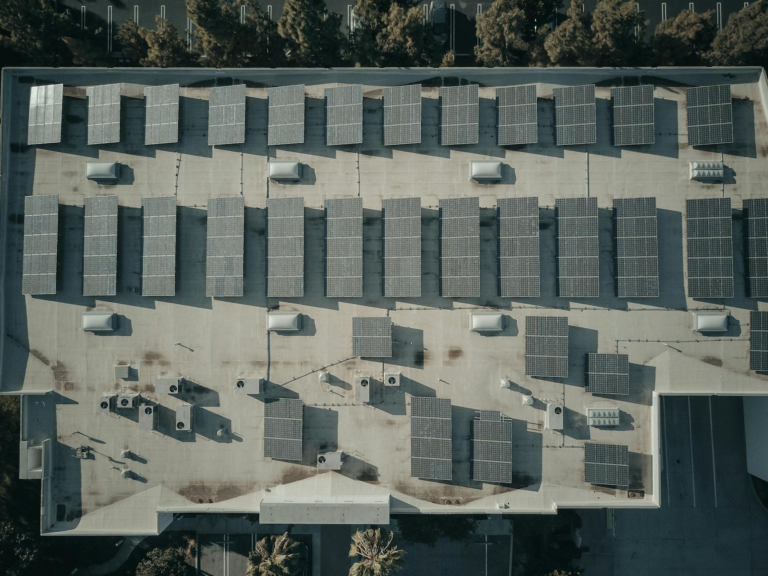
The heat that builds up on a roof during the long, sun‑filled days of the Gulf Coast is more than a comfort issue; it directly affects indoor temperatures, energy bills, and the lifespan of roofing materials. In the Florida Panhandle, where summer temperatures regularly exceed 90°F (32°C) and humidity levels hover near 80%, the problem is especially acute. Fortunately, the region’s unique coastal airflow patterns can act as a natural cooling system, mitigating rooftop heat stress without the need for expensive mechanical solutions. By understanding how sea breezes, temperature gradients, and local geography interact, homeowners and builders can harness coastal airflow solar cooling to protect their roofs and improve overall building performance.
Find us here:
Solar Cost Calculator – Florida Panhandle Only
* Estimate based on $3.25 per watt for solar installation.
* For Tesla Powerwall 3 Batteries, $15,000 for the first battery, $12,000 for each additional battery.
* Other variations and types of Batteries are available.
Understanding Rooftop Heat Stress
Rooftop heat stress occurs when solar radiation is absorbed by roofing materials faster than it can be dissipated. Dark shingles, metal panels, and even some lighter‑colored membranes can reach surface temperatures 150°F (65°C) or higher on a clear day. This excess heat radiates inward, raising attic temperatures and forcing air‑conditioning systems to work harder. Over time, the thermal cycling—heating during the day and cooling at night—can cause material fatigue, leading to cracks, granule loss, and reduced reflectivity. The cumulative effect is higher energy consumption, increased wear on HVAC equipment, and a shorter roof lifespan, making mitigation strategies essential for long‑term durability.
Why the Florida Panhandle Is Particularly Vulnerable
The Panhandle’s proximity to the Gulf of Mexico means it experiences strong diurnal sea breezes that can either alleviate or exacerbate heat buildup, depending on building orientation and roof design. The region’s flat topography offers little natural shade, while the high solar angle in summer maximizes exposure. Additionally, the combination of high humidity and warm temperatures reduces the effectiveness of evaporative cooling, placing greater reliance on airflow to remove heat from roof surfaces. These factors together create a perfect storm for rooftop heat stress, underscoring the importance of leveraging natural coastal dynamics.
The Science of Coastal Airflow
Coastal airflow is driven by temperature differences between land and sea. During the day, the sun heats the land faster than the water, causing warm air to rise over the shoreline. Cooler, denser air from over the Gulf moves inland to replace it, creating a steady onshore breeze. This breeze not only provides a cooling sensation for people but also carries away heat that has accumulated on surfaces such as rooftops. The strength and consistency of these breezes vary with seasonal pressure systems, but in the Gulf Coast they are a reliable feature that can be strategically used in building design.
How Sea Breezes Interact with Solar Radiation
When solar radiation strikes a roof, it raises the surface temperature, creating a thin layer of warm air that clings to the material. The onshore wind generated by the Gulf’s sea breezes disrupts this boundary layer, sweeping away the heated air and replacing it with cooler marine air. This process, known as convective cooling, can lower roof surface temperatures by up to 30°F (17°C) in optimal conditions. By aligning roof overhangs and vent openings with the prevailing direction of the coastal airflow, homeowners can maximize this natural convection, effectively employing coastal airflow solar cooling as a passive temperature regulator.
Role of Humidity and Temperature Gradients
Humidity plays a dual role in coastal cooling. While high moisture content can reduce the efficiency of evaporative cooling, it also increases the density of the incoming sea breeze, enhancing its ability to displace warm air from the roof cavity. The temperature gradient between the warm land surface and the cooler ocean water drives the breeze, and the greater this gradient, the stronger the airflow. During early summer mornings, when the land is still warming, the gradient is modest, but by mid‑afternoon it intensifies, delivering a more potent cooling effect precisely when rooftop heat stress peaks.
Coastal Airflow Solar Cooling in Practice
Translating the principles of coastal airflow into practical design requires a blend of architectural foresight and material selection. By positioning roof vents, ridge vents, and soffit openings to align with the dominant onshore wind direction, the natural draft can be amplified. Roofing materials with higher solar reflectance, such as cool‑roof shingles or reflective metal panels, work synergistically with the airflow, reflecting more sunlight while the breeze removes the residual heat. When these strategies are combined, the result is an effective coastal airflow solar cooling system that reduces interior temperatures without reliance on mechanical fans.
Design Strategies for Homes
- Install continuous soffit vents along the eaves to introduce cool sea breezes.
- Use ridge vents or turbine vents to facilitate upward airflow and exhaust hot air.
- Choose roofing materials with high solar reflectance index (SRI) values.
- Incorporate overhangs that shade the roof while allowing wind passage.
- Align roof valleys and gables with the prevailing wind direction.
Landscaping and Orientation Tips
Beyond the roof itself, thoughtful landscaping can enhance coastal airflow solar cooling. Planting wind‑break trees at a distance of 15–20 feet from the house allows the breeze to funnel around the structure rather than being obstructed. Using low‑lying shrubs and permeable ground covers reduces heat absorption around the building envelope. Orienting the longest façade of the home toward the prevailing onshore wind ensures maximum exposure to the cooling breeze, while strategic placement of decks and patios can create shaded outdoor spaces that benefit from the same airflow.
Quantifying the Benefits
Studies conducted across the Gulf Coast have measured the temperature differentials achieved through optimized airflow. In homes where roof vents were aligned with the sea breeze, surface temperatures dropped an average of 25°F (14°C) compared to structures with conventional vent placement. This reduction translates to lower attic temperatures, decreasing the cooling load on HVAC systems by up to 12%. The resulting energy savings can be significant, especially during peak summer months when electricity rates are highest.
| Metric | Standard Roof | Optimized Coastal Airflow |
|---|---|---|
| Peak Roof Surface Temp (°F) | 150 | 125 |
| Attic Temp Reduction (°F) | 0 | 15 |
| HVAC Energy Savings (%) | 0 | 12 |
Energy Savings Implications
The reduction in cooling demand not only lowers utility bills but also extends the life of air‑conditioning equipment, reducing maintenance costs. By incorporating coastal airflow solar cooling into the building envelope, homeowners can achieve a more sustainable energy profile, contributing to lower carbon emissions. Over a typical 20‑year roof lifespan, the cumulative savings can offset the initial investment in additional venting and higher‑performance roofing materials, making it a financially sound strategy for long‑term homeowners.
Common Misconceptions
One frequent myth is that sea breezes are too weak to make a measurable difference in roof temperatures. In reality, even modest wind speeds of 5–10 mph can disrupt the thermal boundary layer on a roof, providing noticeable cooling. Another misconception is that adding more vents will automatically improve airflow. Without proper placement and alignment with the prevailing wind direction, excess vents can create short‑circuiting paths that reduce the effectiveness of the natural draft. Effective coastal airflow solar cooling relies on a balanced design rather than simply increasing the number of openings.
Future Trends and Technology
Emerging technologies are poised to enhance the benefits of natural coastal airflow. Smart vent systems equipped with wind sensors can adjust opening sizes in real time, optimizing the convective cooling effect based on current wind speed and direction. Integrated solar‑reflective membranes that change reflectance with temperature further reduce heat absorption, complementing the airflow. As building codes in the Gulf Coast evolve to prioritize energy efficiency, incorporating coastal airflow solar cooling will likely become a standard best practice for new construction and retrofits alike.
By understanding and applying the principles of coastal airflow, homeowners in the Florida Panhandle can dramatically reduce rooftop heat stress, lower energy costs, and extend the life of their roofs. Leveraging the natural wind patterns that the Gulf Coast offers is not just an eco‑friendly choice—it’s a smart, cost‑effective strategy for comfortable, resilient living.
