



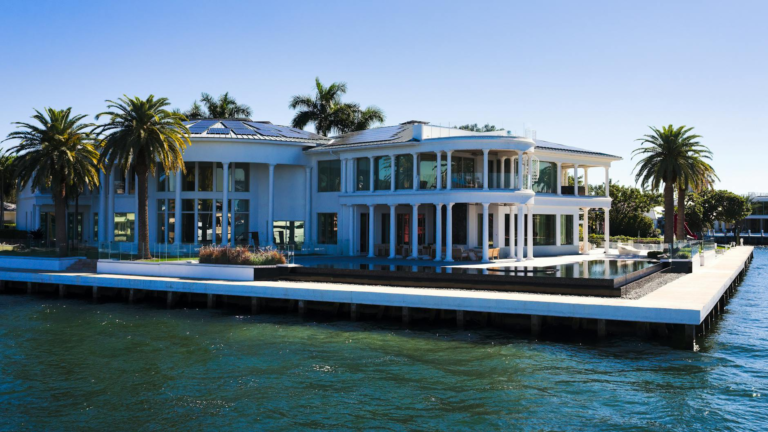
Living along the sun‑kissed shores of the Florida Panhandle offers a unique blend of natural beauty, recreational opportunities, and a lifestyle that many consider the ultimate expression of freedom. Yet, this idyllic setting also comes with responsibilities—especially when it comes to energy use. Embracing coastal living solar planning isn’t just a trend; it’s a strategic approach that safeguards the environment, bolsters local economies, and ensures that the power grid remains resilient against storms and rising sea levels. In this comprehensive guide, we’ll explore how thoughtful solar integration can become a cornerstone of responsible coastal living, providing homeowners, community leaders, and developers with actionable insights for a sustainable future.
Find us here:
Solar Cost Calculator – Florida Panhandle Only
* Estimate based on $3.25 per watt for solar installation.
* For Tesla Powerwall 3 Batteries, $15,000 for the first battery, $12,000 for each additional battery.
* Other variations and types of Batteries are available.
Understanding Responsible Energy Planning
Responsible energy planning starts with a clear-eyed assessment of a community’s unique challenges and assets. Coastal regions face distinct pressures: salt‑laden air, higher humidity, and the ever‑present threat of hurricanes. At the same time, they benefit from abundant sunshine, making solar power an especially attractive option. By aligning solar initiatives with local zoning laws, environmental regulations, and community goals, stakeholders can create a roadmap that maximizes benefits while minimizing risks. This holistic perspective is at the heart of effective coastal living solar planning, ensuring that each project contributes to a resilient, low‑carbon future.
Why Coastal Communities Need Solar
Traditional fossil‑fuel generation often relies on centralized plants located far from the shoreline, leading to transmission losses and increased vulnerability during extreme weather events. Solar installations, on the other hand, can be distributed across rooftops, parking lots, and community spaces, reducing dependence on distant power sources. Moreover, solar energy produces no onsite emissions, which is critical for preserving the pristine air and water quality that coastal residents cherish. When solar is woven into the fabric of coastal living solar planning, it becomes a defensive layer against grid outages, a catalyst for local job creation, and a tangible step toward meeting state and federal climate targets.
Benefits of Solar for Coastal Living
Adopting solar power along the Gulf Coast delivers a suite of benefits that extend beyond the immediate reduction of electricity bills. From an environmental standpoint, solar panels offset carbon emissions, protect marine ecosystems from the impacts of climate change, and help preserve the delicate balance of coastal habitats. Economically, homeowners can tap into net‑metering programs, earn tax credits, and increase property values—often by as much as 4 % to 5 % in sun‑rich markets. Socially, community solar projects foster collaboration, giving residents who lack suitable rooftops a stake in clean energy generation. All these advantages are amplified when solar is integrated through a deliberate coastal living solar planning process that takes local conditions into account.
Environmental Benefits
Solar arrays produce electricity without burning fuel, eliminating greenhouse gases and air pollutants that contribute to ocean acidification and coastal erosion. By reducing reliance on coal and natural gas, coastal communities help protect the health of nearby reefs, mangroves, and seagrass beds—critical habitats for fish, birds, and marine mammals. Additionally, modern solar panels have a lower lifecycle carbon footprint than many other renewable technologies, making them a smart choice for long‑term environmental stewardship.
Economic Benefits
Financial incentives for solar in Florida, such as the state solar rebate and the federal Investment Tax Credit (ITC), can cover a substantial portion of installation costs. When homeowners participate in coastal living solar planning, they often gain access to group purchasing programs that further lower expenses. Moreover, solar projects create skilled jobs in installation, maintenance, and system design—employment that stays within the local economy. Over time, reduced utility bills free up household income for other needs, reinforcing the economic stability of coastal towns.
Planning Solar Installations in the Florida Panhandle
Effective coastal living solar planning requires a step‑by‑step approach that accounts for both the opportunities presented by abundant sunshine and the challenges posed by a harsh marine environment. Below is a concise checklist that guides homeowners, architects, and municipal planners through the essential stages of a successful solar project, from site assessment to final commissioning.
- Conduct a solar feasibility study that evaluates sun exposure, shading, and roof orientation.
- Review local zoning ordinances, historic district guidelines, and homeowners’ association rules.
- Assess structural integrity of roofs or ground‑mount sites to withstand wind speeds up to 150 mph.
- Choose corrosion‑resistant mounting hardware and marine‑grade photovoltaic (PV) modules.
- Apply for state and federal incentives, including the Florida Solar Energy System Incentives Program.
- Engage a certified installer familiar with hurricane‑proof installation techniques.
- Develop a maintenance schedule that includes regular cleaning and inspection for salt‑induced wear.
By following this roadmap, residents can ensure that their solar investments are both durable and compliant with local regulations. The process also helps align individual projects with broader community goals, such as reducing overall carbon footprints and enhancing grid resilience—a core tenet of coastal living solar planning.
Overcoming Common Challenges
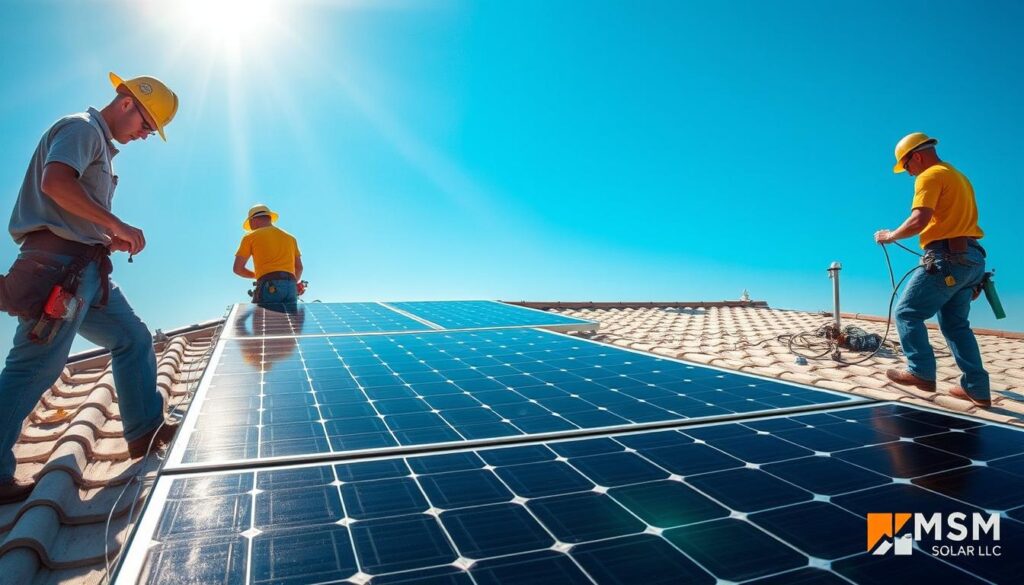
While the advantages of solar are compelling, coastal installations must contend with specific obstacles. Understanding these challenges and implementing proven mitigation strategies is essential for long‑term success.
Salt Air and Corrosion
Salt particles in the air accelerate corrosion of metal components, potentially shortening the lifespan of mounting systems and inverters. Selecting stainless‑steel or anodized aluminum hardware, as well as PV modules with anti‑corrosion coatings, dramatically reduces these risks. Regular inspections—especially after major storms—help identify early signs of wear, allowing for timely repairs that keep the system operating at peak efficiency.
Hurricane Resilience
Hurricanes pose the greatest threat to coastal solar arrays. To mitigate damage, installers employ reinforced racking systems, use double‑secured bolts, and orient panels to minimize wind uplift. In many cases, panels are mounted on a sloped roof rather than a flat surface, which reduces wind pressure. Moreover, integrating micro‑inverters or power optimizers can protect the system from localized failures, ensuring that a single damaged panel doesn’t cripple the entire array.
Incentives and Financing Options
Financial support plays a pivotal role in making solar accessible to a broad range of coastal residents. The Florida Panhandle benefits from a mix of state‑level rebates, utility‑specific programs, and federal tax credits that collectively can offset up to 30 % or more of installation costs. Additionally, many banks and credit unions offer low‑interest green loans, while property‑assessed clean‑energy (PACE) financing allows homeowners to repay solar investments through their property tax bill. By weaving these incentives into coastal living solar planning, families can achieve a faster return on investment and contribute to the region’s sustainability goals.
A Sample Solar Planning Checklist
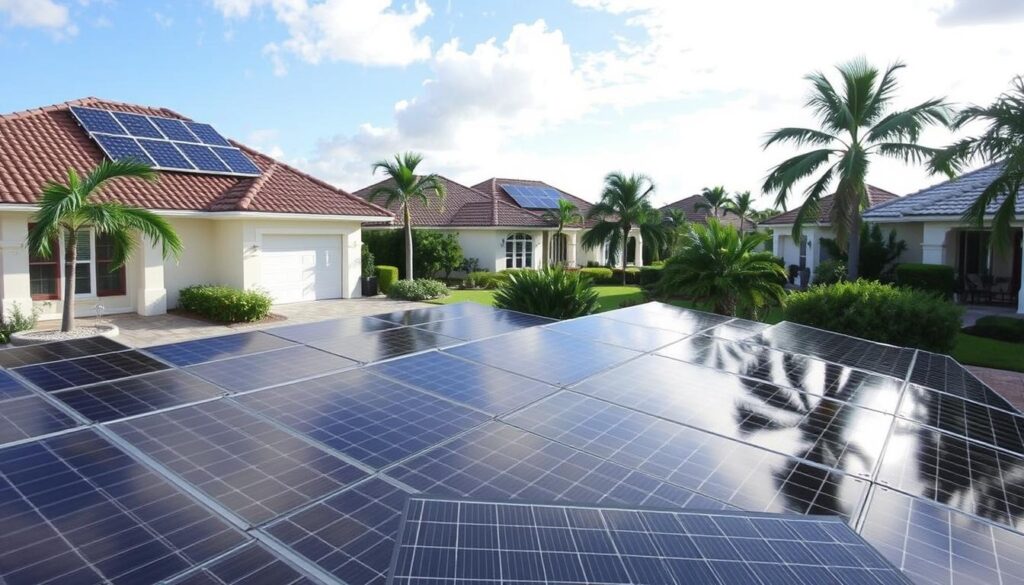
The table below summarizes the critical steps and considerations for a successful solar project in a coastal setting. Use it as a reference throughout your planning process to ensure no detail is overlooked.
| Checklist Item | Key Consideration |
|---|---|
| Site Sun Exposure | Minimum 5 kWh/m²/day; avoid shading from trees or structures |
| Structural Assessment | Verify roof can support panel load and wind forces up to 150 mph |
| Corrosion‑Resistant Materials | Select marine‑grade mounts and stainless‑steel hardware |
| Hurricane‑Proof Design | Use reinforced racking, double‑secured bolts, and sloped mounting |
| Incentive Application | Submit for state rebate, ITC, and utility programs before installation |
| Financing Strategy | Explore green loans, PACE financing, or lease options |
| Maintenance Schedule | Plan bi‑annual cleaning and post‑storm inspections |
By systematically addressing each item, homeowners can streamline the permitting process, reduce unexpected costs, and enhance the durability of their solar system—key outcomes of diligent coastal living solar planning.
Conclusion
Integrating solar energy into the daily fabric of Florida’s coastal communities is more than an environmental choice; it’s a pragmatic strategy for resilience, economic vitality, and responsible stewardship of the shoreline. Through careful coastal living solar planning—grounded in site‑specific analysis, robust design, and savvy financing—residents can harness the sun’s power while protecting the very coast they love. As the climate narrative evolves, those who act now will set the standard for a sustainable, thriving future along the Gulf’s beautiful horizon.
