



Understanding the Influence of Coastal Winds on Solar Engineering
When homes sit just steps away from the Gulf of Mexico, the environment presents unique challenges for renewable energy installations. The constant presence of salty breezes, gusty storms, and higher average wind speeds means that standard solar engineering practices often fall short. This is where coastal wind solar engineering becomes essential. By tailoring system designs to withstand the dynamic forces of the coastline, homeowners in places like Navarre Beach and Okaloosa Island can achieve reliable power generation while protecting their investment from premature wear. In this article we’ll explore how coastal wind exposure shapes every aspect of solar engineering, from site assessment and structural design to material selection and long‑term maintenance.
Find us here:
Solar Cost Calculator – Florida Panhandle Only
* Estimate based on $3.25 per watt for solar installation.
* For Tesla Powerwall 3 Batteries, $15,000 for the first battery, $12,000 for each additional battery.
* Other variations and types of Batteries are available.
Why Coastal Wind Matters for Solar Engineering
Coastal wind patterns differ dramatically from inland conditions. While an inland installation might experience gentle breezes, a beachfront property can encounter sustained winds exceeding 20 mph, with occasional gusts surpassing 50 mph during tropical storms. These forces impose additional lateral loads on solar panels and mounting structures, increasing the risk of deflection, fatigue, and even catastrophic failure if not properly addressed. Moreover, the salty, humid air accelerates corrosion of metal components, reducing the lifespan of standard hardware. Ignoring these factors can lead to reduced energy output, higher maintenance costs, and safety hazards, making coastal wind solar engineering a non‑negotiable component of any successful offshore solar project.
Wind Speed Patterns Along the Gulf Coast
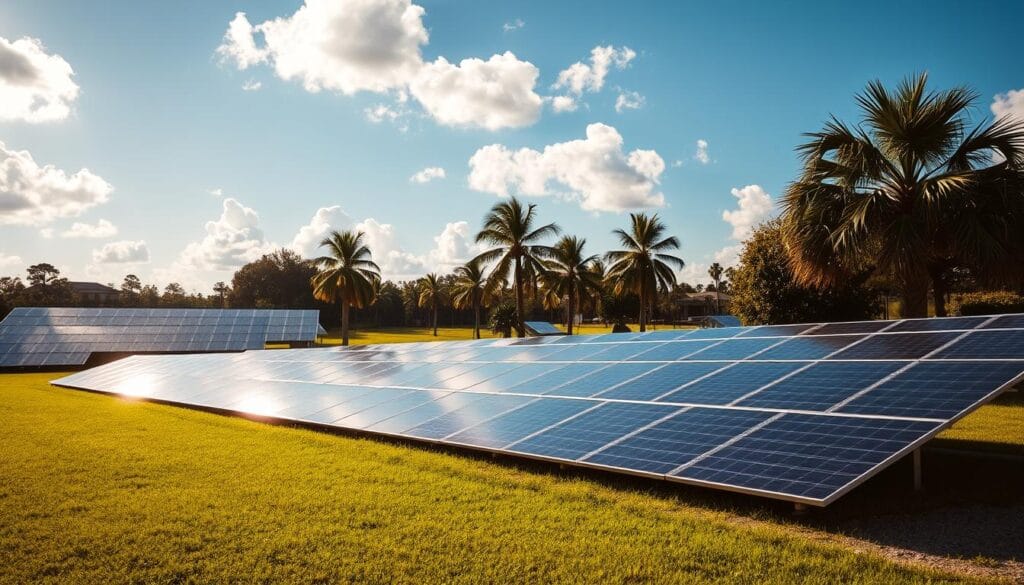
The Gulf Coast experiences a distinct diurnal wind cycle. Morning breezes are typically calmer, while afternoon and evening periods see stronger gusts driven by temperature differentials over the water. Seasonal variations also play a role; summer months bring sea breezes that can reach 15–20 mph, while winter storms can produce sustained high‑speed winds. Understanding these patterns through on‑site anemometer data or reputable wind atlases enables engineers to calculate the appropriate design wind pressure, a cornerstone of coastal wind solar engineering practices.
Corrosion Risks Unique to Coastal Environments
Salt particles suspended in the air act like microscopic abrasives, attacking exposed metal surfaces. Over time, this leads to pitting corrosion on aluminum frames, stainless steel bolts, and even the copper wiring within the panels. The accelerated degradation not only weakens structural integrity but also increases electrical resistance, which can diminish system efficiency. Selecting corrosion‑resistant alloys and applying protective coatings are critical steps in any coastal wind solar engineering strategy.
Structural Load Considerations for Beachfront Installations
Design codes such as the International Building Code (IBC) and ASCE 7 provide guidelines for wind load calculations, but they must be adapted for the heightened exposure found on the shoreline. Engineers must account for uplift forces on the panel surface, drag on mounting rails, and the moment generated by gusts hitting the array at various angles. Incorporating a safety factor higher than the standard 1.5 can provide the extra margin needed for coastal resilience, a hallmark of effective coastal wind solar engineering.
Design Strategies for Coastal Wind Solar Engineering
Addressing the challenges posed by coastal winds requires a holistic approach that blends robust structural design, material science, and aerodynamic optimization. Below we outline the key strategies that enable solar installations to thrive in windy, salty environments while maintaining high performance and durability.
Optimized Mounting Systems
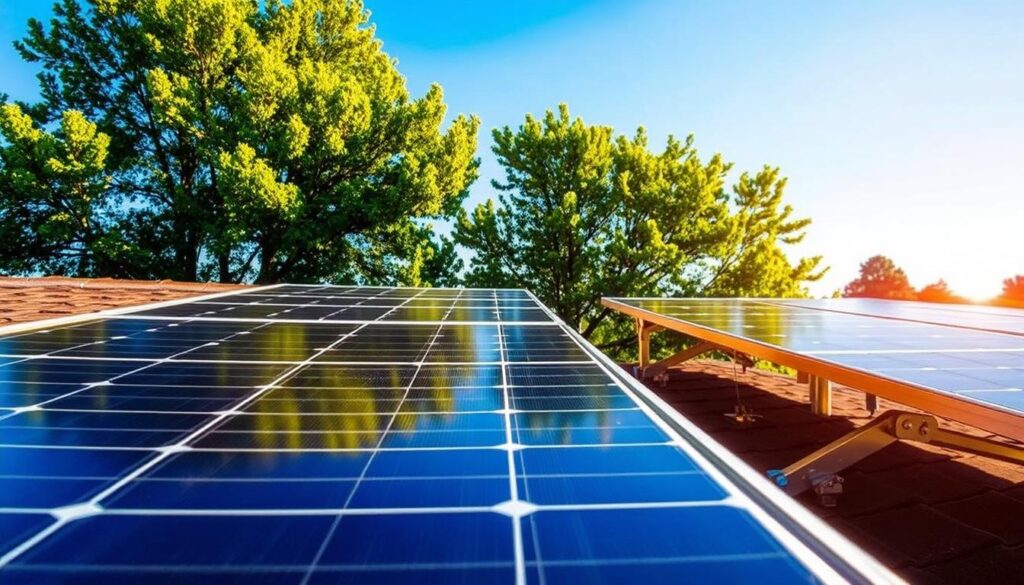
Traditional roof‑mount kits may not provide sufficient resistance to uplift and lateral forces. For coastal applications, engineers often turn to ground‑mounted or pole‑mounted racking with deep‑set concrete footings, reinforced steel brackets, and additional bracing. Tilt angles are carefully chosen to balance solar exposure with wind resistance; a lower tilt reduces the projected area exposed to gusts, thereby lowering the overall wind load. In many cases, a dual‑tilt system that can be adjusted seasonally offers the flexibility needed for long‑term coastal wind solar engineering success.
Corrosion‑Resistant Materials
Choosing the right materials can dramatically extend the service life of a coastal solar array. Marine‑grade aluminum (e.g., 6061‑T6 treated with anodization), hot‑dip galvanized steel, and duplex stainless steel (e.g., 2205) are commonly specified for mounting hardware. For wiring, tinned copper conductors with UV‑stable insulation are preferred. Additionally, applying marine‑grade epoxy coatings to exposed surfaces adds a sacrificial barrier against salt spray, a practice that is integral to any comprehensive coastal wind solar engineering plan.
Aerodynamic Profiling of Panels
Modern photovoltaic panels can be engineered with rounded edges, recessed frames, and perforated backsheets to reduce wind pressure coefficients. These aerodynamic tweaks help the wind flow smoothly around the panels, decreasing turbulence and the associated drag forces. In some high‑risk zones, engineers even employ “wind‑deflection” baffles—small, strategically placed fins that redirect gusts upward, further minimizing the effective wind load on the array.
Case Study: Navarre Beach and Okaloosa Island
Homeowners on Navarre Beach and Okaloosa Island face some of the most demanding coastal conditions in the Gulf region. With an average wind speed of 12 mph and frequent exposure to tropical storms, these neighborhoods require a specialized approach to solar engineering. Local installers who have embraced coastal wind solar engineering principles report a 30 % reduction in maintenance calls and a 20 % increase in system uptime compared to standard installations.
- Conduct a site‑specific wind assessment using a portable anemometer for at least three months.
- Select marine‑grade mounting hardware with a minimum 3‑year corrosion warranty.
- Opt for low‑profile, high‑efficiency panels with aerodynamic edges.
- Design mounting structures with a minimum 45 ° tilt to lower wind exposure.
- Implement a regular inspection schedule, especially after major storm events.
| Design Feature | Coastal Recommendation |
|---|---|
| Mounting System | Ground‑mounted racking with deep concrete footings and reinforced steel brackets. |
| Panel Tilt | Lower tilt (15°–20°) to reduce projected wind area while maintaining adequate solar gain. |
| Materials | Marine‑grade aluminum, hot‑dip galvanized steel, duplex stainless steel fasteners. |
| Coatings | Epoxy marine coating on all exposed metal surfaces. |
| Inspection Cycle | Quarterly visual checks plus post‑storm inspections. |
Maintenance and Longevity Considerations
Even the most robust coastal solar system requires diligent upkeep to preserve performance. Salt deposits can accumulate on panel surfaces, reducing light transmission and encouraging micro‑abrasions. Regular cleaning with fresh water and a soft brush helps maintain efficiency. Additionally, periodic torque checks on mounting bolts ensure that wind‑induced loosening does not compromise structural integrity. By integrating these practices into a maintenance plan, homeowners can fully leverage the benefits of coastal wind solar engineering for decades.
Inspection Frequency
Given the accelerated wear caused by wind and salt, a quarterly inspection schedule is advisable. During each visit, technicians should verify that all fasteners remain tight, examine protective coatings for signs of wear, and assess the condition of wiring connections. Any signs of corrosion should be addressed immediately to prevent cascade failures.
Cleaning Techniques for Salt‑Laden Panels
Cleaning should be performed when the panels are cool to avoid thermal shock. Use a low‑pressure hose with fresh water to rinse away salt residue, followed by a soft, non‑abrasive brush for stubborn deposits. Avoid harsh detergents that could damage the anti‑reflective coating. For homeowners who prefer DIY, a simple mixture of mild dish soap and water works effectively without compromising the panel surface.
Warranty Implications
Manufacturers often offer extended warranties for installations that meet specific coastal criteria. Providing documentation of the enhanced mounting system, corrosion‑resistant materials, and regular maintenance logs can qualify a project for an additional five‑year warranty on both the panels and the racking. This added protection underscores the value of a well‑executed coastal wind solar engineering approach.
In summary, the interplay between wind dynamics and salty air creates a demanding environment for solar installations along the Gulf Coast. By embracing the principles of coastal wind solar engineering—from rigorous site analysis and resilient structural design to corrosion‑resistant materials and proactive maintenance—homeowners in Navarre Beach and Okaloosa Island can enjoy reliable, long‑lasting renewable energy. Investing in these specialized strategies not only safeguards the system against the elements but also maximizes the return on investment for years to come.
