



Introduction
Across the Gulf Coast, homeowners are increasingly turning to solar energy as a way to offset soaring electricity bills. While many states see steady growth in solar installations, the surge is especially pronounced in areas with high cooling demand. In Florida, the combination of relentless heat, high humidity, and soaring air‑conditioning use creates a unique market dynamic: the more a household needs to cool its home, the more attractive solar becomes. This article explores why cooling demand solar adoption florida is a driving force behind the rapid uptake of photovoltaic systems, focusing on the Pensacola and Navarre regions where summer temperatures push utility costs to the limit.
Find us here:
Understanding Cooling Demand
Cooling demand refers to the amount of energy required to maintain comfortable indoor temperatures during hot weather. In meteorological terms, it is often measured by “cooling degree days” (CDD), a metric that accumulates the number of degrees above a base temperature (usually 65 °F) for each day of the year. The Gulf Coast consistently records some of the highest CDD values in the United States, meaning that air‑conditioning units run for many hours each day, especially from June through September.
When cooling demand spikes, two key effects emerge: electricity consumption rises sharply, and utility rates—particularly during peak‑load periods—can increase dramatically. For homeowners, this translates into larger monthly bills and a heightened sensitivity to any opportunity that can lower energy costs.
The Role of Humidity
Humidity compounds the cooling challenge. Moist air feels hotter, prompting residents to set thermostats lower than they might in drier climates. The added moisture also forces air‑conditioners to work harder, consuming more kilowatt‑hours (kWh) and accelerating wear on equipment. In regions like Pensacola and Navarre, relative humidity often hovers above 70 % during the hottest months, intensifying the need for reliable, cost‑effective cooling solutions.
How Cooling Demand Drives Solar Adoption
When a household’s electricity usage is dominated by air‑conditioning, the financial upside of generating clean power on‑site becomes crystal clear. Solar panels produce the most electricity during midday—the same window when cooling systems are running at full capacity. This synchronicity means that a well‑sized solar array can directly offset a significant portion of a home’s cooling load, reducing the amount of electricity drawn from the grid when rates are highest.
In Florida, the phrase cooling demand solar adoption florida has entered industry reports as a shorthand for this phenomenon. Studies show that in high‑CDD counties, solar installations can cut cooling‑related electricity costs by 30 % to 50 % over the lifespan of the system, delivering a faster return on investment compared to regions with milder climates.
Net Metering Benefits
Net metering policies in Florida allow homeowners to feed excess solar electricity back into the grid and receive credit at the retail rate. During hot afternoons, when solar generation peaks, many households generate more power than their air‑conditioners consume at that moment. Those surplus kilowatt‑hours are stored as credits that offset electricity used during cooler evenings or on cloudy days, further enhancing the economic case for solar in high‑cooling‑demand neighborhoods.
Florida’s Climate Hotspots: Pensacola and Navarre
Pensacola and Navarre sit on the western edge of the Florida Panhandle, directly exposed to the warm waters of the Gulf of Mexico. Their geographic position subjects them to long, humid summers and occasional heatwaves that push daily high temperatures into the mid‑90s °F. According to the National Oceanic and Atmospheric Administration (NOAA), these areas rank among the top 10 U.S. locales for annual cooling degree days.
Because of this climate profile, homeowners in Pensacola and Navarre experience some of the highest residential electricity bills in the state. The combination of high usage and a utility structure that includes demand charges—fees based on the maximum power drawn at any point during the billing cycle—creates a powerful incentive to adopt solar. When a solar system can shave off even a few kilowatts of peak demand, it can dramatically lower those demand charges.
Local Solar Incentives
The Florida Solar Energy Industries Association (FSEIA) reports that local municipalities in the Panhandle have introduced additional rebates and streamlined permitting processes to accelerate solar adoption. These incentives, coupled with the high cooling load, make the phrase cooling demand solar adoption florida a compelling call to action for residents seeking both comfort and cost savings.
Economic Incentives and Utility Rates
Beyond the climate factor, the economics of solar in high‑cooling‑demand regions are shaped by state and federal policies. The federal Investment Tax Credit (ITC) currently offers a 30 % credit on the cost of solar installations, while Florida’s property tax exemption prevents added home value from increasing property taxes. Together, these incentives lower the upfront cost, making the payback period for a solar system in a hot climate as short as five to seven years.
Utility rates in the Gulf Coast are also structured to reflect peak‑load pressures. Many providers employ time‑of‑use (TOU) tariffs that charge higher rates during the hottest part of the day. Since solar generation aligns perfectly with these peak periods, homeowners can avoid the most expensive kilowatt‑hours, further accelerating the financial benefits of solar. This dynamic is a core component of the cooling demand solar adoption florida narrative.
Technological Factors: Efficient Panels and Storage
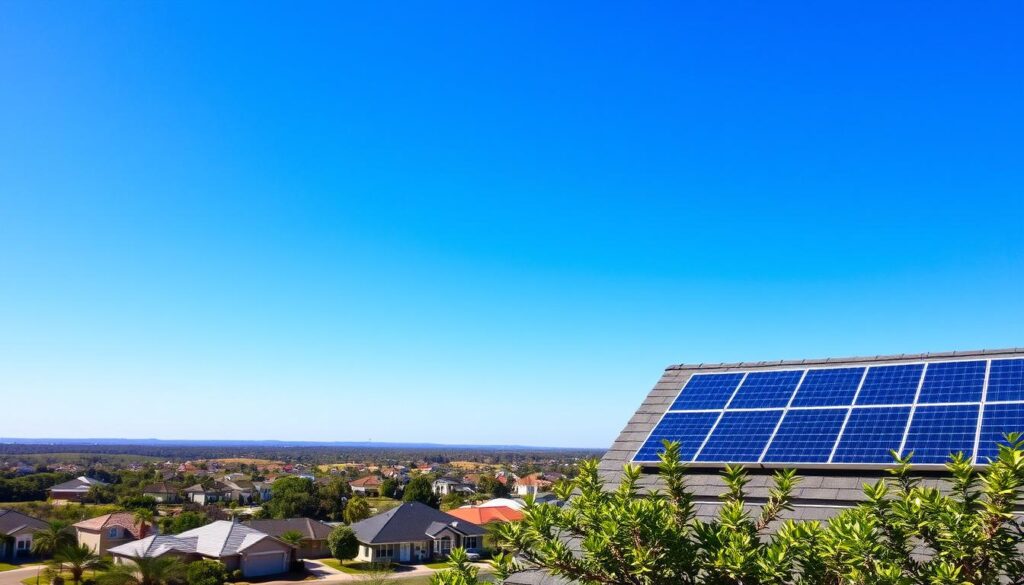
Advances in photovoltaic technology have made solar panels more efficient at converting sunlight into electricity, even under high temperatures that traditionally degrade performance. Modern monocrystalline modules retain over 90 % of their rated output at 95 °F, ensuring that the intense heat of a Florida summer does not significantly diminish generation.
Battery storage is another game‑changer for high‑cooling‑demand households. By storing midday solar energy, a battery can supply power to an air‑conditioner during the evening peak, when net metering credits may be lower or when the utility imposes demand charges. While storage adds to the initial cost, the synergy between cooling demand and solar generation makes the investment increasingly attractive, especially as battery prices continue to fall.
Case Study: A Pensacola Homeowner’s Experience
John Martinez, a 42‑year‑old electrician from Pensacola, installed a 7 kW solar system in 2022 after his monthly electricity bill consistently exceeded $250 during summer months. His home, built in the 1990s, relied on a central air‑conditioning unit that ran an average of 12 hours per day in July and August.
After the installation, John observed an immediate reduction in his utility bill. During peak summer weeks, his system generated enough electricity to cover approximately 45 % of his cooling load, and the net metering credits covered the remainder of his daytime usage. Over the first year, his total electricity expense dropped from $3,200 to $1,850, delivering a 42 % savings rate.
John also added a 10 kWh battery in 2023, allowing him to run his air‑conditioner during evening peak periods without drawing from the grid. The battery’s contribution further reduced his demand charges, shaving an additional $150 off his monthly bill during the hottest months. John’s story illustrates how the interplay of cooling demand and solar can produce tangible financial and comfort benefits.
Comparative Data
| Metric | Pensacola (Avg.) | Statewide Avg. |
|---|---|---|
| Cooling Degree Days (Annual) | 2,300 | 1,800 |
| Average Summer Electricity Use (kWh/Month) | 1,200 | 900 |
| Solar Savings on Cooling (Percent) | 45 % | 30 % |
| Payback Period for 7 kW System | 5.5 Years | 7.2 Years |
The table above highlights why the phrase cooling demand solar adoption florida resonates so strongly in the Pensacola and Navarre markets. Higher cooling degree days and greater summer electricity consumption translate into larger potential savings and a quicker return on investment compared with the state average.
Tips for Homeowners Considering Solar
- Conduct a detailed energy audit to determine your home’s cooling load and identify inefficiencies such as leaky windows or inadequate insulation.
- Choose a solar installer with experience designing systems for high‑temperature environments; they will size the array to match peak cooling demand.
- Consider adding a battery storage system if your utility imposes demand charges or offers time‑of‑use rates.
- Take advantage of federal, state, and local incentives, including the ITC, property tax exemptions, and any county‑specific rebates.
- Monitor your system’s performance with a solar monitoring app to ensure it’s delivering the expected offset during the hottest months.
By following these steps, homeowners can maximize the financial and environmental benefits of solar, especially in regions where cooling demand is a dominant factor in energy consumption.
Frequently Asked Questions
Q: Will my solar panels still work efficiently during the hottest part of the day?
Modern high‑efficiency panels are engineered to retain performance even at elevated temperatures, so they continue to generate a substantial portion of their rated output during peak heat.
Q: How does net metering affect my cooling‑related electricity bills?
Net metering credits offset the electricity you draw from the grid during non‑solar hours, effectively lowering the cost of cooling when your system isn’t producing power.
Q: Is battery storage necessary for high cooling demand homes?
While not mandatory, batteries can help avoid peak demand charges and provide backup cooling during power outages, adding an extra layer of resilience.
Conclusion
In Florida’s Gulf Coast, the relentless need for cooling creates a perfect storm for solar adoption. High cooling demand translates directly into higher electricity bills, making the cost‑saving potential of solar both immediate and substantial. By aligning solar generation with peak air‑conditioning use, homeowners in Pensacola, Navarre, and similar high‑CDD regions can enjoy faster payback periods, lower utility rates, and increased comfort. The synergy captured by the phrase cooling demand solar adoption florida underscores a clear message: where the heat is greatest, solar shines brightest.
