



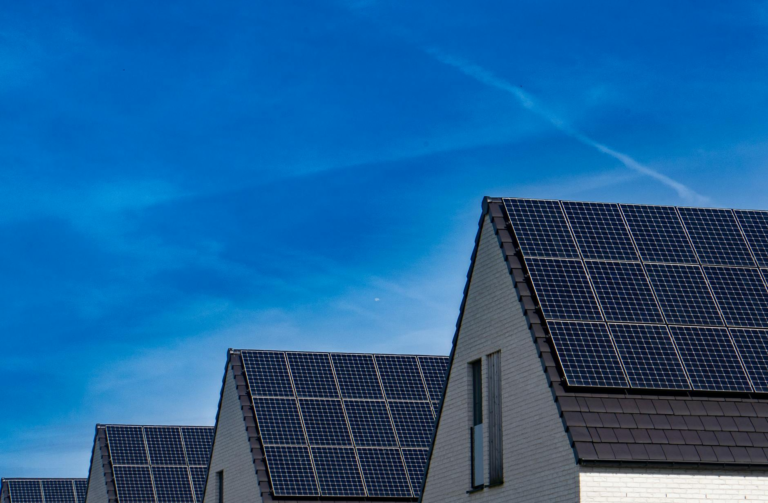
Understanding Energy Independence for Coastal Homeowners
Living along the Gulf Coast of Florida offers breathtaking sunsets, salty breezes, and a lifestyle that many dream of. Yet, the same proximity to the sea brings unique challenges—particularly when it comes to reliable electricity. Storm surges, hurricanes, and grid overloads can leave coastal residents without power for days or even weeks. This reality has sparked a growing interest in energy independence coastal homes solar solutions that promise resilience, cost savings, and a greener future.
Find us here:
Solar Cost Calculator – Florida Panhandle Only
* Estimate based on $3.25 per watt for solar installation.
* For Tesla Powerwall 3 Batteries, $15,000 for the first battery, $12,000 for each additional battery.
* Other variations and types of Batteries are available.
Why Energy Independence Matters More in Coastal Regions
Coastal regions are more vulnerable to power disruptions for three main reasons. First, the high concentration of homes near the shoreline means that a single storm can affect thousands of customers simultaneously. Second, the salt‑laden air accelerates wear on power lines and equipment, leading to more frequent outages. Third, many coastal communities rely on aging infrastructure that was never designed for the extreme weather events becoming common in the era of climate change. For homeowners, achieving energy independence coastal homes solar is not just an environmental choice—it’s a practical strategy for safety and continuity.
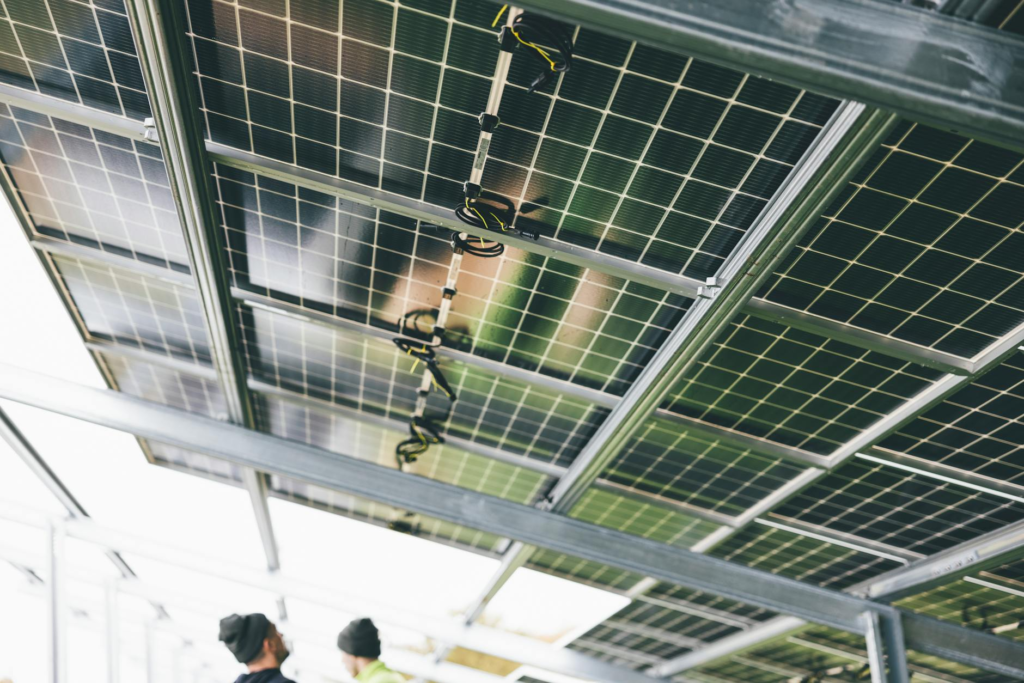
Resilience During Hurricanes and Tropical Storms
When a hurricane makes landfall, the electric grid can be knocked offline for days. Solar panels paired with battery storage allow a home to generate and store its own electricity, providing lights, refrigeration, and communication tools when the grid is down. This self‑sufficiency can be a lifesaver, especially for families with medical equipment or small businesses that cannot afford prolonged downtime.
Financial Benefits Over Time
Beyond resilience, energy independence coastal homes solar reduces monthly utility bills. In the Florida Panhandle, sunlight is abundant year‑round, delivering an average of 5.5 peak sun hours per day. Over the lifespan of a typical 10‑kilowatt system, homeowners can save tens of thousands of dollars, especially when factoring in federal tax credits, state rebates, and net‑metering programs that credit excess production back to the grid.
Key Advantages of Solar for Coastal Homes
- Enhanced energy security during grid outages
- Reduced exposure to rising utility rates
- Lower carbon footprint and contribution to climate mitigation
- Increased property value in a competitive real‑estate market
- Eligibility for federal, state, and local incentives
Financial Incentives Specific to the Florida Panhandle
The state of Florida offers several programs that make solar investments more affordable for coastal residents. The Florida Solar Energy System Incentives Program provides a rebate based on system size, while the federal Investment Tax Credit (ITC) currently allows a 30% credit on qualified solar installations. Additionally, many utilities in Destin, Navarre Beach, and Panama City Beach participate in net‑metering, allowing homeowners to offset their electricity bills with excess solar generation.
Choosing the Right Solar System for Your Coastal Home
When evaluating solar options, coastal homeowners should prioritize equipment that can withstand salty air and high winds. Look for panels with corrosion‑resistant frames, marine‑grade mounting hardware, and inverters that have proven performance in humid environments. Pairing the array with a lithium‑ion battery system provides the most efficient storage solution, delivering higher depth‑of‑discharge and longer life cycles compared to traditional lead‑acid batteries.
Maintenance Considerations for Coastal Solar Installations
Regular maintenance is essential to keep a solar system operating at peak efficiency, especially in salty coastal air that can accelerate corrosion. Simple steps such as rinsing panels with fresh water after a storm, inspecting mounting brackets for rust, and scheduling annual professional checks can extend the life of the system. Many solar providers now offer maintenance contracts tailored for coastal properties, ensuring that the system remains resilient year after year.
Comparing Traditional Grid Power vs. Solar + Storage
| Factor | Traditional Grid | Solar + Storage |
|---|---|---|
| Reliability During Storms | Often disrupted | High—self‑generated power |
| Monthly Cost | Variable, increasing | Reduced after payback |
| Environmental Impact | Higher emissions | Zero‑emission generation |
Case Studies: Real‑World Success in Destin, Navarre Beach, and Panama City Beach
Several families in the Florida Panhandle have already embraced energy independence coastal homes solar and are reaping the rewards. In Destin, a beachfront property installed a 12‑kilowatt system with a 20‑kilowatt‑hour battery. After the 2023 hurricane season, the home remained fully powered while neighboring houses experienced prolonged outages. In Navarre Beach, a community association pooled resources to install a shared solar array, lowering collective electricity costs by 45% and providing backup power for a local emergency shelter. Meanwhile, in Panama City Beach, a small business owner leveraged solar to keep his restaurant’s refrigeration running during a grid failure, preserving perishable inventory and avoiding costly spoilage.
Step‑by‑Step Guide to Achieve Energy Independence with Solar
- Assess Your Home’s Solar Potential – Use a sunlight calculator or consult a local installer to determine the optimal system size.
- Choose Marine‑Grade Equipment – Select panels, racking, and inverters rated for coastal conditions.
- Explore Incentives – Apply for federal ITC, state rebates, and utility net‑metering credits.
- Design a Battery Storage Plan – Size the battery to meet essential load during outages.
- Obtain Permits and Approvals – Work with your municipality to ensure compliance with local codes.
- Install the System – Hire a certified installer experienced with coastal projects.
- Monitor Performance – Use a solar monitoring app to track generation and storage.
- Maintain Regularly – Schedule annual inspections and clean panels after storms.
Frequently Asked Questions About Solar for Coastal Homes
- Will salt air damage solar panels? High‑quality panels with anodized frames resist corrosion. Regular rinsing with fresh water helps maintain performance.
- Can solar panels survive high winds? Panels rated for 130 mph winds are common and meet Florida’s building codes for hurricane zones.
- How long does a solar system last? Most panels have a 25‑year performance warranty; batteries typically last 10‑15 years depending on usage.
- Do I need a battery to achieve energy independence? While not mandatory, batteries provide critical backup during outages, turning solar generation into true independence.
Future Outlook: Solar Innovation for the Gulf Coast
Advancements in solar technology are poised to make energy independence coastal homes solar even more accessible. Emerging products such as bifacial panels, which capture sunlight from both sides, and integrated solar roofing tiles blend aesthetics with performance, reducing the visual impact on historic coastal neighborhoods. Additionally, community solar projects are gaining momentum, allowing renters and homeowners without suitable roofs to participate in clean energy generation and share in the financial benefits.
As climate resilience becomes a top priority for coastal municipalities, policies encouraging renewable energy adoption are expected to strengthen. This regulatory support, combined with falling equipment costs, suggests that the next decade will see a surge in solar installations across Destin, Navarre Beach, and Panama City Beach.
Take the First Step Toward Energy Independence Today
If you own a home along Florida’s beautiful Gulf Coast, now is the perfect time to explore how solar can give you the freedom and security you deserve. By investing in a robust, marine‑grade solar system, you not only protect your family during storms but also contribute to a cleaner, more sustainable future for your community.
Ready to start? Contact a local, certified solar installer to evaluate your property, discuss financing options, and design a solution that aligns with your lifestyle and resilience goals.
Embracing energy independence coastal homes solar is more than a trend—it’s a strategic move toward lasting peace of mind in the face of an ever‑changing climate.
Conclusion: Coastal homeowners in Destin, Navarre Beach, and Panama City Beach are discovering that solar power offers unmatched resilience, cost savings, and environmental stewardship. By choosing the right equipment, leveraging available incentives, and committing to regular maintenance, you can achieve true energy independence and safeguard your home against future storms.
