



Why Solar Data Is a Game Changer for Homeowners
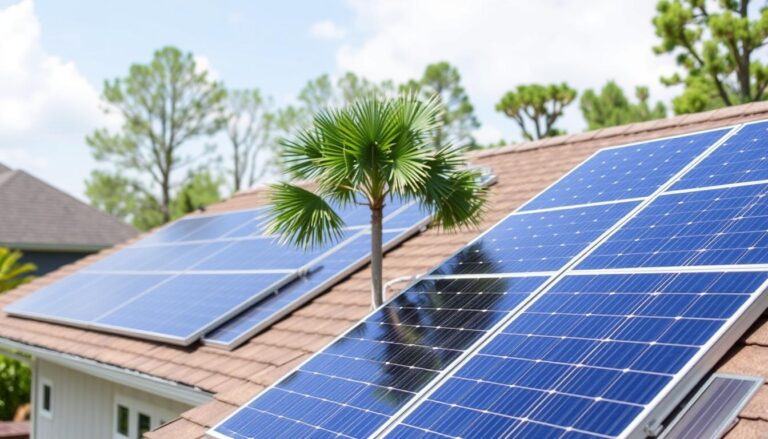
When a solar array goes live on a Florida Panhandle roof, the flow of real‑time production data does more than just show how many kilowatt‑hours are being captured. That same data shines a light on the hidden inefficiencies that exist inside the house. By comparing the amount of sunlight that hits the panels with the electricity that actually makes it to the utility meter, homeowners can pinpoint where energy is being lost before it ever reaches the inverter. In other words, solar becomes a diagnostic tool that reveals home energy weak points solar installations expose. This insight is especially valuable in a climate where cooling loads dominate and every watt saved translates into lower bills and a smaller carbon footprint.
Find us here:
Solar Cost Calculator – Florida Panhandle Only
* Estimate based on $3.25 per watt for solar installation.
* For Tesla Powerwall 3 Batteries, $15,000 for the first battery, $12,000 for each additional battery.
* Other variations and types of Batteries are available.
From Panels to the Power Bill: The Data Journey
The first piece of information a solar system provides is a clear picture of how much energy the sun is delivering to the panels each hour of the day. Modern inverters log this data in 15‑minute intervals, which can be exported to a smartphone app or a web portal. When you overlay that production curve with your home’s consumption curve, gaps appear wherever the house draws more power than the solar system supplies. Those gaps are often the direct result of home energy weak points solar monitoring helps uncover, such as poor insulation, air leaks, or oversized appliances that run continuously.
Spotting Insulation Gaps with Solar Insights
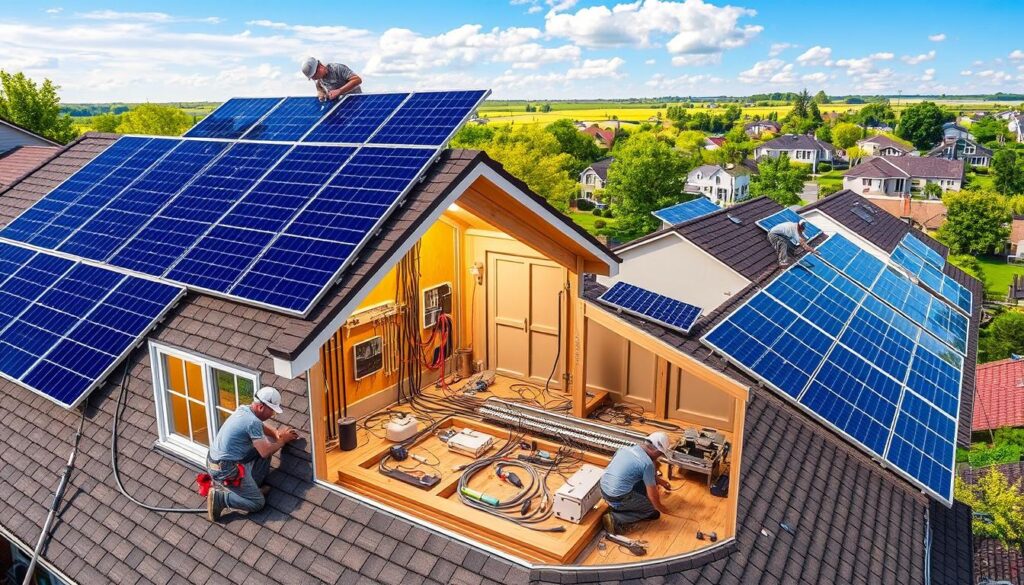
Insulation is the first line of defense against heat loss in winter and heat gain in summer. In the Panhandle, where summer temperatures regularly climb above 90 °F, inadequate attic or wall insulation forces the air‑conditioning system to work harder. Solar production data can reveal this problem when you notice a steady increase in daytime electricity use despite a healthy output from the panels. If the AC is pulling more power during the hottest hours, it often means the house is not retaining cooled air efficiently. By conducting a simple infrared scan or a DIY blanket test after the sun sets, you can verify whether the home energy weak points solar analysis was pointing to insufficient insulation.
Understanding Air Leakage and Its Cost
Air leakage is another common culprit that solar data brings to the surface. Even a small crack around a window or a gap in the ductwork can let conditioned air escape, forcing the HVAC system to run longer. When you compare the solar generation chart with the utility meter, you might see a pattern where the house draws a noticeable amount of power during mild evenings—times when the system should be idle. That “phantom load” is a classic sign of uncontrolled air movement. Sealing gaps with weatherstripping, caulk, or expanding foam can dramatically reduce the home energy weak points solar reports have identified.
Assessing HVAC Load Through Production Metrics
Heating, ventilation, and air‑conditioning units are typically the single largest energy consumers in a Florida home. Solar panels, however, generate the most electricity during the peak sun hours when the AC is also working hardest. By examining the correlation between panel output and HVAC runtime, you can gauge whether the system is properly sized. If the solar system consistently covers only 40 % of the AC’s demand, it could indicate an oversized unit, which runs inefficiently, or a lack of zoning controls that cause unnecessary cooling of unoccupied rooms. Addressing these home energy weak points solar findings might involve upgrading to a variable‑speed blower or installing smart thermostats.
Identifying Outdated or Inefficient Appliances
Beyond the big systems, individual appliances can also be sources of hidden waste. Solar data often shows spikes in consumption that align with the operation of older refrigerators, water heaters, or pool pumps. Because the panels produce the most power in the early afternoon, a spike at 2 p.m. that coincides with a high‑capacity pool pump suggests the pump is drawing more than necessary. Replacing such appliances with ENERGY STAR models or installing timers to shift their operation to off‑peak hours can smooth out the demand curve and eliminate another set of home energy weak points solar diagnostics highlight.
The Role of Sunlight Patterns in Detecting Weak Points
Not all solar data anomalies stem from interior issues. The angle and shading of your roof can create false negatives that mimic inefficiencies. For example, a tree that casts a shadow over a portion of the array during the late afternoon will reduce production precisely when the AC is ramping up. This mismatch can be misinterpreted as a house‑wide energy leak. By reviewing the solar irradiance map provided by most monitoring platforms, you can differentiate between external shading problems and genuine home energy weak points solar observations. Trimming trees or repositioning panels can often resolve these apparent discrepancies.
How to Prioritize Fixes Based on Solar Findings
Once you have a list of potential weak points, the next step is to prioritize them for remediation. A practical approach is to rank each issue by its estimated energy loss, cost to fix, and impact on comfort. Solar data gives you a quantitative basis for this ranking: a 5 % reduction in overall consumption translates to roughly 600 kWh saved per year in an average Panhandle home, which can be directly tied to dollar savings. Focus first on the low‑cost, high‑impact items—like sealing cracks and adding attic insulation—before moving on to larger investments such as upgrading HVAC equipment.
DIY Checks vs. Professional Audits
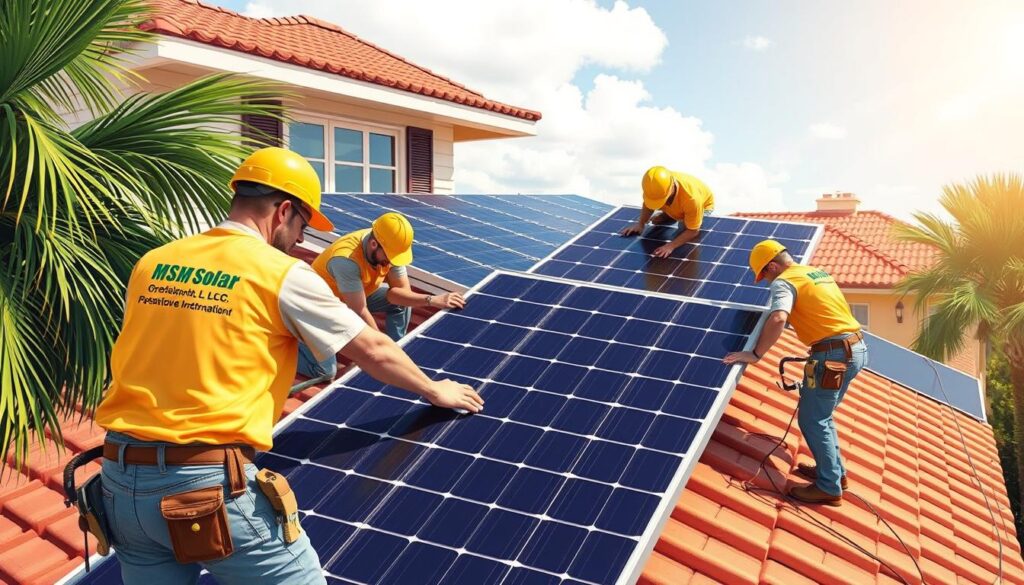
Many homeowners can address the most obvious home energy weak points solar revelations on their own, using tools like infrared cameras, smoke pencils, and power meters. However, for deeper issues—such as duct leakage hidden behind walls or complex wiring problems—a certified energy auditor brings specialized equipment and expertise. The decision to go DIY or hire a professional often hinges on the severity of the solar data alerts and the homeowner’s comfort level with technical tasks. Remember, a professional audit can also validate the accuracy of your solar monitoring, ensuring that the data you’re interpreting truly reflects the house’s performance.
Financing Improvements When Solar Shows the Way
One of the advantages of having a solar system already in place is the ability to leverage its production as a financing catalyst. Many lenders view homes with solar as lower‑risk investments, which can unlock better loan terms for energy‑efficiency upgrades. Additionally, some utility programs offer rebates that are triggered when a homeowner demonstrates a measurable reduction in consumption, as proven by solar data. By documenting the before‑and‑after performance of your home, you can make a compelling case for funding upgrades that address the identified weak points.
Quick Reference: Common Weak Points and Their Solar Indicators
| Weak Point | Solar Indicator |
|---|---|
| Insufficient attic insulation | Higher daytime consumption despite strong panel output |
| Air leaks around doors/windows | Unexpected evening draw when HVAC should be idle |
| Oversized HVAC system | Solar covers < 50 % of AC load during peak sun |
| Old appliances | Sharp consumption spikes aligning with appliance use |
| Shading from trees | Drop in panel production that matches shading times |
Step‑by‑Step Action Plan
- Log into your solar monitoring portal and note the daily production vs. consumption curves.
- Identify the times where consumption exceeds production by the largest margin.
- Match those periods to household activities (cooling, appliance use, lighting).
- Perform a visual inspection of insulation, sealing, and shading during those peak times.
- Prioritize fixes that address the biggest gaps first.
- Implement low‑cost solutions (weatherstripping, attic blankets) and re‑measure.
- Consider professional audit if gaps persist after DIY steps.
Long‑Term Benefits of Addressing Weak Points
Beyond immediate bill reductions, fixing the home energy weak points solar reveals can extend the lifespan of both your solar system and the home’s mechanical equipment. A well‑sealed envelope reduces the workload on the HVAC, leading to fewer repairs and a slower degradation of inverter efficiency. Moreover, a more efficient home retains a higher resale value, as prospective buyers increasingly look for properties with proven energy performance. In the Florida Panhandle market, homes that combine solar generation with documented energy‑efficiency upgrades often command a premium.
Conclusion
Solar panels do more than generate clean electricity; they act as a continuous audit of your home’s performance. By paying close attention to the patterns they reveal, Florida Panhandle homeowners can uncover and remedy the hidden home energy weak points solar monitoring brings to light, resulting in lower bills, greater comfort, and a stronger property value.
