


Understanding the Need for Future‑Ready Solar Installations
Homeowners in growing Florida communities such as Crestview, Navarre, and Lynn Haven are increasingly turning to solar power as a reliable, cost‑effective energy source. However, many installations are planned without a clear view of how the property might evolve over the next decade. Adding a new bedroom, expanding a garage, or converting a basement into a home office can dramatically alter a household’s energy demand. When a solar system is sized only for the current load, future upgrades can lead to under‑performance, increased reliance on the grid, or the need for costly retrofits. That’s why a future proof solar system design is essential—it anticipates growth, protects the homeowner’s investment, and ensures the system remains efficient for years to come.
Find us here:
Solar Cost Calculator – Florida Panhandle Only
* Estimate based on $3.25 per watt for solar installation.
* For Tesla Powerwall 3 Batteries, $15,000 for the first battery, $12,000 for each additional battery.
* Other variations and types of Batteries are available.
Key Factors That Influence Future Home Energy Needs
Before any solar panels are ordered, it’s crucial to assess the variables that could shift a home’s power consumption. These factors include:
- Planned square‑footage additions or new structures on the property.
- Installation of high‑energy appliances such as electric vehicle chargers, heat pumps, or pool equipment.
- Changes in household composition, like adding family members or creating a home‑based business.
- Local climate trends that may affect heating and cooling loads.
- Potential upgrades to smart home technology that increase overall electricity use.
Each of these considerations can push the energy demand beyond the capacity of a system that was sized solely for today’s needs. By incorporating these variables into the planning stage, a homeowner can achieve a future proof solar system design that remains aligned with evolving lifestyle requirements.
Why Home Expansions in Crestview, Navarre, and Lynn Haven Matter
The Gulf Coast region is experiencing a building boom. In Crestview, new subdivisions are adding dozens of homes each year, many of which include larger lot sizes and optional accessory dwelling units (ADUs). Navarre’s waterfront properties often undergo renovations to accommodate larger families or rental opportunities, while Lynn Haven is seeing a rise in multi‑generational households. All of these trends directly impact electricity consumption patterns. If a solar installer overlooks these local dynamics, the resulting system may quickly become undersized, forcing the homeowner to purchase additional panels or pay higher utility bills.
Integrating local growth trends into the design process is a cornerstone of a future proof solar system design. It allows the system to scale gracefully, whether the homeowner decides to add a sunroom, install an EV charger, or simply upgrade to a more powerful HVAC system.
Case Study: A Family Home in Navarre
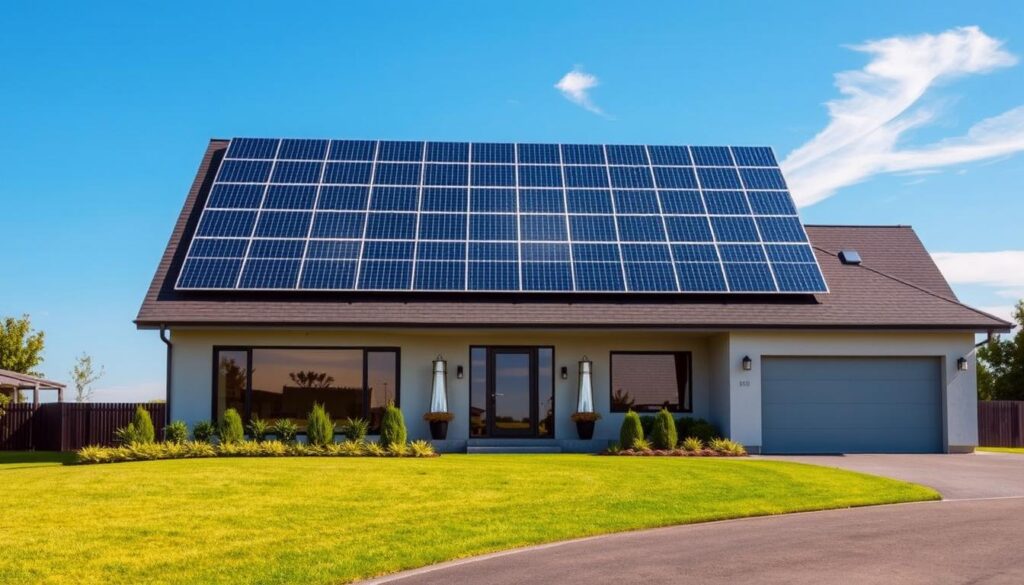
Consider a typical four‑bedroom home in Navarre that initially consumes 8,000 kWh per year. The owner installs a 6 kW solar array based on current usage. Two years later, the family decides to add a guest suite and an electric vehicle charger, pushing the annual demand to roughly 12,000 kWh. Because the original system was not designed with expansion in mind, the home now draws an additional 30 % from the grid, eroding the expected savings.
Had the installer performed a future proof solar system design analysis, they might have recommended a 9 kW system with extra inverter capacity, allowing the homeowner to accommodate the new loads without a major upgrade. This proactive approach saves both time and money, and it preserves the environmental benefits of solar energy.
Steps to Create a Future‑Proof Solar System Design
Developing a solar solution that stands the test of time involves a systematic process. Below are the essential steps every homeowner and installer should follow:
- Conduct a Detailed Energy Audit: Use past utility bills and projected lifestyle changes to estimate future consumption.
- Map Out Potential Property Additions: Work with architects or contractors to understand the square footage and energy load of planned expansions.
- Choose Scalable Equipment: Select inverters and mounting systems that can accommodate additional panels without major re‑engineering.
- Plan for Battery Storage: Even if not needed immediately, reserve space and wiring for future battery integration.
- Factor in Local Incentives: Some rebates are tiered based on system size; a larger, forward‑looking design may qualify for higher incentives.
Following these guidelines helps ensure the resulting installation aligns with the concept of a future proof solar system design. It also provides peace of mind that the system will continue to meet energy goals as the home evolves.
Comparing Traditional vs. Future‑Proof Solar Approaches
| Aspect | Traditional Design | Future‑Proof Design |
|---|---|---|
| System Sizing | Based only on current load. | Includes projected load growth. |
| Equipment Selection | Standard inverters, limited expansion. | Scalable inverters, modular mounting. |
| Upgrade Costs | Often require major retrofits. | Minimal additional panels or battery. |
The table above highlights how a forward‑thinking strategy reduces long‑term expenses and operational disruptions. By planning for future needs, homeowners avoid the pitfalls of an undersized system and maintain the financial and environmental benefits of solar power.
Financial Benefits of Planning Ahead
While the upfront cost of a slightly larger system may be higher, the return on investment (ROI) improves dramatically when future expansions are considered. A larger system generates more electricity from day one, reducing utility bills immediately. Moreover, when the home later expands, the system already has the capacity to meet the new demand, avoiding the need for additional capital outlay. In many cases, the extra kilowatts can be financed through local incentives or low‑interest solar loans, making the overall financial impact negligible.
In addition, a future proof solar system design can increase the resale value of a property. Prospective buyers in Crestview, Navarre, and Lynn Haven often view a robust solar installation as a premium feature, especially if the system appears capable of handling future upgrades.
Technical Considerations for Scalable Solar Installations
From a technical perspective, there are several components that lend themselves to scalability:
- String Inverters vs. Micro‑Inverters: Micro‑inverters allow each panel to operate independently, making it easier to add panels later without re‑configuring the entire array.
- Mounting Systems: Choose rack designs that include extra rails or adjustable brackets for future panel placement.
- Wiring Conduits: Run larger conduit sizes than currently needed; this provides space for additional wiring without opening walls later.
- Battery Integration: Install a dedicated battery cabinet or allocate space in the garage for future storage solutions.
By incorporating these technical choices, installers can deliver a future proof solar system design that remains adaptable, efficient, and compliant with evolving electrical codes.
Regulatory and Permit Implications
Local building departments in the Gulf Coast region may require updated permits for system expansions. When the original design anticipates growth, the permit process is streamlined because the necessary conduit sizes, roof load calculations, and structural assessments have already been documented. This reduces administrative delays and keeps the project timeline on track.
Environmental Impact of a Thoughtful Design
Solar energy is already a clean alternative to fossil fuels, but a system that must be replaced or significantly upgraded creates additional waste—both in terms of discarded panels and the energy used for manufacturing new equipment. By opting for a future proof solar system design, homeowners minimize the environmental footprint of their renewable energy journey. The longer a system remains functional without major changes, the greater the cumulative reduction in carbon emissions.
Moreover, a well‑sized system can support future home electrification trends, such as electric heating or larger electric vehicle fleets, further decreasing reliance on non‑renewable energy sources.
Practical Tips for Homeowners Planning Expansion
Even if you’re not ready to build an addition today, there are steps you can take now to ensure your solar investment remains robust:
- Maintain a record of current energy usage and any upcoming projects.
- Discuss future plans with your solar installer during the initial consultation.
- Ask for a system layout that includes “spare” slots for additional panels.
- Consider a battery system with expandable capacity.
- Stay informed about local incentive programs that may favor larger, forward‑looking installations.
These proactive measures align perfectly with the philosophy of a future proof solar system design and empower you to make informed decisions that protect both your wallet and the planet.
Choosing the Right Solar Partner
Not all solar installers have the expertise to deliver a truly scalable solution. Look for companies that demonstrate:
- Experience with custom system sizing based on projected home growth.
- Transparent design documentation that includes future expansion pathways.
- Ability to integrate battery storage and EV charging infrastructure from the outset.
- Strong relationships with local permitting authorities.
- Positive customer reviews that reference long‑term performance.
A partner that embraces the concept of a future proof solar system design will guide you through the entire process—from initial audit to post‑installation monitoring—ensuring the system remains a valuable asset for years to come.
Conclusion
Investing in solar power is a smart move for homeowners in Crestview, Navarre, Lynn Haven, and beyond. Yet, the true value of that investment is unlocked only when the system is designed to accommodate future changes. By embracing a future proof solar system design, you safeguard your financial commitment, enhance your home’s resale appeal, and contribute to a greener future—no matter how your living space evolves.
