



Introduction
Power outages are a reality for many residents of Northwest Florida, where hurricanes, severe storms, and grid failures can leave homes in the dark for hours or even days. Choosing the right backup power solution is not a one‑size‑fits‑all decision; it involves weighing upfront costs, ongoing maintenance, environmental impact, and how each system fits into a household’s energy habits. In this article we compare three of the most common strategies—generators, batteries, and solar—to help homeowners make an informed choice. By the end, you’ll understand the strengths and weaknesses of each option and see how “generators vs batteries vs solar” debates play out in real‑world scenarios.
Find us here:
Solar Cost Calculator – Florida Panhandle Only
* Estimate based on $3.25 per watt for solar installation.
* For Tesla Powerwall 3 Batteries, $15,000 for the first battery, $12,000 for each additional battery.
* Other variations and types of Batteries are available.
Understanding Backup Power Needs
Before diving into the specifics of each technology, it’s essential to assess your home’s power requirements. Start by listing critical loads—refrigerators, sump pumps, medical equipment, and home office gear—that must stay operational during an outage. Then calculate the total wattage needed for those devices. This baseline will guide you toward a solution that can deliver enough electricity without overspending. Remember that the duration of power loss matters: a brief 2‑hour interruption may only need a small portable generator, while a multi‑day blackout could justify a larger solar‑plus‑battery system.
Key Factors to Consider
- Peak power demand versus continuous load.
- Average length of outages in your area.
- Availability of fuel or sunlight.
- Space for equipment installation and storage.
- Budget for upfront purchase and long‑term maintenance.
Generators Overview
Generators have been the traditional backup power choice for decades. They run on gasoline, diesel, natural gas, or propane, converting fuel into electricity through an internal combustion engine. Portable generators are lightweight and can be moved where needed, while standby generators are permanently installed and automatically kick in when the grid fails. When evaluating generators vs batteries vs solar, a generator’s biggest advantage is its ability to produce high power output on demand, making it suitable for heavy loads like air conditioners and well pumps.
However, generators come with notable drawbacks. Fuel storage can be hazardous, and regular refueling is required during extended outages. Engine maintenance—including oil changes, filter replacements, and periodic load testing—adds to the total cost of ownership. Additionally, generators emit carbon dioxide, nitrogen oxides, and other pollutants, which can be a concern for environmentally conscious homeowners.
Batteries Overview
Battery backup systems, often referred to as home energy storage, store electricity that can be drawn on during an outage. Most modern residential batteries use lithium‑ion chemistry, offering high energy density, fast response times, and relatively low maintenance. When paired with a solar array, batteries can provide a completely off‑grid capability; even without solar, they can be charged from the grid during off‑peak hours to reduce electricity bills.
The primary limitation of batteries is capacity. A typical 10‑kWh residential battery can run essential lights, a few outlets, and a small refrigerator for a night, but it won’t sustain high‑draw appliances for long periods. Batteries also have a finite lifespan measured in charge‑discharge cycles, usually ranging from 5 to 15 years depending on usage and temperature. Still, for homeowners who prioritize quiet operation and zero emissions, batteries are an attractive component of the “generators vs batteries vs solar” conversation.
Solar Overview
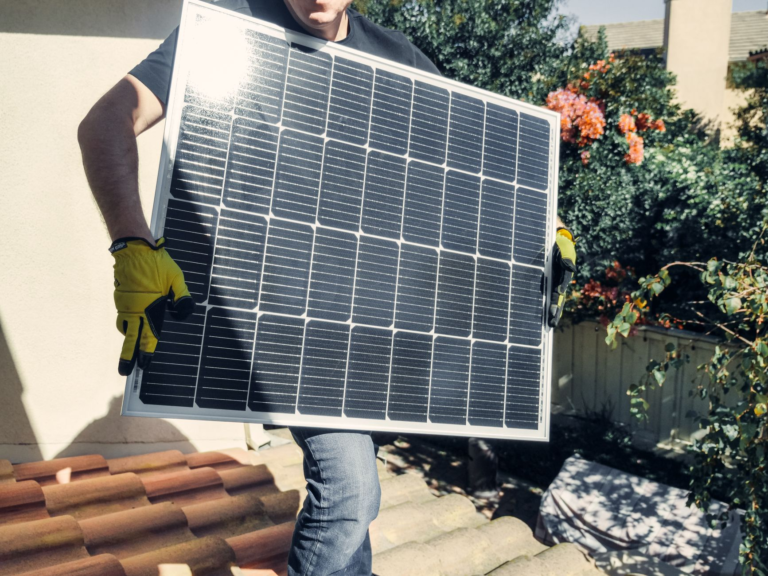
Solar photovoltaic (PV) panels convert sunlight directly into electricity, offering a renewable source of power that can reduce reliance on the utility grid. In a backup context, solar can be paired with a battery system to store excess daytime generation for nighttime use, or it can be configured with a grid‑tied inverter that automatically supplies power when the grid goes down (subject to local regulations and the presence of a transfer switch).
Solar’s biggest advantage is its ability to produce free electricity after the initial installation cost, which can be especially valuable in sunny regions of Northwest Florida. However, solar output fluctuates with weather, shading, and seasonal sun angles. Without a battery, solar alone cannot guarantee power during an outage that occurs at night or during extended cloud cover. Therefore, many homeowners consider a hybrid approach—solar panels plus a battery—to achieve resilience while keeping emissions low.
Comparing Costs
Cost is often the deciding factor in the “generators vs batteries vs solar” debate. Below is a simplified cost comparison that reflects typical prices for a 5‑kW standby generator, a 10‑kWh lithium‑ion battery, and a 5‑kW solar PV system (including inverter and installation). Keep in mind that local incentives, fuel prices, and labor rates can shift these numbers.
| Solution | Upfront Cost (USD) | Annual Operating Cost | Typical Lifespan |
|---|---|---|---|
| Standby Generator (5 kW) | $4,500‑$7,000 | $300‑$500 (fuel & maintenance) | 15‑20 years |
| Lithium‑Ion Battery (10 kWh) | $8,000‑$12,000 | $150‑$250 (minimal maintenance) | 10‑15 years |
| Solar PV (5 kW) + Inverter | $12,000‑$18,000 | $0‑$100 (mostly monitoring) | 25‑30 years |
When you factor in potential tax credits and utility rebates for solar installations, the net cost can drop dramatically, making solar the most economical long‑term choice for many homeowners. Generators, while cheaper to purchase, incur recurring fuel expenses that can add up quickly during a prolonged outage. Batteries sit in the middle, with higher upfront costs but low ongoing expenses.
Maintenance & Lifespan
Maintenance requirements differ significantly among the three options. Generators require routine engine servicing—oil changes every 100‑200 hours, spark plug replacement, and periodic load testing to ensure reliability. Batteries need little day‑to‑day attention, but they should be kept in a temperature‑controlled environment and periodically calibrated to maintain accurate state‑of‑charge readings. Solar panels are the most hands‑off; occasional cleaning to remove debris and a yearly inverter check are usually sufficient.
Longevity is another key consideration. A well‑maintained generator can serve a home for two decades, but its efficiency may decline as components wear. Lithium‑ion batteries degrade over time, losing about 2‑5% capacity per year, which means you may need a replacement after a decade. Solar panels degrade at a much slower rate—typically around 0.5% per year—so a 25‑year warranty is common, ensuring they continue to produce meaningful power for the life of the system.
Environmental Impact
For eco‑conscious homeowners, the environmental footprint of each backup solution is a major decision driver. Generators burn fossil fuels, releasing greenhouse gases and particulate matter that contribute to air quality issues. Batteries have a manufacturing impact, especially the mining of lithium and cobalt, but they operate cleanly once installed. Solar panels generate electricity without emissions, and their energy payback period—the time needed to offset the energy used in production—is typically 1‑3 years.
When you compare “generators vs batteries vs solar,” the hierarchy of environmental friendliness generally places solar at the top, followed by batteries, with generators trailing due to their reliance on combustion. However, if the local grid is heavily powered by coal, a battery charged from that grid may not be as green as it appears. In such cases, pairing a battery with solar ensures the stored energy is truly renewable.
Choosing the Right Solution for Your Home
There is no universal answer to the “generators vs batteries vs solar” question; the best choice depends on your specific circumstances. Consider the following decision matrix:
- Frequent short outages: A portable or standby generator may be the most cost‑effective.
- Desire for silent, emission‑free power: Batteries provide instant, quiet backup for essential loads.
- Long, recurring outages with sunny climate: Solar paired with a battery delivers sustainable, long‑term resilience.
- Limited space or strict HOA rules: A compact battery or wall‑mounted solar array may fit better than a generator.
Many homeowners find that a hybrid system—combining a generator for high‑load emergencies, a battery for everyday outages, and solar for continuous clean energy—offers the most comprehensive protection. This layered approach ensures you have power when the sun isn’t shining, the grid is down, and fuel supplies are low.
Frequently Asked Questions
Can I run a generator and a battery together?
Yes. A generator can serve as a backup charger for a battery system, extending its usable capacity during extended outages. This setup is common in off‑grid homes where the generator provides fuel‑based power only when solar production is insufficient.
How long does a battery last during an outage?
The duration depends on the battery’s capacity and the home’s load. A 10‑kWh battery might run essential appliances drawing 2 kW for about five hours, whereas a lower‑capacity unit could last only one to two hours.
Do I need a permit for a standby generator?
Most municipalities in Northwest Florida require a permit for permanent generator installations, especially if they involve fuel tanks or electrical connections to the home’s main panel. Check with your local building department before proceeding.
What incentives are available for solar installations?
Federal tax credits, state rebates, and utility net‑metering programs can reduce the net cost of a solar system by up to 30% or more. Some utilities also offer additional incentives for pairing solar with battery storage.
Conclusion
When weighing generators vs batteries vs solar, the right answer hinges on your budget, outage frequency, environmental values, and space constraints. Generators deliver high power quickly but require fuel and maintenance. Batteries provide silent, clean backup for short to medium durations with minimal upkeep. Solar offers renewable, low‑operating‑cost energy but shines best when paired with storage. By assessing your home’s specific needs and considering a hybrid approach, you can build a resilient backup system that keeps your family comfortable and your lights on, no matter what the storm brings.
