



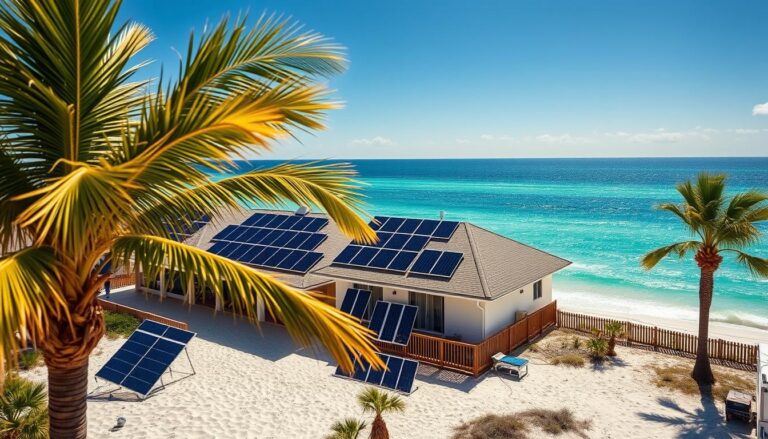
Understanding Grid Reliability and Its Growing Importance
In recent years, the conversation about electricity in the United States has shifted from simply “how much power do we have?” to “how reliable is the power we receive?” For homeowners, especially those living in the Florida Panhandle, the reliability of the grid is no longer a background concern—it’s a daily reality that influences everything from work‑from‑home schedules to the safety of medical equipment. When the lights flicker or go out altogether, the inconvenience quickly turns into a financial and emotional burden. This changing landscape is prompting many Florida Panhandle homeowners to explore alternative energy solutions, and solar power is emerging as a front‑runner. In this article we’ll unpack why grid reliability is becoming a bigger issue for homeowners, how it ties directly to the rise in solar interest, and what steps you can take to protect your home and budget.
Find us here:
Solar Cost Calculator – Florida Panhandle Only
* Estimate based on $3.25 per watt for solar installation.
* For Tesla Powerwall 3 Batteries, $15,000 for the first battery, $12,000 for each additional battery.
* Other variations and types of Batteries are available.
What Exactly Is Grid Reliability?
Grid reliability refers to the ability of the electrical network to deliver continuous, stable power without interruptions, voltage fluctuations, or frequency deviations. Utilities measure reliability using metrics such as SAIDI (System Average Interruption Duration Index) and SAIFI (System Average Interruption Frequency Index). While the national average for SAIDI hovers around 1.3 hours per customer per year, certain regions—including parts of the Southeast—experience significantly higher numbers due to aging infrastructure, extreme weather, and increasing demand.
When a grid is unreliable, the consequences ripple through a homeowner’s life. A brief outage can reset smart home devices, spoil food in refrigerators, halt work‑related video calls, and even jeopardize health‑critical equipment like home dialysis machines. As the frequency and length of outages rise, homeowners start asking: “What can I do to keep my lights on when the grid fails?” The answer often points toward self‑generation and storage—most notably, solar installations paired with battery systems.
Why Grid Reliability Is Deteriorating in the Florida Panhandle
The Florida Panhandle sits at the intersection of several stressors that erode grid reliability. First, the region’s climate is characterized by hurricane season, tropical storms, and high humidity—all of which can damage transmission lines, substations, and overhead conductors. Second, the area’s rapid population growth has outpaced upgrades to the existing distribution network, leading to congestion and higher load on aging equipment. Third, the rise in electric vehicle (EV) adoption and the proliferation of high‑consumption appliances increase peak demand, stretching the grid’s capacity during hot summer months.
Utility companies are investing billions in infrastructure hardening, but these projects take years to complete. In the meantime, homeowners experience more frequent brownouts and blackouts. This growing instability is directly fueling the curiosity of Florida Panhandle homeowners about solar options—especially when they realize that solar can provide a degree of independence from a grid that is increasingly unpredictable.
How Grid Instability Affects Homeowners’ Daily Lives
- Interrupted work‑from‑home productivity due to loss of internet connectivity.
- Increased food waste from refrigerator and freezer outages.
- Higher utility bills caused by “demand spikes” during restoration periods.
- Potential safety hazards, such as non‑functioning security systems or medical devices.
- Reduced property value perception when a neighborhood is known for frequent outages.
Beyond these immediate inconveniences, there’s a longer‑term financial impact. Frequent outages can lead to higher maintenance costs for appliances that are repeatedly stressed by power fluctuations. Homeowners may also face higher insurance premiums in regions where utilities struggle to maintain consistent service. These hidden costs make the case for exploring grid‑independent energy solutions more compelling than ever.
Solar Power as a Response to Grid Reliability Concerns
Solar energy offers a two‑fold advantage for homeowners dealing with unreliable grid conditions. First, photovoltaic (PV) panels generate electricity during daylight hours, reducing the amount of power drawn from the utility grid. Second, when paired with a battery storage system, solar can supply power during an outage, effectively turning a home into a micro‑grid. This combination directly addresses the core worry of many Florida Panhandle homeowners: “What happens when the grid goes down?” By installing a solar‑plus‑storage system, homeowners can maintain essential loads—lights, refrigeration, medical equipment—without relying on a faltering utility network.
When we talk about grid reliability homeowners solar decisions, the conversation isn’t just about environmental stewardship; it’s about resilience, cost control, and peace of mind. A well‑designed solar system can shave 30‑60% off monthly electricity bills while also providing a reliable backup during emergencies. Moreover, the technology has matured to the point where most residential installations can be sized to meet a household’s typical daily consumption, making the transition smoother and more financially predictable.
Key Benefits of Solar for Homeowners Facing Grid Challenges
- Energy Independence: Generate your own power and reduce reliance on an unpredictable grid.
- Backup Capability: Battery storage ensures critical loads stay powered during outages.
- Cost Savings: Lower utility bills and potential revenue from net metering.
- Increased Home Value: Solar installations are a desirable feature for future buyers.
- Environmental Impact: Reduce carbon footprint while enhancing energy security.
Comparing Outage Statistics: Florida Panhandle vs. National Average
| Region | Average SAIDI (hours/year) | Average SAIFI (interruptions/year) |
|---|---|---|
| Florida Panhandle | 2.8 | 2.3 |
| National Average (U.S.) | 1.3 | 1.4 |
The table above highlights that the Florida Panhandle experiences more than double the average outage duration compared to the national benchmark. This statistical reality underscores why many homeowners in the area are actively researching solar solutions. When you factor in the growing frequency of extreme weather events, the argument for solar becomes even more compelling.
Financial Incentives That Make Solar Attractive
Beyond the reliability advantages, the financial landscape for solar in Florida is favorable. Federal tax credits currently allow homeowners to claim 30% of the total system cost, while the state offers property tax exemptions for solar installations. Many utilities also provide net‑metering programs that credit excess generation back to the homeowner’s account, effectively turning the roof into a revenue‑producing asset. When you combine these incentives with the savings from reduced grid reliance, the payback period for a typical 6‑kW residential system can shrink to under eight years.
Steps to Evaluate Solar Options for Your Home
- Assess Your Energy Usage: Review past utility bills to determine average daily consumption.
- Conduct a Site Survey: Evaluate roof orientation, shading, and structural integrity.
- Choose the Right System Size: Match the PV array to your consumption patterns and backup needs.
- Consider Battery Storage: Decide on capacity based on critical loads you want to keep running during outages.
- Get Multiple Quotes: Compare pricing, warranties, and installer reputations.
- Review Incentives: Verify eligibility for federal, state, and local programs.
By following these steps, Florida Panhandle homeowners can make an informed decision that balances upfront costs with long‑term reliability benefits. Remember, the goal isn’t just to install solar for the sake of it; it’s to create a resilient energy system that directly addresses the grid reliability challenges you face each day.
Future Outlook: What’s Next for Grid Reliability and Residential Solar?
Looking ahead, the trend points toward a more decentralized energy landscape. Utilities are beginning to incorporate distributed energy resources (DERs) into their planning, and some are even offering programs that allow homeowners to sell stored energy back to the grid during peak demand periods. As battery technology continues to improve—offering higher energy density, longer lifespans, and lower costs—the synergy between solar panels and storage will become even stronger. For homeowners, this means that investing in solar today not only mitigates current grid reliability concerns but also positions them to benefit from emerging grid‑interactive programs.
In summary, the escalating issues of grid reliability are reshaping how Florida Panhandle homeowners think about energy. The combination of frequent outages, rising demand, and climate‑related stressors is driving a surge in interest for solar solutions that can provide both cost savings and dependable backup power. By understanding the factors that affect grid reliability, leveraging available incentives, and carefully planning a solar installation, homeowners can transform a vulnerable situation into an opportunity for greater energy independence.
Conclusion: As grid reliability continues to be a bigger issue for homeowners, especially in regions like the Florida Panhandle, solar power emerges as a practical and resilient solution. By taking proactive steps now, you can secure a more reliable energy future for your home and family.
