



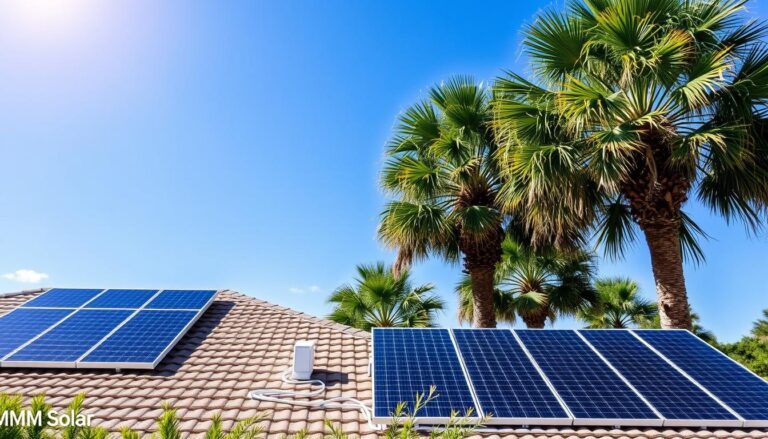
Why Solar Panels Matter in the Florida Panhandle
The Florida Panhandle enjoys abundant sunshine year‑round, making it one of the most attractive regions in the United States for residential solar installations. Homeowners are increasingly turning to solar panels to lock in lower electricity rates, improve energy independence, and boost property value. In a market where buyers are savvy about sustainability, a well‑documented solar system can be a decisive selling point. However, the excitement of a new clean‑energy system can quickly turn into a hurdle if the home inspection solar panels process uncovers deficiencies. Understanding what inspectors look for after a solar array is installed helps sellers prepare, avoid costly repairs, and keep the transaction moving smoothly.
Find us here:
Solar Cost Calculator – Florida Panhandle Only
* Estimate based on $3.25 per watt for solar installation.
* For Tesla Powerwall 3 Batteries, $15,000 for the first battery, $12,000 for each additional battery.
* Other variations and types of Batteries are available.
The Role of a Home Inspection After Solar Installation
Once a solar system is live, the next step in a real‑estate transaction is the standard home inspection. While the inspector’s primary focus remains on the structure, electrical, and safety aspects of the house, the presence of solar panels adds a new layer of complexity. Inspectors are tasked with verifying that the system complies with local codes, that it does not compromise the roof’s integrity, and that all electrical connections are safe and properly labeled. In the Florida Panhandle, where high winds and heavy rain are common, the inspection also emphasizes the durability of mounting hardware and the waterproofing of roof penetrations. A thorough home inspection solar panels review can reveal issues that, if left unaddressed, might affect insurance, resale value, or even the system’s performance.
Electrical System Review
Inspectors begin by examining the electrical side of the solar installation. This includes the inverter, disconnects, conduit runs, and the integration with the home’s main service panel. They verify that all connections are tight, that proper grounding is in place, and that the system uses approved wire gauges for the current it carries. In the Florida Panhandle, code compliance with the National Electrical Code (NEC) and local amendments is non‑negotiable. Any signs of overheating, exposed conductors, or missing labeling are flagged immediately. Because the home inspection solar panels process scrutinizes these elements, homeowners should ensure a licensed electrician has performed a final sign‑off before the buyer’s inspection.
- Inverter location and ventilation
- Properly sized disconnect switches
- Labeling of all solar circuits
- Grounding electrode system integrity
- Conduit type and secure fastening
Structural and Roof Assessment
The roof is the most visible part of any solar installation, and inspectors pay close attention to how panels are mounted. They look for signs of water intrusion around mounting brackets, the condition of flashing, and the overall load distribution on roof framing members. In the high‑wind environment of the Panhandle, inspectors also evaluate whether the mounting system meets the required wind‑uplift ratings. A properly installed system should not compromise the roof’s warranty, and any gaps or improperly sealed penetrations can lead to leaks that damage interior finishes. Including the phrase home inspection solar panels in the inspector’s report signals that these roof‑related concerns have been thoroughly evaluated.
- Flashing and sealant condition
- Mounting hardware torque specifications
- Roof deck reinforcement where needed
- Clearance from roof edges and chimneys
- Documentation of any roof warranty impacts
Permits and Documentation
Before any physical inspection begins, the inspector will request proof that the solar installation was permitted and inspected by the local building department. This paperwork confirms that the system complies with zoning, fire safety, and electrical codes. Missing permits are a red flag and can delay closing or require retroactive approvals, which may be costly. Homeowners should have the original permit, final inspection sign‑off, and any manufacturer certifications on hand. When the home inspection solar panels checklist includes these documents, the transaction proceeds with confidence that the installation is legally sound.
Common Issues Inspectors Spot
Even with professional installation, certain recurring problems tend to surface during a home inspection solar panels visit. Understanding these common pitfalls helps sellers address them proactively. Inspectors often note inadequate waterproofing around roof penetrations, loose or undersized mounting brackets, and wiring that runs too close to combustible materials. In some cases, the inverter is placed in an area without sufficient ventilation, leading to overheating concerns. Additionally, mismatched system components—such as a mismarked AC disconnect—can cause confusion for future maintenance. By anticipating these issues, homeowners can arrange corrective work before the inspection, saving time and money.
Improper Mounting and Penetrations
Mounting hardware that is not correctly anchored can cause panels to shift during a storm, creating gaps that allow water to seep into the roof deck. Inspectors look for signs of rust, stripped bolts, or missing washers that could compromise the system’s structural integrity. In the Florida Panhandle’s hurricane‑prone zones, the mounting system must meet specific wind‑load criteria. If the inspector finds any deficiencies, they will recommend immediate reinforcement or replacement of the affected components.
Wiring Hazards
Electrical wiring associated with solar arrays must be protected from physical damage and moisture. Inspectors check that conduit is properly sealed, that wires are not routed through attic spaces without adequate protection, and that all connections are secured with approved connectors. Over‑sized or undersized conductors can lead to voltage drops or overheating, respectively. Any exposed conductors or missing conduit sleeves are flagged as safety hazards that need correction before the home can be listed.
Inverter Placement Concerns
The inverter is the heart of a solar system, converting DC power to usable AC electricity. Inspectors verify that the inverter is installed in a location with sufficient airflow, away from direct sunlight, and protected from flooding. In the humid climate of the Panhandle, inadequate ventilation can cause the inverter to overheat, reducing efficiency and shortening its lifespan. If the inspector notes that the inverter is placed in a cramped utility closet or near a water source, they will advise relocation or additional ventilation measures.
Checklist for Homeowners Preparing for Inspection
To streamline the home inspection solar panels process, homeowners should run through a pre‑inspection checklist. This ensures that all visible and hidden aspects of the solar system are ready for scrutiny, reducing the likelihood of surprise findings that could stall a sale.
- Gather all permits, final inspection reports, and manufacturer warranties.
- Verify that all mounting bolts are tightened to the specified torque.
- Inspect roof flashing and reseal any gaps with a high‑quality sealant.
- Ensure all wiring is secured within conduit and labeled clearly.
- Check inverter ventilation; clean filters and clear surrounding debris.
- Confirm that disconnect switches are accessible and clearly marked.
- Take photos of the installation for documentation and marketing purposes.
Sample Inspection Findings Table
| Finding | Severity | Recommended Action |
|---|---|---|
| Improperly sealed roof penetrations | High | Re‑apply flashing and sealant; obtain re‑inspection. |
| Inverter located in non‑ventilated closet | Medium | Install ventilation grilles or relocate inverter. |
| Loose mounting bolts on panels | Low | Tighten to manufacturer torque specifications. |
How to Address Findings Quickly
When an inspector flags an issue, time is of the essence. Engage a licensed solar contractor or qualified electrician to correct any deficiencies promptly. For roof‑related concerns, a reputable roofing company familiar with solar installations should handle flashing repairs and sealant work. Electrical problems require a certified electrician who can verify code compliance and update labeling. Document all corrective work with receipts and updated permits, then share these records with the buyer’s agent to demonstrate that the system now meets all standards. Acting swiftly not only preserves the sale timeline but also reinforces buyer confidence in the property’s overall condition.
Conclusion
In the Florida Panhandle, solar panels are a valuable asset that can set a home apart in a competitive market. However, the home inspection solar panels phase is critical to ensure the system’s safety, code compliance, and long‑term performance. By understanding what inspectors look for—electrical integrity, roof mounting quality, proper documentation, and common pitfalls—sellers can prepare in advance, resolve issues quickly, and keep their transaction on track. A well‑maintained solar installation not only protects the buyer’s investment but also showcases the homeowner’s commitment to quality and sustainability.
