



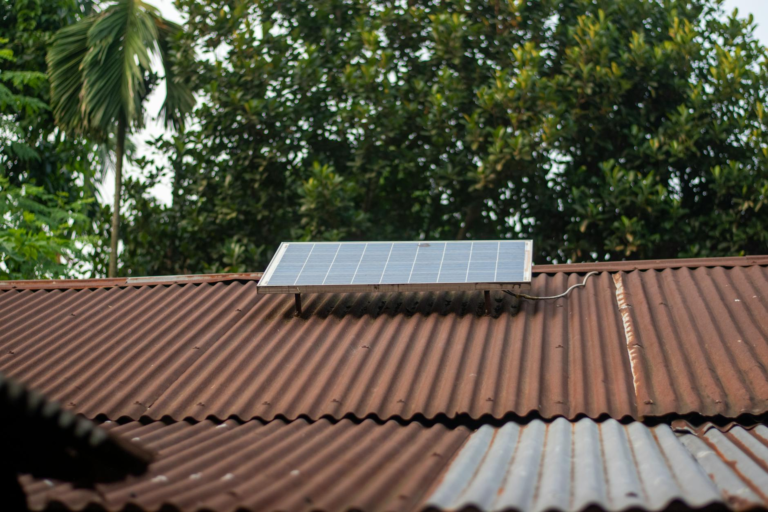
Florida’s Panhandle has seen a surge in rooftop solar installations as homeowners chase lower electricity bills and a greener lifestyle. While the environmental and financial benefits are clear, many residents overlook a critical piece of the puzzle: how their home insurance will treat the new solar equipment. Understanding the nuances of home insurance solar coverage before you sign a contract can prevent unexpected premium hikes, coverage gaps, or denied claims after a storm. This guide walks you through the ways insurers classify solar add‑ons, the impact on premiums and liability, and practical steps to secure the right protection for your investment.
Find us here:
Solar Cost Calculator – Florida Panhandle Only
* Estimate based on $3.25 per watt for solar installation.
* For Tesla Powerwall 3 Batteries, $15,000 for the first battery, $12,000 for each additional battery.
* Other variations and types of Batteries are available.
Why Solar Add‑Ons Matter for Your Homeowner’s Policy
When a solar array is added to a residence, it changes the risk profile of the property in several ways. First, the panels themselves represent a valuable piece of personal property that can be damaged by hail, wind, or falling debris. Second, the electrical components introduce new liability considerations, especially if an installation error leads to a fire. Finally, the presence of solar equipment can affect the home’s overall replacement cost, which insurers use to calculate coverage limits and premiums. Ignoring these factors can leave you with a policy that under‑insures the solar system, forcing you to pay out‑of‑pocket for repairs or replacement.
Growth of Solar in the Florida Panhandle
The Panhandle’s abundant sunshine and favorable net‑metering policies have encouraged many homeowners to install photovoltaic (PV) panels. According to the Solar Energy Industries Association, residential solar capacity in Florida grew by more than 30 % in the past five years, with a significant concentration along the Gulf Coast. This rapid adoption means that insurance agents in the region are encountering solar systems more frequently, prompting them to develop standardized guidelines for evaluating risk. However, each insurer may still apply its own criteria, making it essential for homeowners to understand the typical classification methods used across the industry.
How Insurers Classify Solar Systems
Most insurance carriers group solar installations into three broad categories: standard residential systems, custom or high‑value installations, and “add‑on” equipment that is not permanently affixed. The classification determines how the panels are reflected in the dwelling coverage, whether they are listed as personal property, and how the liability exposure is assessed. Below, we break down each category and explain the key factors that influence the insurer’s decision.
Standard Residential Systems
Standard systems typically consist of a 4‑10 kW array, mounted on the roof with standard racking, and installed by a licensed contractor following local building codes. Insurers usually treat these installations as an integral part of the home’s structure, meaning the panels are included in the dwelling coverage limit. This classification often results in a modest premium increase—often 2‑5 % of the base premium—because the panels are considered a permanent improvement that raises the replacement cost of the home.
Custom or High‑Value Installations
Custom installations involve larger systems, unique mounting solutions, or high‑efficiency panels that command a premium price. Because these setups can significantly boost the home’s replacement value, insurers may require a separate endorsement or a higher dwelling limit. In some cases, the insurer will treat the solar array as “personal property” that is subject to a separate coverage limit, especially if the panels are not permanently attached to the roof. Premium adjustments for custom systems can range from 5‑12 % of the base premium, depending on the insurer’s risk assessment.
Add‑On Equipment and Portable Panels
Portable solar kits, ground‑mounted arrays, and other “add‑on” equipment are often classified as personal property rather than a structural improvement. This means they fall under the personal belongings coverage, which typically has a lower limit unless you purchase an endorsement. Because the risk of theft or damage to portable equipment is higher, insurers may impose a separate deductible or a modest surcharge. Homeowners with these types of systems should verify that their policy’s personal property limit is sufficient to cover the full value of the equipment.
Impact on Premiums and Liability
The presence of a solar array can affect both the premium you pay and the liability exposure you face. From a premium standpoint, insurers evaluate the added replacement cost, the likelihood of damage from Florida’s severe weather, and the potential for increased claims frequency. Liability considerations arise if a faulty installation causes a fire that spreads to neighboring properties, or if a panel’s wiring creates an electrical hazard. Some carriers offer a “solar liability endorsement” that expands coverage for these specific risks, often for an additional flat fee.
When assessing home insurance solar coverage, it’s crucial to ask your agent whether the policy’s dwelling limit has been adjusted to reflect the increased reconstruction cost. If the insurer treats the system as personal property, you may need a scheduled personal property endorsement to avoid under‑insurance. Additionally, verify whether the policy includes coverage for loss of power generation, which can be a valuable benefit if a storm disables your system for an extended period.
Common Policy Language to Watch For
- “Solar panels are considered a permanent improvement to the dwelling and are covered under the dwelling limit.”
- “Solar equipment is classified as personal property and is subject to the personal belongings limit unless a scheduled endorsement is purchased.”
- “An endorsement for solar liability is required to cover damages resulting from electrical faults or fire caused by the solar system.”
- “Loss of income or revenue due to system downtime is excluded unless specifically added as a rider.”
Pay close attention to exclusions related to “wear and tear,” “maintenance,” and “act of God” events. While most standard policies cover damage from hurricanes and windstorms, some insurers may exclude solar panels from wind coverage unless you add a specific endorsement. Understanding these nuances helps you avoid surprises when you file a claim.
Tips for Securing Proper Home Insurance Solar Coverage
- Obtain a detailed invoice from your solar installer that lists equipment cost, installation labor, and warranty information. Insurers use this data to calculate the appropriate dwelling or personal property limit.
- Ask your insurer to perform a “replacement cost analysis” that includes the solar array, ensuring the dwelling coverage reflects the true reconstruction value.
- Consider purchasing a scheduled personal property endorsement if your panels are classified as non‑permanent equipment.
- Review the policy’s windstorm and hail deductible clauses, as these can affect claim payouts for solar damage.
- Shop around and compare how different carriers classify solar systems; some may offer lower premiums for the same level of coverage.
Documenting the installation with photographs, permits, and a copy of the contractor’s warranty can also streamline the claims process. If you ever need to file a claim, having this documentation ready will help the adjuster verify that the damage is covered under your home insurance solar coverage policy.
Classification Summary Table
| Classification | Typical Coverage Placement | Premium Impact |
|---|---|---|
| Standard Residential System | Included in dwelling limit | +2‑5 % of base premium |
| Custom/High‑Value System | Dwelling limit or scheduled endorsement | +5‑12 % of base premium |
| Add‑On/Portable Equipment | Personal property limit (may need endorsement) | +1‑3 % of base premium |
Frequently Asked Questions
Do I need a separate policy for my solar panels?
Most insurers incorporate solar panels into the existing homeowner’s policy, either under the dwelling limit or as personal property. However, if the panels are classified as high‑value or custom, a separate endorsement may be required to ensure adequate coverage.
Will my premium increase after installing solar?
Yes, but the increase is typically modest. Standard systems usually raise premiums by 2‑5 %, while custom installations can add 5‑12 % depending on the insurer’s assessment of added risk and replacement cost.
What if a hurricane damages my panels?
Most homeowner policies cover wind and hail damage, but some carriers exclude solar panels unless you purchase a specific windstorm endorsement. Verify your policy language to confirm coverage for hurricane‑related damage.
Can I claim loss of electricity generation?
Loss of income or revenue from a non‑functioning solar system is generally excluded unless you add a dedicated rider. Discuss this option with your agent if the income from solar production is a significant part of your household budget.
Conclusion
Understanding how insurers view solar add‑ons is essential for any Florida Panhandle homeowner planning to go green. By recognizing the classification system, anticipating premium adjustments, and securing the appropriate endorsements, you can protect both your investment and your peace of mind. Take the time to review your policy’s language, compare carrier options, and work closely with a knowledgeable insurance professional to ensure your home insurance solar coverage aligns with the value and risk of your solar system.
