



Understanding Home Orientation and Its Role in Energy Efficiency
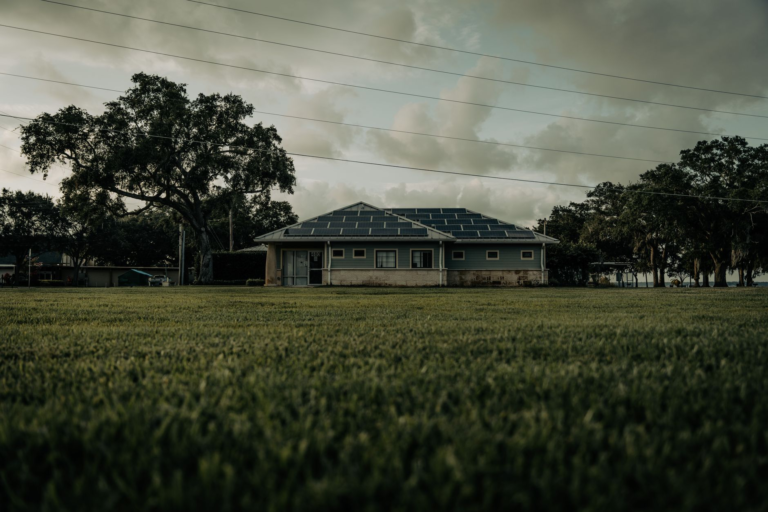
When you purchase land or design a new build, the first decision you make after choosing a floor plan is often the direction the house will face. In the Florida Panhandle, where sunshine is abundant and humidity is high, home orientation energy efficiency becomes a critical factor that can affect comfort, utility bills, and even the lifespan of building materials. While many homeowners focus on insulation and HVAC systems, the angle at which your home greets the sun can either amplify or mitigate those systems’ performance.
Find us here:
Solar Cost Calculator – Florida Panhandle Only
* Estimate based on $3.25 per watt for solar installation.
* For Tesla Powerwall 3 Batteries, $15,000 for the first battery, $12,000 for each additional battery.
* Other variations and types of Batteries are available.
Why Direction Matters in a Hot, Humid Climate
The Panhandle experiences long, hot summers with temperatures often climbing into the 90s°F (32–35°C). At the same time, the region receives a generous amount of solar radiation year‑round. A house that is oriented to take advantage of natural breezes while limiting direct afternoon sun can stay cooler without relying heavily on air‑conditioning. This is the essence of home orientation energy efficiency: using the sun’s path and prevailing winds as passive design tools.
Solar Gain: The Double‑Edged Sword
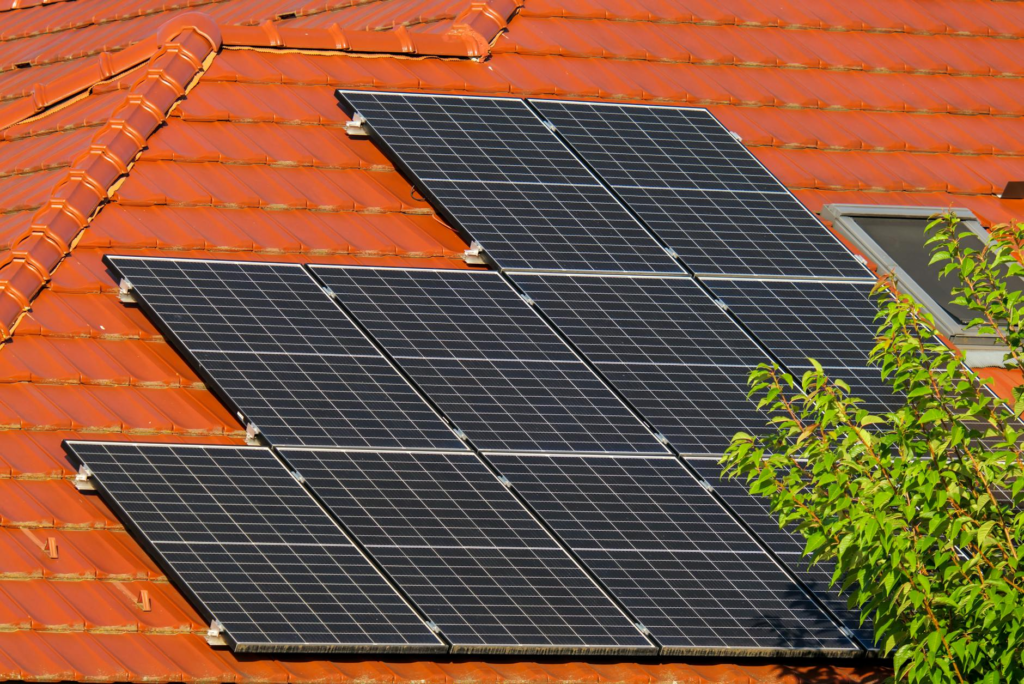
Solar gain refers to the amount of heat a building absorbs from sunlight. In the morning, the low‑angle sun from the east can warm a home pleasantly, reducing the need for heating during cooler winter months. However, by early afternoon the sun swings to the south and west, delivering intense heat that can overload cooling systems. By positioning the longest walls of your home to face north‑south, you can capture beneficial winter sun while shielding the interior from the harshest afternoon rays, thereby enhancing home orientation energy efficiency.
Harnessing Prevailing Winds for Natural Cooling
In coastal Florida, the prevailing breezes often come from the Gulf of Mexico to the west and the Atlantic to the east. Aligning windows and cross‑ventilation pathways with these wind directions allows fresh air to sweep through the house, lowering indoor temperatures without mechanical assistance. This natural airflow is a cornerstone of home orientation energy efficiency because it reduces reliance on fans and air‑conditioners.
Key Design Elements Influenced by Orientation
- Window placement and glazing type
- Roof overhangs and shading devices
- Landscape features such as trees and vines
- Room layout to prioritize daylight where needed
Strategic Window Placement
Windows are the most direct conduit for solar heat. South‑facing windows with low‑emissivity (Low‑E) glass can let in winter light while reflecting summer heat. Meanwhile, placing smaller, high‑performance windows on the west side minimizes unwanted afternoon glare. By thoughtfully selecting window sizes and glazing, you enhance home orientation energy efficiency and keep interior spaces comfortable year‑round.
Roof Overhangs and External Shading
Deep roof overhangs are a simple yet effective way to block high summer sun while allowing lower winter sun to penetrate. In the Panhandle, a 2‑ to 3‑foot overhang on south‑facing walls can reduce cooling loads by up to 15 %. Adding pergolas, awnings, or exterior blinds further refines the balance between daylight and heat, reinforcing the principle of home orientation energy efficiency.
Landscaping as a Passive Tool
Strategically planted trees and shrubs act as living shade structures. Deciduous trees on the south side provide shade in summer and shed leaves in winter, allowing sunlight to warm the home when needed. Evergreen windbreaks on the west can deflect hot gusts, lowering interior temperatures. Such landscaping decisions are integral to achieving optimal home orientation energy efficiency.
Quantifying the Impact: A Simple Comparison
| Orientation | Typical Energy Impact |
|---|---|
| North | Lowest cooling demand; moderate heating need |
| South | Balanced heating/cooling; best for passive solar |
| East | Morning heat gain; minimal afternoon load |
| West | High afternoon heat gain; increased cooling costs |
The table above illustrates how each cardinal direction influences a home’s energy profile. While you cannot change the sun’s path, you can orient your floor plan, choose appropriate shading, and position windows to harness the advantages of each direction. This strategic approach underpins successful home orientation energy efficiency in the Florida Panhandle.
Practical Tips for Homeowners and Builders
- Conduct a solar study or use a sun‑path diagram during the design phase.
- Prioritize larger, high‑performance windows on the north and east sides.
- Incorporate overhangs of at least 2 feet on south‑facing walls.
- Plant deciduous trees on the south and west perimeters.
- Design floor plans that place living spaces on the cooler side of the house.
- Utilize reflective roofing materials to reduce heat absorption.
These actions may seem small, but together they create a synergistic effect that dramatically improves home orientation energy efficiency. Even retrofitting an existing home with strategic shading and window upgrades can yield noticeable savings on utility bills.
Case Study: A Panhandle Family Home
Consider a 2,400‑square‑foot family home built in 2022 near Destin, FL. The original design placed the living room on the west side, resulting in scorching afternoons and an average cooling load of 4,200 kWh per year. After consulting a passive‑design specialist, the owners re‑oriented the primary living spaces to the north side, added 3‑foot overhangs on the south façade, and installed Low‑E windows on the east and south walls. The result? A 28 % reduction in cooling energy consumption, translating to roughly $600 in annual savings. This transformation showcases how proper orientation directly contributes to home orientation energy efficiency.
Frequently Asked Questions
- Can I improve orientation after my house is built? While you can’t rotate the structure, adding shading devices, reflective roofing, and strategic landscaping can mitigate poor orientation.
- Does orientation affect heating as well as cooling? Yes. In cooler months, a south‑facing orientation can capture solar heat, reducing the need for supplemental heating.
- How much can I expect to save? Savings vary, but studies show a well‑oriented home can lower total energy use by 10–30 % compared to a poorly oriented one.
- Is orientation important for homes with solar panels? Absolutely. Aligning panels toward the true south maximizes exposure, boosting electricity generation and overall efficiency.
Addressing these common concerns helps homeowners see that home orientation energy efficiency isn’t just a theoretical concept—it’s a practical, cost‑effective strategy for everyday living in the Panhandle.
Wrapping Up: Make Orientation a Core Part of Your Design Process
From reducing cooling loads to enhancing daylighting, the direction your home faces plays a pivotal role in overall performance. By integrating orientation considerations early—through site analysis, thoughtful window placement, shading, and landscaping—you set the stage for a comfortable, energy‑smart residence. In a region where the sun shines bright and the air stays warm, leveraging home orientation energy efficiency is one of the smartest moves you can make for your wallet and the environment.
Take the time to evaluate the sun’s path, prevailing winds, and your daily living patterns. The effort you invest now will pay off in lower utility bills, increased comfort, and a home that works with nature rather than against it.
