




Why “Household Energy Mistakes” Matter More Than You Think
When you pull your monthly utility bill apart, the numbers can feel like a mystery—especially if you live in the Gulf Coast region of Pensacola, Milton, or Panama City where the climate drives both heating and cooling needs. While large appliances such as furnaces and air conditioners get most of the attention, a series of subtle, everyday actions are quietly siphoning power from your home. These are the household energy mistakes that many homeowners don’t even realize they’re making. Over time, these small inefficiencies add up, inflating costs, increasing carbon footprints, and putting extra strain on the local grid during peak demand periods. By shining a light on the most overlooked habits, you’ll be equipped with practical, low‑cost fixes that can shave dozens, even hundreds, of dollars off your bill each year.
Find us here:
Solar Cost Calculator – Florida Panhandle Only
* Estimate based on $3.25 per watt for solar installation.
* For Tesla Powerwall 3 Batteries, $15,000 for the first battery, $12,000 for each additional battery.
* Other variations and types of Batteries are available.
1. Leaving Electronics on Standby: The “Phantom Load” Problem
Most modern gadgets—TVs, gaming consoles, chargers, and smart speakers—draw a trickle of power even when they appear off. This is known as a phantom load, and it can account for up to 10 % of a typical home’s electricity use. In the humid climate of Florida, many households keep multiple devices plugged in around the clock, assuming the impact is negligible. In reality, each standby device may consume anywhere from 0.5 to 5 watts, which translates into roughly 5 to 50 kWh per year per device. Multiply that by several items in each room, and you quickly see how these unnoticed household energy mistakes pile up. Simple actions like using a power strip and switching it off, or unplugging chargers when not in use, can eliminate this waste without sacrificing convenience.
- Group electronics on a single power strip.
- Turn off the strip when you leave the house.
- Unplug chargers that aren’t actively charging.

2. Inefficient Lighting Choices: Sticking With Old Bulbs
Even though LED technology has been widely available for over a decade, many homes in Pensacola and the surrounding areas still rely heavily on incandescent or older CFL bulbs. Incandescents use up to 75 % more electricity than comparable LEDs and have a dramatically shorter lifespan. Replacing just the fixtures in high‑traffic rooms—like the kitchen, living room, and hallways—can cut lighting energy use by 30 % or more. Moreover, using dimmers and motion sensors can further reduce consumption by ensuring lights are only on when needed. These upgrades address a common household energy mistake: assuming that lighting upgrades are too expensive or unnecessary, when in fact the payback period is often less than two years.
- Swap all 60‑watt bulbs for 9‑watt LEDs.
- Install dimmer switches in living spaces.
- Place motion sensors in closets and garages.
3. Overusing Space Heaters and Portable Air Conditioners
Because Florida’s summers can be sweltering and winters surprisingly cool, many residents reach for portable space heaters or window AC units as quick fixes. While these devices provide immediate comfort, they are typically far less efficient than a central HVAC system that is properly sized and maintained. A single 1,500‑watt space heater can consume as much electricity in a few hours as a whole household does in a day. Similarly, an older window AC unit can run at a coefficient of performance (COP) of 2.5, whereas a modern central system can achieve a COP of 4 or higher. The habit of turning on a portable unit for short periods is a classic household energy mistake that leads to higher utility bills and unnecessary wear on the equipment.
- Use ceiling fans to circulate air before reaching for a portable unit.
- Set the thermostat on central HVAC to a consistent temperature.
- Schedule regular maintenance on the main system.
4. Poor Thermostat Management: Ignoring Smart Settings
Even with a high‑efficiency furnace or air conditioner, the way you program your thermostat can make or break your energy savings. Many homeowners keep their thermostat at a constant temperature year‑round, forgetting that a few degrees of variance can lead to significant reductions in energy use. For example, setting the thermostat 2 °F lower in winter and 2 °F higher in summer can save up to 10 % on heating and cooling costs. Unfortunately, the habit of manually adjusting the thermostat throughout the day—especially in homes with children or pets—remains a widespread household energy mistake. Upgrading to a programmable or smart thermostat and leveraging its scheduling features can automate these savings without sacrificing comfort.
- Program a 7‑am wake‑up and 10‑pm sleep schedule.
- Utilize “away” mode when the house is empty.
- Take advantage of geofencing if your thermostat supports it.
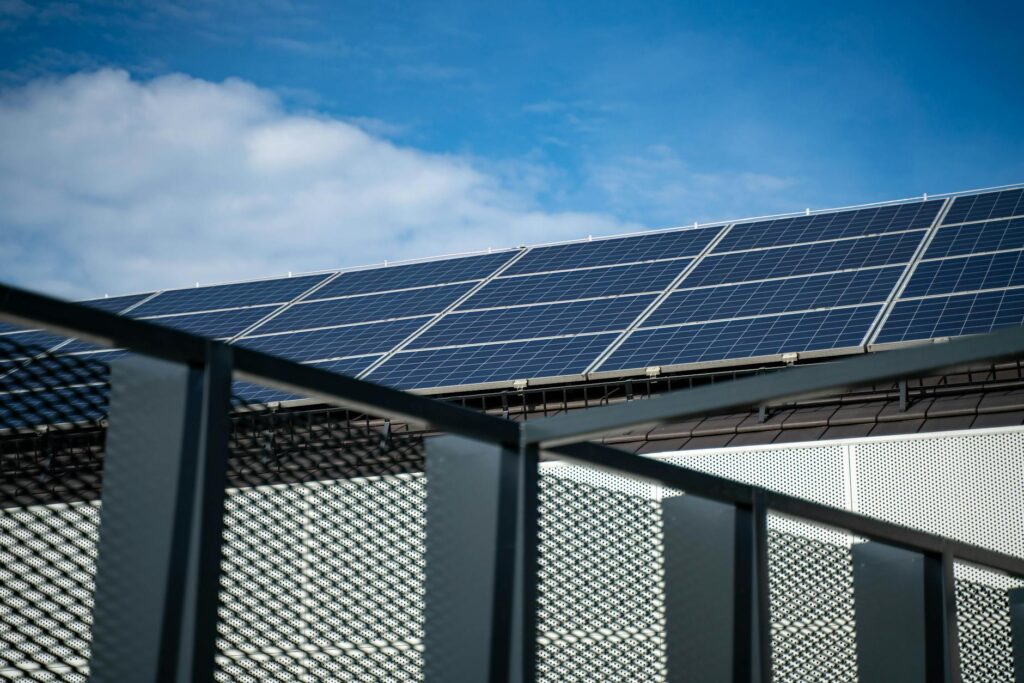
5. Unsealed Windows and Doors: Letting Conditioned Air Escape
Older homes in Milton and Panama City often feature single‑pane windows, gaps around door frames, and cracked caulking. These imperfections allow heated or cooled air to leak out, forcing HVAC systems to work harder to maintain the set temperature. An energy audit by a local contractor typically reveals that sealing just 5 % of a home’s envelope can cut heating and cooling loads by 15 % or more. This is another hidden household energy mistake: assuming that the structure itself is airtight enough, when in fact a quick DIY weather‑stripping project can deliver immediate savings.
- Apply weather‑stripping to all exterior doors.
- Use caulk around window frames and trim.
- Install low‑E film on older windows.
6. Water Heating Missteps: Setting Temperatures Too High
Water heating is the second largest energy expense in most American homes, and many households set their water heater thermostat to 140 °F out of habit or concern for bacterial growth. In reality, 120 °F is sufficient for most daily needs and reduces standby losses by up to 6 %. Additionally, leaving the water heater on “high” mode, using a standard tank instead of a tankless model, or neglecting periodic flushing can all be classified as household energy mistakes that inflate utility costs. Simple adjustments—lowering the thermostat, insulating the tank, and scheduling an annual flush—can shave 5–10 % off your overall energy bill.
- Set water heater to 120 °F.
- Wrap the tank in an insulating blanket.
- Flush the tank once a year to remove sediment.
7. Overloaded Laundry Habits: Washing With Hot Water and Full Loads
Many residents in the Gulf Coast region believe that washing clothes in hot water ensures cleanliness, especially after a beach day. However, modern detergents work effectively in cold or warm water, and heating water accounts for nearly 90 % of a washing machine’s energy use. Running the machine with partial loads, using the “extra rinse” option, or neglecting to clean the lint filter are all household energy mistakes that add up quickly. By washing full loads in cold water and maintaining the appliance, you can reduce laundry energy consumption by up to 50 %.
- Use cold water for most loads.
- Only run full loads.
- Clean the lint filter after each use.
8. Ignoring Appliance Maintenance: Dirty Coils and Clogged Filters
Refrigerators, dryers, and HVAC units all rely on clean coils and filters to operate efficiently. A dusty refrigerator coil can increase energy consumption by up to 30 %, while a clogged dryer vent can cause the dryer to run longer and even become a fire hazard. Yet many homeowners postpone these maintenance tasks, viewing them as optional. This neglect is a classic household energy mistake that leads to higher electricity usage and reduced appliance lifespan. Setting a quarterly reminder to clean coils, replace filters, and inspect vents can keep your appliances running at peak efficiency.
- Vacuum refrigerator coils twice a year.
- Replace HVAC filters every 3 months.
- Clean dryer vent annually.
9. Phantom Loads in the Garage and Basement: Unused Equipment Still Plugged In
Garages and basements often house power tools, freezers, dehumidifiers, and charging stations that stay plugged in even when not in use. These devices can draw a steady trickle of power, contributing to hidden household energy mistakes that are easy to overlook. For instance, a standby dehumidifier can use 30 W continuously, equating to over 260 kWh per year—enough to power a small refrigerator. Conducting a quick sweep of these secondary spaces and unplugging or consolidating devices can dramatically cut wasted electricity.
- Use a single power strip for all garage tools.
- Turn off the strip when the garage is empty.
- Consider a smart plug to monitor usage.
10. Seasonal Energy Mistakes: Forgetting to Adjust for Weather Changes
Seasonal habits often slip the mind. In the summer, many homeowners keep blinds open, allowing solar heat to raise indoor temperatures and force the AC to work harder. In winter, heavy curtains may be left closed, trapping cold air and prompting the furnace to run longer. These seasonal oversights are subtle household energy mistakes that, when corrected, can provide immediate savings. Simple actions—closing blinds during peak sun hours, using insulated curtains in winter, and adjusting thermostat settings with the seasons—ensure that your home’s envelope works with, rather than against, the weather.
- Close blinds from 10 a.m. to 4 p.m. in summer.
- Open curtains during sunny winter days.
- Adjust thermostat 2 °F for each season.
Quick Audit Checklist for Homeowners
- Inspect all electronics for standby power; use power strips.
- Replace incandescent bulbs with LEDs.
- Seal windows, doors, and any gaps.
- Set water heater to 120 °F and insulate the tank.
- Program the thermostat with seasonal schedules.
- Run laundry with cold water and full loads only.
- Clean refrigerator coils, HVAC filters, and dryer vents.
- Unplug or switch off garage and basement equipment when not in use.
Comparison of Common Mistakes and Potential Savings
| Household Energy Mistake | Typical Annual Savings (USD) |
|---|---|
| Phantom loads from electronics | $80–$150 |
| Incandescent lighting | $70–$120 |
| Improper thermostat settings | $100–$200 |
| Unsealed windows/doors | $150–$250 |
| Water heater set too high | $60–$110 |
