




Why the Best Solar Decision Is an Informed One
Homeowners across the Florida Panhandle are increasingly turning to solar energy to cut electricity bills, increase property value, and reduce their carbon footprint. Yet, the excitement around clean power can sometimes mask the complexity of choosing the right system. Making an informed solar decision means gathering reliable data, understanding local conditions, and weighing long‑term costs against benefits. This article walks you through the essential information you need to feel confident about every step—from panel selection to financing—so you can enjoy a seamless transition to solar without surprise expenses or underperforming equipment.
Find us here:
Solar Cost Calculator – Florida Panhandle Only
* Estimate based on $3.25 per watt for solar installation.
* For Tesla Powerwall 3 Batteries, $15,000 for the first battery, $12,000 for each additional battery.
* Other variations and types of Batteries are available.
Understanding Solar Basics for the Florida Panhandle
The Panhandle enjoys abundant sunshine, with an average of 260 sunny days per year. This high solar irradiance makes the region ideal for photovoltaic (PV) installations, but it also introduces unique considerations such as humidity, salt‑air corrosion, and occasional severe weather. Knowing how panels convert sunlight into electricity, the role of inverters, and the importance of proper mounting angles helps you evaluate whether a proposed system truly matches the local environment. An informed solar decision starts with a solid grasp of these technical fundamentals, ensuring you don’t overlook hidden challenges that could affect performance over the next 25‑30 years.

Why Information Matters More Than Ever
Solar technology has advanced rapidly, and the market now offers a dizzying array of panel types, warranties, and financing models. Without a clear understanding of your energy needs, you might select an oversized system that wastes money or an undersized one that fails to meet your goals. Moreover, the Federal Investment Tax Credit (ITC) and state‑specific rebates are time‑sensitive; missing a deadline can cost thousands of dollars. By staying educated, you protect yourself from outdated offers and ensure that every dollar you invest contributes directly to a reliable, efficient energy solution. In short, the more you know, the better your chances of making an informed solar decision that pays off for decades.
Key Factors for a Smart Choice
Panel Efficiency and Durability
Efficiency determines how much electricity a panel can generate per square foot. In the Panhandle, high‑efficiency monocrystalline panels often outperform polycrystalline options, especially when roof space is limited. Look for a temperature coefficient that indicates how performance drops in hot weather—lower numbers mean the panel retains more output during the summer heat. Durability is equally important; panels with a robust anti‑PID (potential‑induced degradation) coating and an IEC 61730 certification are better suited to withstand humidity and salt‑air exposure.
Local Climate and Shading Analysis
Even the best panels can underperform if they’re shaded by trees, neighboring structures, or even roof overhangs. A professional shading analysis—often performed with a solar pathfinder or drone survey—identifies potential losses throughout the year. In the Panhandle, where hurricanes can bring down branches, a dynamic shading study helps you choose optimal mounting locations and may suggest micro‑inverters or power optimizers to mitigate the impact of partial shading.
Incentives, Rebates, and Tax Credits
The Federal ITC currently offers a 30 % tax credit for residential solar installations, but state‑level programs can add another 10‑20 % in rebates or property‑tax exemptions. The Florida Solar Energy System Incentives Program, for instance, provides a rebate that varies by county and system size. Keeping track of application deadlines and required documentation is crucial; an informed solar decision includes a timeline that aligns installation with the availability of these financial incentives.
Installation Quality and Warranty Coverage
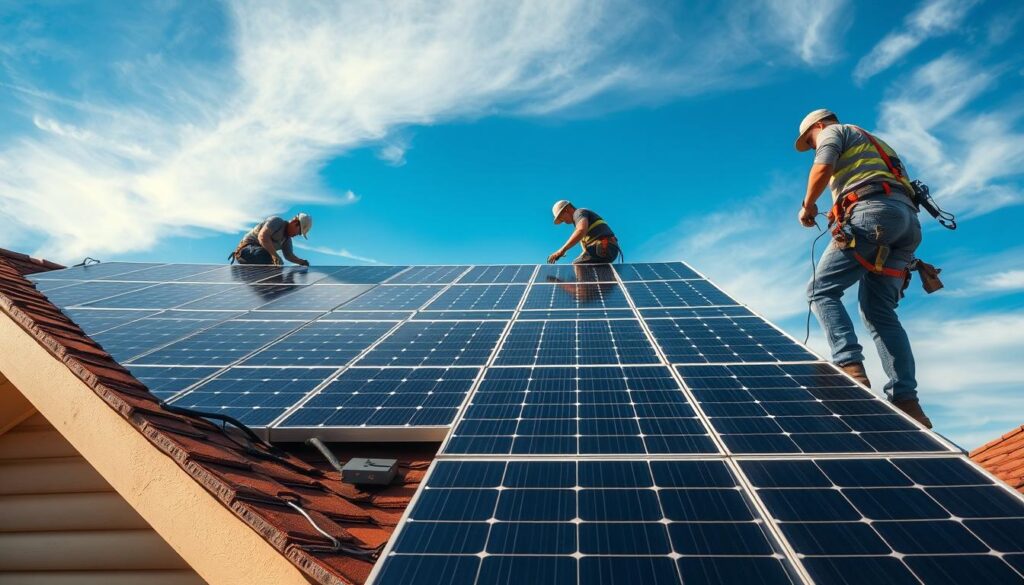
Choosing a reputable installer can be as important as selecting the right hardware. Look for Certified Solar Installers (C‑SI) or NABCEP‑certified technicians, and verify that the installer offers a performance guarantee—often a 10‑year output guarantee in addition to the standard 25‑year product warranty. A solid warranty protects you against premature degradation, and a reputable installer will provide detailed as‑built drawings, permitting records, and a clear post‑installation service plan.
Financing Options and Return on Investment
Homeowners can purchase solar outright, lease the system, or opt for a Power Purchase Agreement (PPA). Each model affects cash flow differently. Purchasing provides the highest long‑term savings but requires upfront capital, while a lease reduces initial cost but may limit eligibility for tax credits. Running a detailed cash‑flow analysis—factoring in electricity rates, expected degradation, and financing terms—helps you determine the true payback period. This financial clarity is a cornerstone of an informed solar decision.
Comparing Common System Types
| System Type | Pros | Cons |
|---|---|---|
| Grid‑Tied | Lower upfront cost, net‑metering credits, simple design | No power during outages, relies on utility |
| Hybrid (Battery + Grid) | Backup power, reduces peak‑rate charges, greater energy independence | Higher cost, battery lifespan considerations |
| Off‑Grid | Complete independence, ideal for remote sites | Highest cost, requires larger battery bank, no net‑metering |
The table above highlights the three most common residential solar configurations in the Panhandle. While a pure grid‑tied system is often sufficient for homeowners who want to offset electricity bills, a hybrid solution can provide resilience during storms—a valuable feature in a region prone to hurricanes. An informed solar decision weighs these trade‑offs against budget, energy usage patterns, and personal tolerance for risk.
Steps to Make an Informed Solar Decision
- Assess Your Energy Usage: Review the past 12 months of utility bills to determine average daily kWh consumption.
- Conduct a Site Survey: Hire a qualified installer to perform a shading analysis, roof inspection, and structural assessment.
- Research Incentives: Check the latest Federal ITC status and Florida-specific rebates, noting application deadlines.
- Compare Hardware Options: Evaluate panel efficiency, temperature coefficients, and warranty terms from multiple manufacturers.
- Obtain Multiple Quotes: Request detailed proposals that break down equipment, labor, permits, and financing.
- Run a Financial Model: Use a spreadsheet or online calculator to project cash flow, payback period, and internal rate of return (IRR).
- Review Contracts Carefully: Look for performance guarantees, warranty transferability, and clear timelines for permitting and installation.
- Schedule Installation: Align the build window with incentive deadlines and optimal weather conditions.
- Monitor Performance: After commissioning, track system output via the inverter’s portal to ensure it meets expected production levels.
Following this checklist ensures you gather every piece of critical information before signing a contract. It also helps you avoid common pitfalls, such as underestimating future electricity rate increases or overlooking the need for a robust battery backup in hurricane‑prone areas. By methodically addressing each step, you turn a complex purchase into a transparent, data‑driven process.
Common Mistakes to Avoid
Even well‑meaning homeowners can fall into traps that erode the financial benefits of solar. One frequent error is choosing the cheapest installer without verifying certifications or past performance. Another is neglecting to factor in roof repair costs that may arise during the installation phase. Some owners also skip the performance guarantee, assuming the manufacturer warranty is enough—yet a guarantee on system output protects you if the panels degrade faster than expected. Finally, ignoring future energy consumption changes—like adding an electric vehicle charger—can lead to an undersized system that requires costly upgrades later. Awareness of these pitfalls is a vital part of making an informed solar decision.
The Long‑Term Benefits of an Informed Solar Decision
When you base your solar purchase on solid data, the payoff extends far beyond immediate bill reductions. A properly sized, high‑efficiency system can increase your home’s resale value by up to 4 %, according to recent real‑estate studies in the Southeast. Moreover, the energy independence gained from a well‑designed hybrid system can safeguard you against future rate hikes or grid outages—both of which are increasingly common during extreme weather events. Environmental benefits also compound over time; a 6 kW system typical for Panhandle homes can offset roughly 7 tonnes of CO₂ annually, contributing to Florida’s climate goals. All these outcomes stem from taking the time to gather accurate information, compare options, and choose a solution aligned with your lifestyle and financial objectives.
Conclusion
Choosing solar power is a major investment, and the difference between a good outcome and a regrettable one often hinges on how well‑informed you are before signing a contract. By understanding panel technology, local climate impacts, incentive timelines, and financing structures, you can make an informed solar decision that delivers reliable savings, increased property value, and lasting environmental benefits for your Florida Panhandle home.
