



Understanding the Difference in Solar Output
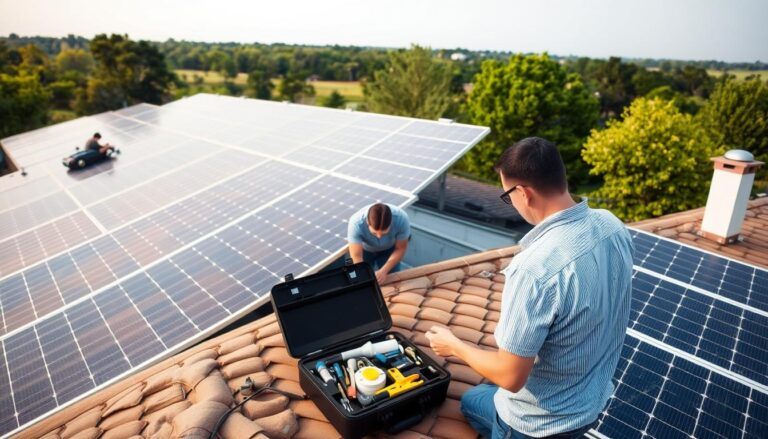
When homeowners in the Florida Panhandle compare the performance of their rooftop solar arrays, a common observation emerges: systems installed in inland towns such as Crestview, Chipley, and Marianna often generate a more predictable and sometimes higher amount of electricity than those perched on homes along the Emerald Coast. This phenomenon isn’t a mystery; it stems from a blend of climate, geography, and environmental factors that influence how sunlight is captured and converted. By examining the science behind solar irradiance, temperature effects, atmospheric clarity, and local maintenance considerations, we can see why inland vs coastal solar performance frequently tips in favor of the interior locations. Understanding these nuances helps prospective buyers, installers, and policymakers make smarter decisions about where to prioritize solar investments and how to design systems that thrive in each setting.
Find us here:
Solar Cost Calculator – Florida Panhandle Only
* Estimate based on $3.25 per watt for solar installation.
* For Tesla Powerwall 3 Batteries, $15,000 for the first battery, $12,000 for each additional battery.
* Other variations and types of Batteries are available.
How Solar Irradiance Varies by Geography
Solar irradiance—the amount of sunlight that reaches a surface each day—is the single most important driver of photovoltaic (PV) output. In inland areas of the Panhandle, the atmosphere is generally thinner and contains fewer sea‑derived aerosols, allowing more direct sunlight to strike the panels. Coastal zones, on the other hand, often experience higher levels of marine haze, salt spray, and occasional fog that can scatter and absorb sunlight before it reaches the panels. This subtle reduction in clear‑sky hours can translate into a measurable dip in daily energy production, especially during the summer months when coastal humidity peaks. The contrast in irradiance is one of the core reasons why inland vs coastal solar performance is a topic worth exploring for anyone considering a solar investment in this region.

Temperature Effects on Panel Efficiency
Photovoltaic cells are temperature‑sensitive. As temperature rises, the voltage output of a solar panel drops, leading to a lower overall efficiency. Inland towns typically experience hotter summer days but also benefit from lower nighttime temperatures, which helps panels cool more quickly after sunset. Coastal homes are exposed to the moderating influence of the Gulf of Mexico, resulting in higher average humidity and a slower cooling rate for panels that remain warm well into the evening. This sustained heat can cause a slight but consistent efficiency loss, meaning that even with similar sunlight levels, inland vs coastal solar performance can diverge because inland panels spend less time operating at elevated temperatures.
Atmospheric Conditions and Cloud Cover
Cloud formation patterns differ markedly between the interior and the shoreline. Inland, high‑pressure systems dominate much of the year, producing clear skies and minimal cloud interference. Coastal regions, however, are subject to sea breezes that bring frequent low‑level clouds and occasional thunderstorms, especially during the late summer hurricane season. These transient clouds can cause rapid fluctuations in solar output, known as “ramping,” which places additional stress on inverters and can reduce the net energy harvested over a month. The steadier sky conditions inland give the PV system a more consistent power curve, reinforcing why inland vs coastal solar performance often favors the interior.
Humidity, Salt, and Soiling Rates
Coastal humidity brings two challenges for solar arrays: increased soiling from salt particles and a higher likelihood of moisture accumulation on panel surfaces. Salt deposits can form a thin, reflective layer that reduces light absorption, while moisture can lead to micro‑cracks in the glass over time if not properly sealed. Inland homes experience lower humidity, which means panels stay cleaner longer and require fewer wash cycles. Even a modest difference in soiling rates—say, a 5 % loss of efficiency per month for coastal panels versus 2 % for inland—adds up over a year, further widening the gap in inland vs coastal solar performance.
Real‑World Data from the Panhandle
Utility‑scale monitoring data from the past five years show that residential systems in Crestview average about 5.2 kWh per kilowatt‑peak (kWh/kWp) per day, while comparable installations in Destin average roughly 4.8 kWh/kWp per day. The difference may appear modest, but when multiplied across a typical 6 kW residential system, it results in an extra 240 kWh of electricity each year for the inland homeowner. This surplus not only reduces the payback period but also increases the total return on investment. Such empirical evidence underscores the practical implications of inland vs coastal solar performance for budgeting and long‑term planning.
| Metric | Inland (e.g., Crestview) | Coastal (e.g., Destin) |
|---|---|---|
| Average Daily Peak Sun Hours | 5.6 | 5.2 |
| Typical System Output (kWh/day) | 33.6 | 31.2 |
Key Factors That Differentiate Inland vs Coastal Solar Performance
- Clear‑sky frequency and cloud‑cover patterns
- Ambient temperature swings and panel cooling rates
- Humidity and salt‑induced soiling
- Sea‑breeze‑driven wind speeds affecting shading
- Maintenance frequency and cleaning costs
Maintenance considerations often become a deciding factor for homeowners. Because inland panels stay cleaner longer, they typically require fewer professional washes per year—often just one or two, compared with three to four for coastal installations. The reduced labor and water usage translate into lower operating costs, which, when combined with the higher baseline production, further accentuates the advantage captured in the inland vs coastal solar performance comparison. Additionally, the risk of corrosion on mounting hardware is markedly lower away from the salty sea air, extending the lifespan of the entire racking system.
Shading, Roof Orientation, and Site‑Specific Design
Site‑specific factors such as roof pitch, orientation, and nearby vegetation also interact with geographic location. Inland homes often sit on slightly higher ground with fewer tall trees, reducing the likelihood of shading during peak sun hours. Coastal properties, especially those built close to dunes or mature landscaping, may experience early‑day shading from palm trees or later‑day shading from nearby structures. While a well‑designed system can mitigate many of these issues through micro‑inverters or power optimizers, the baseline environment still influences the overall inland vs coastal solar performance picture, making it essential to conduct a thorough site survey before installation.
Economic Impact and Return on Investment
From an economic standpoint, the incremental energy yield of inland systems can shave months off the payback timeline. Assuming a conservative electricity rate of $0.13 per kWh, the additional 240 kWh generated annually in the inland scenario translates to roughly $31 in extra savings each year. Over a typical 25‑year system lifespan, that adds up to $775—money that can be reinvested in battery storage, home upgrades, or simply retained as profit. When combined with lower maintenance expenses, the financial case for choosing an inland location becomes compelling, especially for developers and community solar projects that aim to maximize the aggregate output of multiple installations.
Future Trends: Adapting to Climate Change
Climate models predict that the Gulf Coast will experience more intense humidity spikes and occasional sea‑level‑driven fog events as global temperatures rise. These changes could further erode the efficiency gap between inland and coastal installations, making the latter even more vulnerable to performance losses. Conversely, inland areas may see longer heatwaves but also benefit from clearer skies as the subtropical ridge expands northward. Anticipating these trends, solar designers are already exploring advanced anti‑soiling coatings, higher‑temperature‑tolerant modules, and adaptive mounting systems that can pivot to capture the most sunlight regardless of shifting weather patterns. Keeping an eye on the evolving dynamics of inland vs coastal solar performance will be essential for long‑term planning.
In summary, while both inland and coastal homes in Florida can reap substantial benefits from solar energy, the subtle interplay of irradiance, temperature, atmospheric clarity, humidity, and maintenance creates a measurable edge for inland installations. By understanding these factors, homeowners, installers, and investors can set realistic expectations, optimize system design, and ultimately achieve a more reliable and cost‑effective return on their solar investment.
