



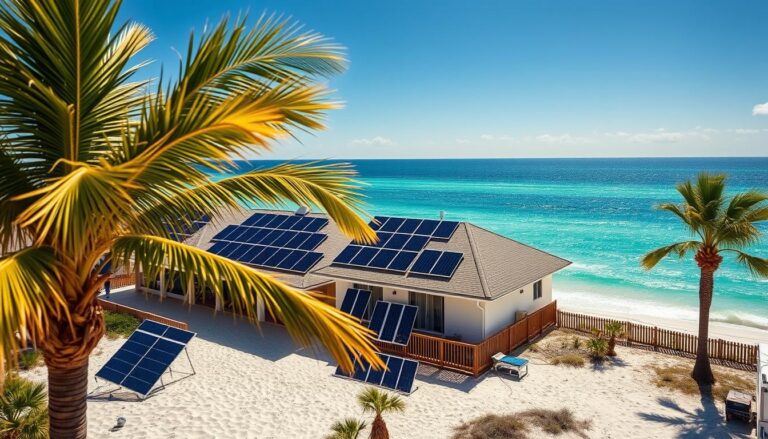
When you invest in a solar energy system for your home in the Florida Panhandle, the inverter becomes the heart of the operation. It converts the DC power generated by the panels into usable AC electricity, but it also produces heat that, if not managed properly, can shorten the unit’s useful life. Understanding how inverter placement lifespan is affected by heat and airflow conditions is essential for homeowners who want reliable performance year after year.
Find us here:
Solar Cost Calculator – Florida Panhandle Only
* Estimate based on $3.25 per watt for solar installation.
* For Tesla Powerwall 3 Batteries, $15,000 for the first battery, $12,000 for each additional battery.
* Other variations and types of Batteries are available.
How Inverters Generate Heat
Every inverter contains power electronics—semiconductor switches, transformers, and capacitors—that handle large currents. When these components conduct electricity, they naturally generate heat. Modern inverters are designed with built‑in cooling fans and heat sinks, but these mechanisms rely on adequate surrounding air to dissipate temperature. If the surrounding environment is too hot or airflow is restricted, the internal temperature can climb well above the manufacturer’s recommended operating range, accelerating wear on critical components.
- High‑frequency switching creates rapid temperature spikes.
- Transformers produce continuous heat during operation.
- Capacitors can degrade faster when exposed to sustained high temperatures.
Because heat is the primary enemy of electronic longevity, the way you position the inverter directly influences its inverter placement lifespan. A well‑ventilated, shaded location can keep temperatures within safe limits, while a cramped, sun‑exposed spot can cut years off the warranty.
The Florida Panhandle Climate Challenge
The Panhandle experiences hot, humid summers with temperatures often soaring above 95°F (35°C) and high dew points that reduce the effectiveness of natural convection. At the same time, the region’s occasional severe storms can drive up indoor humidity levels, further stressing inverter cooling systems. These climate factors mean that even a modest increase in ambient temperature can push an inverter’s internal temperature into a danger zone, making placement decisions far more critical than in cooler climates.
Why Placement Directly Impacts System Lifespan
Manufacturers typically rate inverter warranties for up to ten years, assuming the unit operates under standard temperature conditions (usually 77°F or 25°C). When the inverter is installed in a location where heat accumulates, the internal temperature can exceed this baseline by 20‑30°F (11‑17°C). Research shows that for every 10°F rise above the optimal range, the life expectancy of power electronics can drop by roughly 5‑7%. Consequently, the inverter placement lifespan can be reduced dramatically if the unit is not positioned with heat management in mind.
Optimal Placement Strategies
To maximize the inverter placement lifespan, consider the following best‑practice guidelines that balance temperature control, accessibility, and safety:
- Shade, not darkness: Install the inverter under a shaded eave or on a roof overhang that blocks direct sunlight while still allowing airflow.
- Elevated mounting: Place the unit at least 12‑18 inches off the ground or any surface to promote natural convection.
- Clearance space: Maintain a minimum of 24 inches of clearance on all sides for proper ventilation and easy service access.
- Dedicated ventilation: Use vented enclosures or louvered panels that channel cool air in and hot air out.
- Temperature monitoring: Install a thermostat or smart sensor that alerts you when the inverter exceeds a set temperature threshold.
When these strategies are applied, the inverter operates closer to its designed temperature envelope, preserving the inverter placement lifespan and reducing the likelihood of premature failures.
Common Placement Mistakes to Avoid
Even experienced installers can fall into habits that jeopardize the inverter’s durability. Below are the most frequent errors that shorten the inverter placement lifespan:
- Mounting directly on a roof deck that absorbs and radiates heat.
- Placing the unit inside an unventilated utility closet or garage.
- Installing near heat‑producing appliances such as water heaters or HVAC units.
- Covering the inverter with insulation or a solid panel that blocks airflow.
- Neglecting to leave clearance for future maintenance or upgrades.
Each of these missteps can raise the inverter’s operating temperature by 15‑40°F (8‑22°C), dramatically reducing the expected service life.
Airflow and Ventilation: The Unsung Heroes
Effective airflow is the most reliable method for controlling inverter temperature. Natural convection moves cooler air into the unit’s intake vents while expelling hot air through exhaust vents. In the humid Florida Panhandle, however, stagnant air can become saturated, diminishing its cooling capacity. Installing a small, weather‑proof exhaust fan can improve air exchange rates, especially in enclosed spaces.
When assessing a potential location, ask yourself: Is there a clear path for air to flow from the intake to the exhaust? Are there any obstructions—such as stored boxes or equipment—that could block this path? Answering “yes” to these questions helps ensure the inverter’s internal fans can do their job, extending the inverter placement lifespan significantly.
| Placement Factor | Optimal Condition | Poor Condition |
|---|---|---|
| Shade | Shaded eave, indirect sunlight | Direct roof exposure, full sun |
Monitoring and Ongoing Maintenance
Even after you’ve chosen the best spot, regular monitoring remains crucial. Modern inverters often include built‑in diagnostics that report temperature, fan speed, and error codes via a web portal or mobile app. Set alerts for temperatures that exceed 120°F (49°C), and schedule quarterly visual inspections to clear dust, debris, and check that vent openings remain unobstructed. Proactive maintenance helps preserve the inverter placement lifespan and catches potential issues before they become costly failures.
Real‑World Case Study: A Panhandle Home
John and Maria, homeowners in Tallahassee, installed a 7.5 kW solar system with a central string inverter two years ago. Initially, they mounted the inverter in a small attic space to keep wiring short. Within six months, the inverter’s internal temperature logged an average of 135°F (57°C), and the warranty provider flagged an early‑failure risk. After relocating the inverter to a shaded exterior wall with a dedicated vented enclosure, temperatures dropped to a steady 95°F (35°C). Over the next 18 months, the unit operated without fault, illustrating how proper placement can directly extend the inverter placement lifespan and protect the investment.
Calculating the ROI of Proper Placement
While the upfront cost of a vented enclosure or a professional relocation may seem like an added expense, the return on investment becomes clear when you factor in avoided replacement costs, warranty claims, and lost energy production during downtime. A typical inverter replacement can run $2,000‑$4,000, not including labor. By ensuring optimal placement, homeowners can avoid these expenses and enjoy a longer, more reliable system—ultimately delivering a higher net present value for the solar installation.
Frequently Asked Questions
- Can I install the inverter inside my garage? Only if the garage is well‑ventilated, shaded, and provides the required clearance around the unit.
- Do I need a fan if the inverter is already shaded? A fan can still improve airflow, especially in humid conditions where natural convection is less effective.
- How often should I clean the inverter’s vents? At least twice a year, or more frequently if you notice dust buildup.
- Will a higher‑efficiency inverter generate less heat? Yes, but it still requires adequate cooling; efficiency gains do not eliminate the need for proper placement.
By paying close attention to where you locate your inverter, you safeguard its performance and ensure that the inverter placement lifespan aligns with the long‑term goals of your solar investment.
Conclusion: In the hot, humid environment of the Florida Panhandle, inverter placement isn’t just a matter of convenience—it’s a decisive factor that determines how long the unit will serve your home. Proper shading, ample clearance, and robust airflow can dramatically extend the inverter’s useful life, protecting your investment and keeping your solar system running at peak efficiency for years to come.
