


Understanding Solar Viability in the Florida Panhandle
Florida’s Panhandle—home to vibrant coastal cities like Pensacola, Destin, and Panama City—has become a hotspot for residential solar installations. The region’s abundant sunshine, favorable net‑metering policies, and growing awareness of renewable energy make solar an attractive option for many homeowners. Yet, not every house can harvest the sun’s power with equal efficiency. When you’re asking yourself, is my home a good candidate for solar?, the answer depends on a blend of physical, electrical, and financial factors that vary from property to property.
In this comprehensive guide we’ll walk you through the most important considerations that determine solar suitability in the Florida Panhandle. By the end of the article you’ll have a clear framework for answering that critical question and a roadmap for moving forward—whether that means contacting a local installer, running a DIY feasibility study, or simply deciding that solar isn’t the right fit for your home right now.
Find us here:
Solar Cost Calculator – Florida Panhandle Only
* Estimate based on $3.25 per watt for solar installation.
* For Tesla Powerwall 3 Batteries, $15,000 for the first battery, $12,000 for each additional battery.
* Other variations and types of Batteries are available.
Key Factors That Influence Solar Suitability
Solar performance is driven by a handful of measurable variables. While each factor can be evaluated on its own, the true picture emerges when you consider them together. Below is a quick snapshot of the most influential elements that will help you answer the question, is my home a good candidate for solar?
- Roof orientation and tilt
- Shade from trees, neighboring structures, or overhangs
- Roof age, material, and structural integrity
- Electrical service capacity and panel space
- Local climate nuances, including hurricane risk
- Availability of state and local incentives
- Utility rate structures and net‑metering policies
Each of these items can either boost or diminish the amount of electricity a solar array can generate. Let’s explore them in depth.
Roof Orientation and Shading
The direction your roof faces is the single most important factor for solar production. In the northern hemisphere, south‑facing roofs receive the most direct sunlight throughout the day, especially during the winter months when the sun sits lower in the sky. East‑ and west‑facing roofs can still be viable, but they typically produce 10‑20 % less energy because they only capture the morning or afternoon sun.
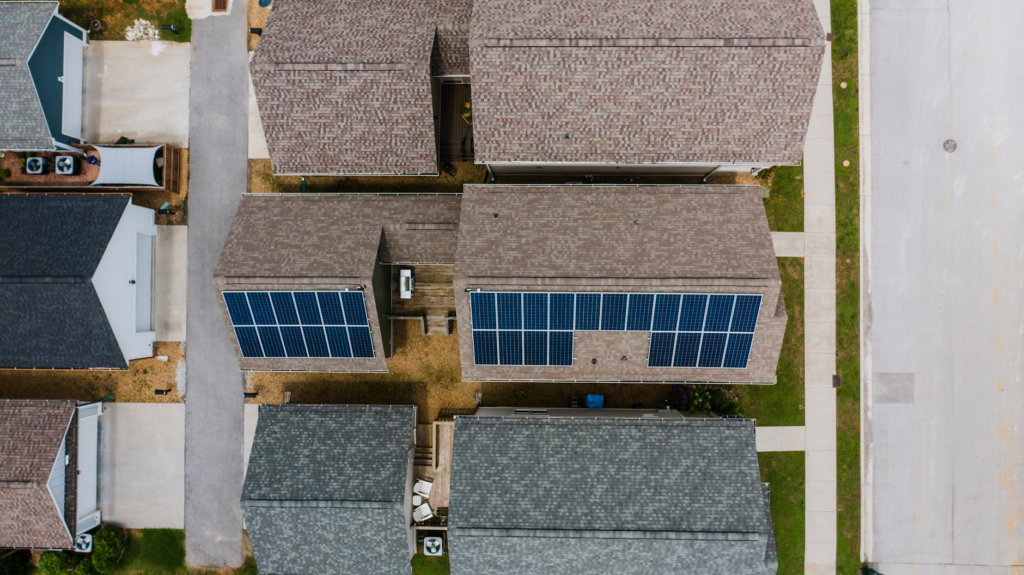
Shade is the silent energy thief. Even a small shadow from a nearby tree or an adjacent building can cut output dramatically. In the Panhandle, many properties feature mature live oaks that drop dense foliage in summer, which can be a major obstacle for solar panels.
How to Assess Orientation and Shade
Start by using a free online solar map or a smartphone app that shows sun path diagrams for your exact address. Walk around your home at different times of day and note any shadows that fall on the roof. If you’re still unsure, a professional solar site survey can provide a precise shading analysis using LiDAR or drone imagery.
Roof Age, Material, and Condition
Solar panels are typically installed for 25‑30 years, so the roof must be able to support that lifespan without major repairs. If your roof is older than 10‑15 years, you may need to replace it before installing solar. Certain roofing materials—such as asphalt shingles, metal, and standing‑seam metal—are more compatible with solar mounts than others like slate or cedar shake.
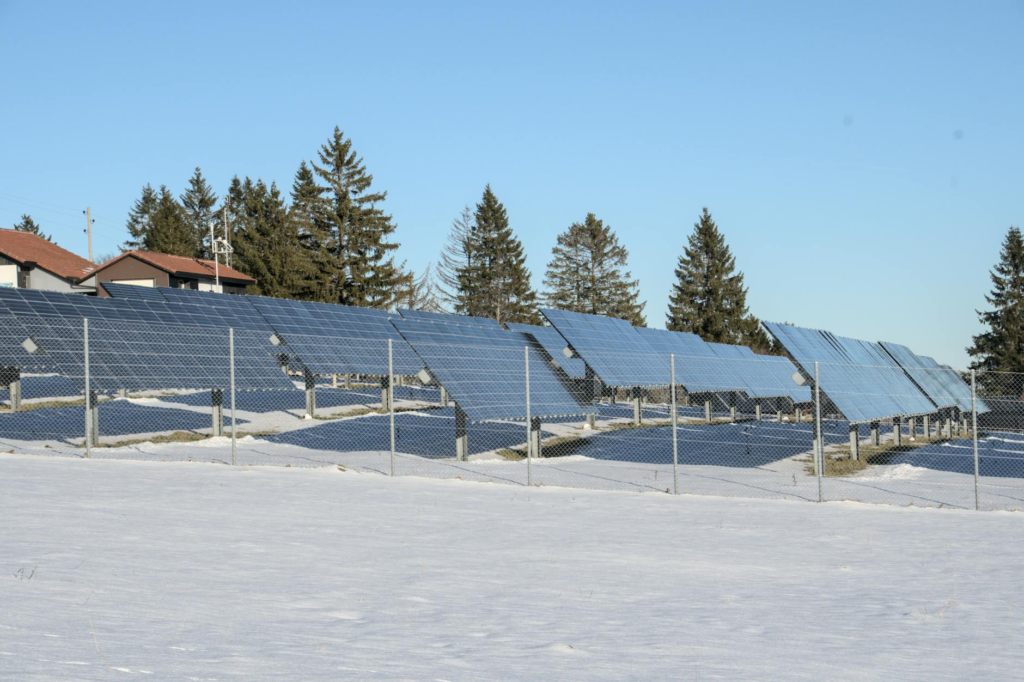
Additionally, the structural integrity of the roof matters. Roofs that have sagging rafters, water damage, or compromised framing may need reinforcement. Installing solar on a weak roof can lead to safety hazards and may void your homeowner’s insurance.
Roof Material Compatibility Checklist
- Asphalt shingles – most common, easy to mount.
- Metal roofing – excellent durability, requires special clamps.
- Tile (clay or concrete) – possible but may need additional penetrations.
- Slate – generally not recommended due to fragility.
- Wood shake – high maintenance, often avoided.
Electrical Infrastructure and Net Metering
Solar systems must connect to your home’s electrical panel. The panel must have enough available space for the inverter and a dedicated circuit breaker. In many older Florida homes, especially those built before the 1990s, the main service panel may be undersized (e.g., 100 A) and lack spare slots. Upgrading to a larger panel can add cost but is essential for optimal system performance.
Florida’s net‑metering policies allow homeowners to feed excess electricity back to the grid and receive credit at the retail rate. This arrangement dramatically improves the financial return on solar. However, some utilities in the Panhandle have introduced “value‑of‑solar” tariffs that pay a lower rate for exported power. Understanding your utility’s specific net‑metering rules is a key step when you ask, is my home a good candidate for solar?
Typical Electrical Requirements
- Minimum 200 A service for a 6‑kW system; 400 A for larger arrays.
- At least two open breaker slots for the inverter and disconnect.
- Compliance with NEC 2020 Article 690 for solar installations.
Local Climate and Weather Patterns
The Panhandle enjoys an average of 230‑260 sunny days per year, making it one of the sunniest regions in the United States. However, the area also faces a distinct hurricane season from June through November. Strong winds and heavy rain can affect both the installation process and long‑term durability of panels.
Modern solar modules are engineered to withstand wind speeds up to 140 mph when properly mounted. Still, after a major storm, it’s wise to have a qualified installer inspect the system for any loosened bolts or damaged panels. The good news is that most insurance policies in Florida now cover solar equipment, provided the installation meets local code requirements.
Seasonal Production Variations
During the summer months, the Panhandle experiences higher temperatures, which can slightly reduce panel efficiency due to the temperature coefficient. However, the longer daylight hours more than compensate for this loss. In winter, cooler temperatures actually improve panel performance, even though days are shorter. Understanding these seasonal shifts helps you set realistic expectations when you’re evaluating is my home a good candidate for solar.
Financial Incentives and Utility Rates
Florida offers a 30 % federal Investment Tax Credit (ITC) that applies to the total cost of a solar system. In addition, the state has a modest solar rebate program for residential installations, and some local municipalities in the Panhandle provide property‑tax exemptions for solar equipment. These incentives can shave tens of thousands of dollars off the upfront cost.
Utility rates in the Panhandle are generally higher than the national average, which means the savings from generating your own electricity are more pronounced. When you combine the ITC, any local rebates, and the high utility rates, the payback period for a typical 6‑kW system often falls between 5 and 8 years.
Key Incentive Timeline
- Federal ITC – 30 % of system cost (expires 2030 unless extended).
- Florida Solar Rebate – $0.15 per watt for qualified installers.
- Property Tax Exemption – Solar equipment excluded from property assessments.
- Net‑Metering Credits – Retail‑rate credit for excess generation.
Assessing Your Home: A Step‑by‑Step Checklist
Use the following checklist to systematically answer the question, “is my home a good candidate for solar?” If you can tick most boxes, you’re likely a strong candidate.
- Roof faces south, southeast, or southwest with a tilt between 15°‑30°.
- Less than 10 % of roof area is shaded during peak sun hours (10 am‑4 pm).
- Roof is less than 15 years old and made of compatible material.
- Electrical panel has at least 200 A service and two open breaker slots.
- Local utility offers full retail‑rate net metering.
- Homeowner qualifies for federal ITC and any applicable state rebates.
If you encounter several “no” answers, you may still be able to improve suitability—perhaps by trimming trees, upgrading the panel, or adding a micro‑inverter to mitigate shading. Consulting a certified solar installer will give you a precise estimate and a customized solution.
Common Myths About Solar in the Panhandle
Before you decide, it’s worth debunking a few misconceptions that often cloud the decision‑making process.
- My home is too cloudy. Even on overcast days, panels generate 10‑25 % of their rated output. The Panhandle’s high solar irradiance still yields strong annual production.
- Solar panels will ruin my roof. Properly installed racking is designed to protect roofing materials and can even extend roof life by shielding it from UV exposure.
- I’ll lose power during a hurricane. Solar systems shut down automatically when the grid goes down for safety, but battery storage can provide backup power if you choose a hybrid system.
- It’s too expensive. After incentives, most homeowners see a positive cash flow within 5‑8 years, with a 20‑30 % return on investment over the system’s life.
Professional Evaluation vs. DIY
While online calculators give a quick estimate, a professional site survey captures nuances that software can miss—such as roof penetrations, micro‑climates, and local code requirements. Moreover, many installers in Pensacola, Destin, and Panama City offer free, no‑obligation assessments that include a detailed production forecast and financial analysis.
If you enjoy hands‑on projects, a DIY solar kit can be a rewarding experience, but you’ll still need a licensed electrician to approve the interconnection with the grid. For most homeowners, partnering with a certified installer ensures compliance, maximizes incentives, and provides warranties that protect your investment.
