




When you glance at the utility bill of a neighbor just a few streets away, the difference can be startling. Even in a compact region like the Florida Panhandle, households that are only a short drive apart may see a gap of $50, $100, or more each month. This disparity isn’t a mystery; it’s the result of a complex mix of climate nuances, building characteristics, local utility policies, and resident habits. Understanding why neighborhood energy costs vary helps homeowners make smarter choices, advocate for better rates, and ultimately lower their own expenses.
Find us here:
Solar Cost Calculator – Florida Panhandle Only
* Estimate based on $3.25 per watt for solar installation.
* For Tesla Powerwall 3 Batteries, $15,000 for the first battery, $12,000 for each additional battery.
* Other variations and types of Batteries are available.
Micro‑climate Variations Within a Small Area
Even within a single city, temperature, humidity, and wind patterns can shift block by block. Areas closer to the Gulf of Mexico often experience higher humidity and slightly cooler breezes, while inland neighborhoods may endure hotter, drier air. These micro‑climate differences affect how hard air‑conditioning units must work, directly influencing electricity consumption. A home in a breezy, shaded cul‑de‑sac will typically use less cooling power than a house on a sun‑exposed, wind‑blocked street, leading to noticeable gaps in neighborhood energy costs.
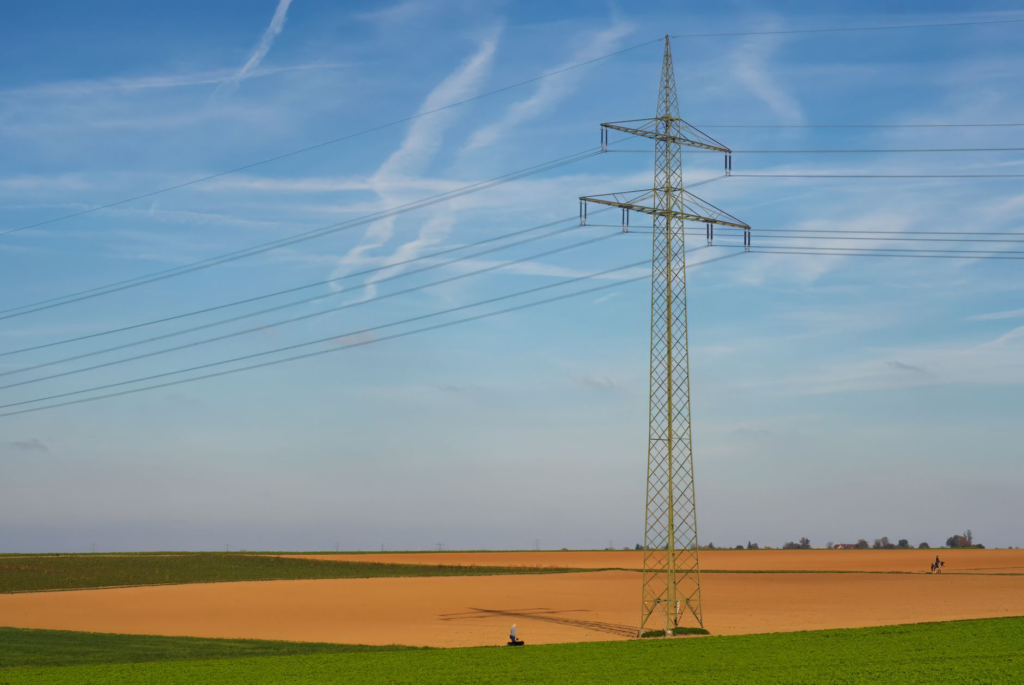
Sun exposure and shade
South‑facing homes receive more direct sunlight, especially during the summer months. Without adequate shading—like trees, awnings, or reflective roofing—solar heat gains can raise indoor temperatures by several degrees. Homeowners who invest in strategic landscaping or reflective exterior finishes often see a reduction of 5‑15 % in cooling demand, narrowing the cost gap between neighboring houses.
Wind patterns and ventilation
Wind can be a natural ally for cooling. Neighborhoods that sit on higher ground or near open water benefit from stronger breezes that help flush warm air from interiors. Conversely, low‑lying areas surrounded by taller structures may experience stagnant air, forcing HVAC systems to work harder. This subtle difference can translate into several dollars per month in electricity usage.
Building Stock and Construction Quality
The age, design, and materials of houses within a community play a pivotal role in shaping neighborhood energy costs. Older homes often lack modern insulation, efficient windows, and tight sealing, allowing conditioned air to escape and outside air to infiltrate. Newer constructions, built to current energy codes, typically feature higher R‑value insulation, low‑E glass, and advanced framing techniques that keep temperature swings in check.
- Insulation R‑value: Higher values retain heat in winter and keep heat out in summer.
- Window glazing: Low‑emissivity coatings reduce solar heat gain while preserving daylight.
- Air sealing: Proper caulking and weatherstripping prevent drafts and reduce HVAC load.
Even among homes of similar age, construction quality can differ. A house with a well‑installed HVAC system, correctly sized for its square footage, will consume far less energy than a similar‑sized home with an oversized or poorly maintained unit. The result is a noticeable swing in monthly utility expenses between neighbors.
Utility Rates, Provider Competition, and Regulatory Factors
In many parts of the United States, electricity rates are not uniform across a city. Utility companies may have multiple service zones, each with its own tariff structure based on generation costs, transmission distances, and regulatory decisions. When two houses sit on opposite sides of a service line, one may be billed at a higher per‑kilowatt‑hour (kWh) rate, inflating neighborhood energy costs for that side.

Competition among providers also matters. Some regions allow residents to choose between a traditional regulated utility and alternative suppliers offering time‑of‑use or renewable‑energy plans. Households that opt for a plan with lower off‑peak rates can shave a significant amount off their bills, while those stuck with a flat, higher‑priced plan see larger expenses.
Local Energy‑Efficiency Programs and Incentives
Municipalities and state agencies frequently roll out rebates, tax credits, and low‑interest loans for energy‑saving upgrades. Participation rates can vary dramatically from block to block, often reflecting awareness, income levels, and access to qualified contractors. A street where many homeowners have installed ENERGY STAR appliances, upgraded insulation, or added solar panels will collectively enjoy lower neighborhood energy costs than a nearby area where such programs are underutilized.
- Rebates for high‑efficiency HVAC systems.
- Tax credits for solar photovoltaic installations.
- Low‑interest loans for whole‑house retrofits.
These incentives not only reduce upfront costs but also lower ongoing utility bills, creating a compounding effect on overall household expenses.
Resident Behaviors and Lifestyle Choices
Human habits are perhaps the most variable factor influencing neighborhood energy costs. Two families living in identical houses can have vastly different bills based on thermostat settings, appliance usage, and occupancy patterns. Common behavioral drivers include:
- Thermostat set‑points: A few degrees higher in summer or lower in winter can save 5‑10 % annually.
- Peak‑hour usage: Running dishwashers, laundry, or electric vehicle chargers during high‑rate periods spikes costs.
- Lighting choices: LED bulbs consume a fraction of the power of incandescent or halogen fixtures.
Even small adjustments—like using programmable thermostats or scheduling appliance cycles for nighttime—can bring monthly savings that add up quickly, narrowing the cost disparity between neighboring homes.
Adoption of Renewable Energy Sources
Solar panels, community wind projects, and even small‑scale geothermal systems are reshaping the energy landscape. Households that generate a portion of their own electricity offset their consumption from the grid, directly lowering their bills. In neighborhoods where solar adoption is high, the average neighborhood energy costs drop, while adjacent areas without such installations may continue to pay full retail rates.
Net metering policies also play a role. Some utilities credit excess generation at full retail rates, making solar installations financially attractive. Others offer reduced credits, which can diminish the economic benefit and keep costs comparatively higher for those without renewable systems.
Comparing and Reducing Your Own Energy Expenses
If you’re puzzled by why your electric bill is higher than your neighbor’s, start with a systematic comparison. Below is a simple framework you can use to identify the main drivers of your household’s energy use.
| Factor | What to Check | Potential Savings |
|---|---|---|
| Thermostat Settings | Average summer/winter set‑points | 5‑10 % reduction |
| Insulation & Sealing | Attic, walls, windows, doors | 10‑20 % reduction |
| Utility Rate Plan | Time‑of‑use vs. flat rate | Variable, up to 15 % |
| Appliance Efficiency | Age and ENERGY STAR status | 5‑15 % reduction |
| Solar or Renewable Adoption | On‑site generation, net metering | Depends on system size |
Begin by reviewing your most recent utility statements to see where the biggest charges appear—typically electricity, gas, or water. Then, walk through each room of your house and note any obvious gaps: drafty windows, outdated light fixtures, or an HVAC system that runs constantly. Finally, contact your utility provider to verify that you’re on the most cost‑effective rate plan for your usage pattern.
Many utilities also offer free home energy audits. Taking advantage of these assessments can uncover hidden inefficiencies and point you toward local rebate programs that make upgrades more affordable.
Future Trends That May Level the Playing Field
Policy changes, technological advances, and greater consumer awareness are gradually narrowing the gap in neighborhood energy costs. As more states adopt mandatory energy‑efficiency standards for new construction, the baseline performance of homes will improve across entire regions. Likewise, the continued decline in solar panel costs and the expansion of community solar projects provide more households with access to renewable energy without needing a rooftop installation.
Smart grid technologies are also poised to transform how utilities bill customers. Dynamic pricing that reflects real‑time supply and demand can incentivize consumers to shift usage to off‑peak hours, smoothing out cost spikes that currently affect certain neighborhoods more than others.
Conclusion
Differences in neighborhood energy costs stem from a blend of environmental, structural, regulatory, and behavioral factors. By pinpointing the specific drivers in your own area—whether it’s micro‑climate effects, building envelope quality, utility rate structures, or personal habits—you can take targeted actions to lower your bills. As energy‑efficiency programs expand and renewable options become more accessible, the disparity between adjacent streets is likely to shrink, giving every homeowner a clearer path to affordable, sustainable power.
