



Introduction
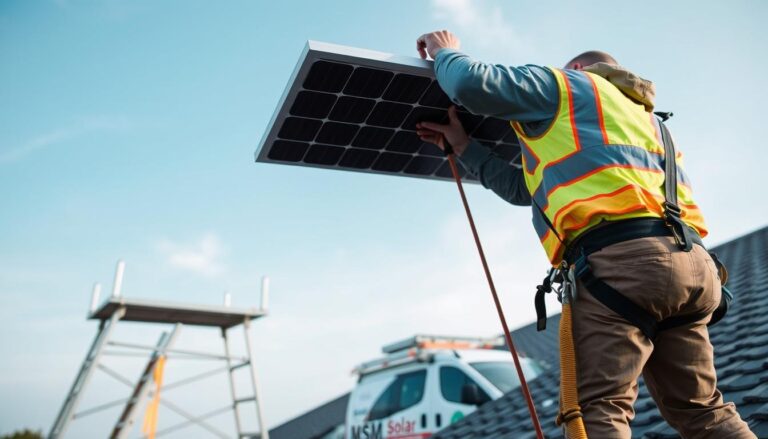
When a Florida Panhandle homeowner decides to install a solar array, the decision does more than just reduce electricity bills. It often sparks a shift in how the entire property is cared for. The visibility of energy production on a daily basis creates a tangible reminder that the house is an active system, not a static structure. As the panels generate power, owners become more attuned to the factors that can affect that output—roof condition, shading, and overall building health. This heightened awareness naturally leads to a habit of preventive maintenance solar practices that keep the home running efficiently and protect the investment for years to come.
Find us here:
Solar Cost Calculator – Florida Panhandle Only
* Estimate based on $3.25 per watt for solar installation.
* For Tesla Powerwall 3 Batteries, $15,000 for the first battery, $12,000 for each additional battery.
* Other variations and types of Batteries are available.
Solar Systems Change Homeowner Mindset
Traditional home ownership often follows a reactive pattern: a leak appears, a window cracks, and then a repair is called. Solar owners, however, receive real‑time performance data from inverters and monitoring apps. When a panel’s output dips, the homeowner sees an immediate metric that signals a possible issue, prompting a check before the problem escalates. This data‑driven approach encourages a proactive stance, turning routine inspections into a habit rather than an afterthought. The result is a culture of preventive maintenance solar that aligns everyday home care with the goal of preserving energy production.
Financial Visibility
Solar panels provide a clear financial incentive to stay on top of maintenance. Each kilowatt‑hour not generated represents a missed opportunity to offset utility costs. Homeowners quickly learn that a dirty panel, a loose mounting bracket, or a minor roof leak can shave off a noticeable percentage of their monthly savings. By regularly cleaning panels, tightening hardware, and inspecting the roof, they protect the revenue stream that the system creates. This direct correlation between upkeep and dollars saved reinforces the practice of preventive maintenance solar as a smart financial habit.
Environmental Responsibility
Beyond personal finances, many Florida Panhandle residents view solar as a contribution to a cleaner environment. The desire to maximize renewable energy generation encourages them to eliminate anything that could diminish performance—such as overgrown trees or accumulated dust. This sense of stewardship extends to the broader home, prompting owners to address water intrusion, insulation gaps, and pest entry points before they become larger ecological concerns. In this way, the ethos of preventive maintenance solar blends financial prudence with an environmentally conscious mindset.
The Direct Link Between Solar Production and Home Upkeep
The roof is the foundation of a solar installation. A compromised shingle or a hidden leak can not only damage the panels but also lead to costly interior repairs. Homeowners who monitor their system’s output become adept at spotting subtle drops that may indicate a roof issue. Regular roof inspections—checking for cracked tiles, moss growth, and flashing integrity—are therefore integral to maintaining both the structural health of the house and the efficiency of the solar array. This synergy illustrates how preventive maintenance solar practices serve dual purposes: protecting the home’s envelope while safeguarding energy yields.
Seasonal Preventive Maintenance Checklist
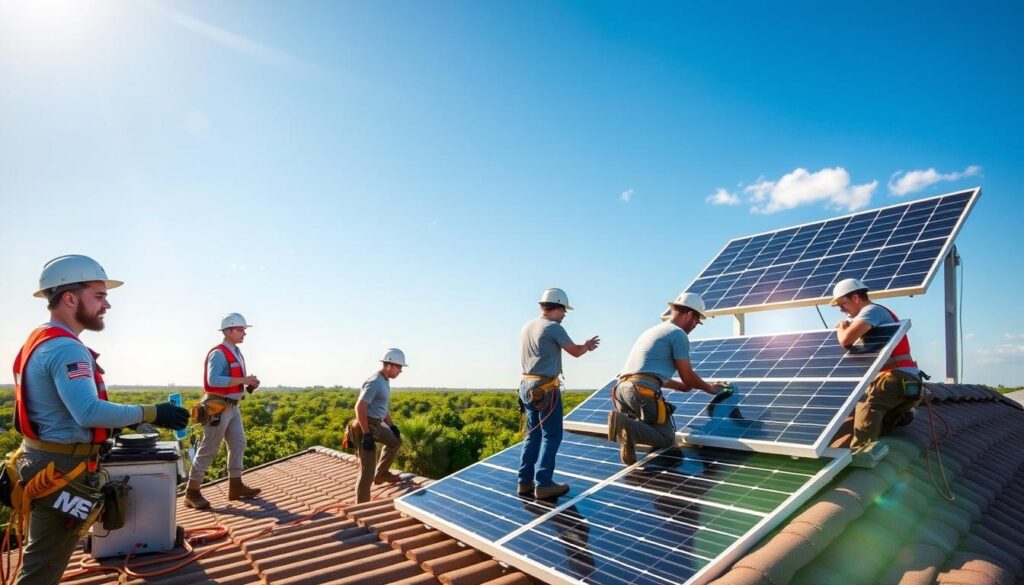
Florida’s climate brings distinct challenges throughout the year, from humid summers to occasional winter cold snaps. Aligning home maintenance tasks with these seasonal shifts ensures that both the house and the solar system stay in peak condition. Below is a concise checklist that integrates typical home upkeep with solar‑specific actions, making it easier for owners to adopt a comprehensive preventive maintenance solar routine.
| Season | Home Maintenance Tasks | Solar‑Specific Actions |
|---|---|---|
| Spring | Inspect roof for storm damage, clean gutters, seal exterior cracks. | Wash panels, trim new foliage, check inverter ventilation. |
| Summer | Service HVAC, check attic insulation, verify proper drainage. | Monitor panel temperature, ensure no shading from mature trees. |
| Fall | Clear leaves from roof and gutters, inspect flashing, test smoke detectors. | Inspect mounting hardware for corrosion, calibrate monitoring software. |
| Winter | Check for condensation, inspect pipe insulation, service water heater. | Verify that panels are free of ice or frost, confirm inverter performance. |
Practical Tips for Busy Homeowners
- Set calendar reminders for quarterly roof inspections aligned with your solar monitoring reports.
- Use a soft‑brush solar cleaning kit to avoid scratching panels while removing dust and pollen.
- Combine gutter cleaning with panel washing to maximize efficiency on a single day.
- Schedule a professional electrical inspection annually to ensure wiring integrity behind the panels.
- Document any maintenance activity in a simple log; this record helps track trends in energy output.
Leveraging Technology for Preventive Maintenance Solar
Modern solar monitoring platforms provide more than just real‑time production data; they can alert owners to performance anomalies that may signal a maintenance need. By enabling push notifications for sudden output drops, homeowners receive immediate prompts to investigate potential shading, debris, or hardware issues. Integrating these alerts with smart home devices—such as voice assistants that can log a maintenance task—creates a seamless workflow. This tech‑enabled approach turns what could be a reactive repair into a scheduled, proactive check, reinforcing the habit of preventive maintenance solar without requiring extensive manual oversight.
Building a Long‑Term Maintenance Calendar
Creating a maintenance calendar that spans the entire year helps homeowners visualize when each task should be performed. Start by mapping out the seasonal checklist from earlier, then add specific dates for deeper inspections, such as a mid‑summer HVAC tune‑up or a pre‑winter roof seal. Incorporate solar‑related milestones, like the annual inverter warranty check and the bi‑annual panel cleaning schedule. By syncing these dates with personal reminders—whether on a phone app or a paper planner—owners embed preventive maintenance solar into their routine, reducing the likelihood of missed tasks and unexpected breakdowns.
Common Mistakes to Avoid
- Neglecting to clean panels after a heavy pollen season, which can reduce output by up to 10%.
- Overlooking roof flashings around panel mounts, leading to water infiltration.
- Relying solely on professional service without performing visual checks between visits.
- Skipping inverter firmware updates that improve efficiency and safety.
- Assuming that a warranty covers all maintenance; most policies require regular homeowner upkeep.
Cost Savings Over Time
Investing time in preventive maintenance solar yields tangible financial benefits. Regular cleaning and hardware checks keep panels operating near their rated capacity, maximizing the offset against utility rates. Early detection of roof leaks prevents water damage that could otherwise cost thousands in repairs. Moreover, many insurance providers offer discounts for homes that demonstrate proactive maintenance practices, further reducing overhead. Over a typical 25‑year system lifespan, these cumulative savings can easily surpass the initial installation cost, reinforcing the value of an ongoing maintenance mindset.

Community Resources in the Florida Panhandle
Local homeowner associations, extension services, and solar installers often host workshops on best practices for system upkeep. These events provide hands‑on demonstrations of safe panel cleaning, roof inspection techniques, and the use of monitoring tools. Participating in community groups also offers a network of peers who can share experiences, recommend reliable contractors, and alert each other to seasonal hazards such as hurricanes or heavy rain events. Engaging with these resources enhances the effectiveness of preventive maintenance solar efforts and builds a supportive environment for sustained home health.
Conclusion
For homeowners in the Florida Panhandle, adopting solar power does more than cut electricity bills—it cultivates a proactive approach to home care. By linking energy production to everyday maintenance, owners naturally embrace preventive maintenance solar habits that protect both their investment and their property. Consistent inspections, seasonal checklists, and smart technology together create a resilient, efficient home that thrives under the sun.
