




Retiring in the sunny Gulf Coast towns of Fort Walton Beach, Destin, or Pensacola offers a relaxed lifestyle, but it also brings new responsibilities—especially when it comes to managing household energy costs. As utility rates fluctuate and climate patterns shift, having a clear plan for your home’s power usage can protect your budget and keep your comfort level steady. This retirement home energy planning checklist walks you through every step, from a quick audit to long‑term upgrades, so you can face the future with confidence and avoid unexpected bills.
Find us here:
Solar Cost Calculator – Florida Panhandle Only
* Estimate based on $3.25 per watt for solar installation.
* For Tesla Powerwall 3 Batteries, $15,000 for the first battery, $12,000 for each additional battery.
* Other variations and types of Batteries are available.
Why Energy Planning Matters for Retirees
Most retirees rely on fixed incomes, making it essential to keep living expenses predictable. Energy consumption often represents the second‑largest household cost after housing itself. By taking a proactive approach to retirement home energy planning, you can identify waste, improve comfort, and even increase the resale value of your property. In coastal Florida, humidity and heat demand efficient cooling, while occasional cold snaps call for reliable heating. A well‑crafted plan ensures you’re prepared for both extremes, reduces your carbon footprint, and may qualify you for local rebates offered by the Gulf Coast utilities.
Assessing Your Current Energy Profile
The first step in any retirement home energy planning process is to understand how much power you already use. Gather the past 12 months of utility statements and note patterns: spikes in summer air‑conditioning, higher usage during winter evenings, or unexpected surges on weekends. Many providers now offer online dashboards that break down consumption by appliance or time of day, making it easier to spot inefficiencies. Write down your average monthly kilowatt‑hour (kWh) usage and compare it with the national average for homes of similar size. This baseline will guide every subsequent decision on upgrades, budgeting, and behavior changes.
Conduct a Home Energy Audit
A professional energy audit is a cornerstone of effective retirement home energy planning. Certified auditors use infrared cameras, blower doors, and diagnostic tools to locate leaks, poor insulation, and equipment that’s consuming more power than it should. Many local utilities in Fort Walton Beach, Destin, and Pensacola offer free or discounted audits for seniors. If a professional audit isn’t feasible, you can perform a basic DIY walk‑through: check for drafts around windows, feel for cold spots on walls, and listen for humming appliances that never turn off. Document every finding, as these observations will become actionable items in your checklist.
Set Realistic Energy Goals
With data in hand, set clear, measurable objectives for your retirement home energy planning. Goals might include reducing monthly electricity use by 15 %, lowering the heating bill by 20 %, or achieving a specific ENERGY STAR rating for major appliances. Write each goal on a separate line, and assign a target date—often aligning with seasonal changes, such as completing insulation work before the hot summer months. By breaking larger ambitions into bite‑size milestones, you’ll stay motivated and be able to track progress easily.
Upgrade to Energy‑Efficient Appliances
Older refrigerators, washing machines, and HVAC units can consume up to twice the power of newer, ENERGY STAR‑qualified models. When it’s time to replace a major appliance, prioritize efficiency ratings and look for rebates offered by Florida Power & Light or Gulf Power. For retirees, the upfront cost can be mitigated by financing options that spread payments over several years, making the upgrade a low‑risk part of your retirement home energy planning strategy. Remember to properly dispose of old equipment through local recycling programs to keep hazardous materials out of the environment.
Seal Gaps and Improve Insulation
Air leaks around doors, windows, and ductwork are a major source of energy loss, especially in the humid Gulf Coast climate. Use weather‑stripping, caulk, and expanding foam to close gaps, and add attic insulation to the recommended R‑value for Florida (R‑30 to R‑38). Proper insulation not only reduces cooling costs but also keeps indoor humidity at comfortable levels, protecting furniture and health. This step is often the most cost‑effective improvement in any retirement home energy planning checklist, delivering quick savings with minimal disruption.
Consider Renewable Energy Options
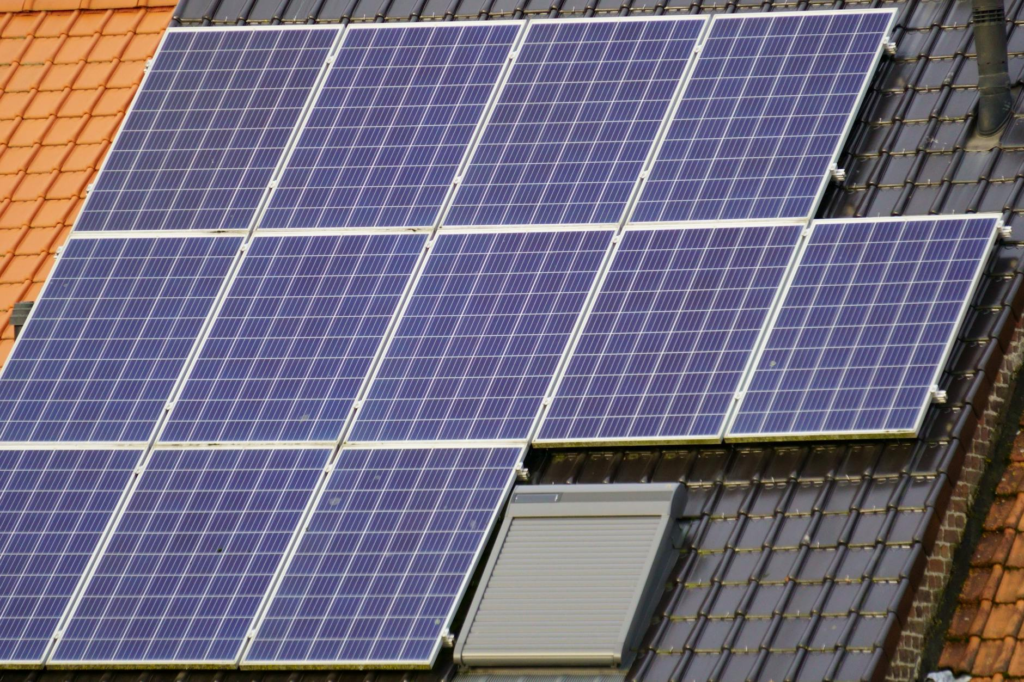
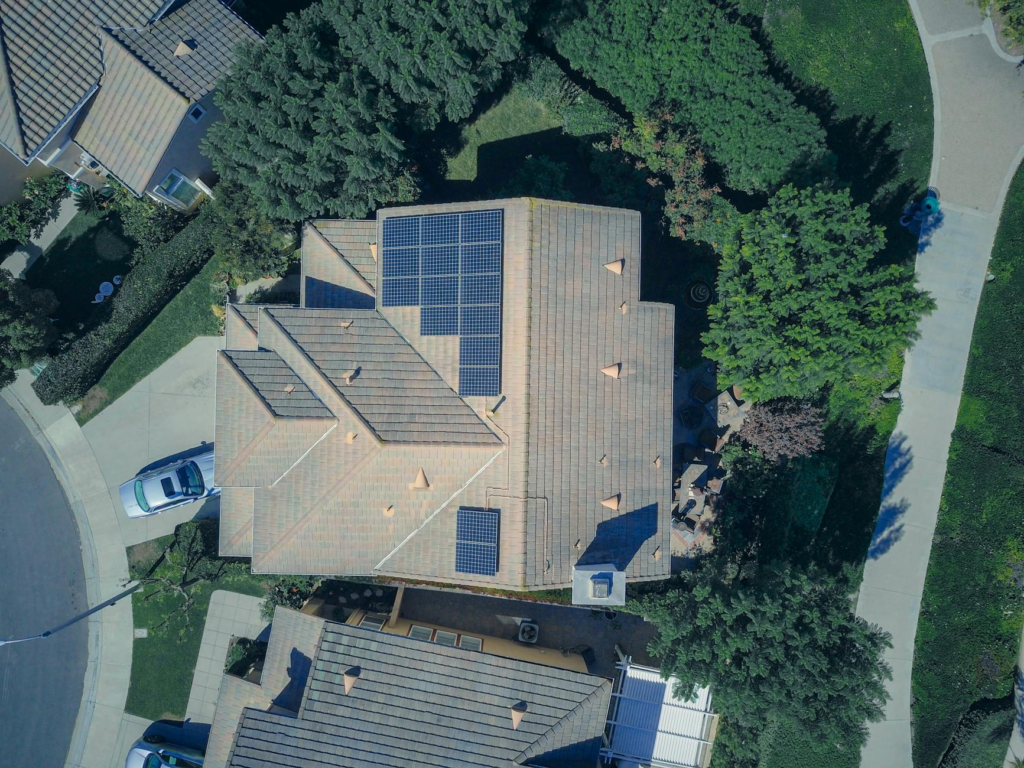
Solar panels have become increasingly affordable, and many Florida homeowners benefit from net‑metering programs that credit excess generation back to the grid. When evaluating solar for your retirement home, assess roof orientation, shading, and available incentives such as the federal Investment Tax Credit (ITC). Even a modest 3‑kW system can offset a significant portion of your electricity use during sunny months. If full‑scale solar feels overwhelming, start with a solar‑powered water heater or outdoor lighting—both easy additions that fit neatly into a retirement home energy planning roadmap.
Create a Budget and Financing Plan
Financial planning is integral to retirement home energy planning. List all anticipated costs—audit fees, insulation materials, new appliances, and potential solar installation. Compare these expenses against projected savings over a 5‑ to 10‑year horizon. Many banks and credit unions in the Pensacola area offer low‑interest green loans specifically for energy upgrades. Additionally, check with local government agencies for grant programs aimed at seniors. By aligning your upgrade schedule with budget cycles, you avoid cash‑flow strain and ensure each investment delivers a clear return.
Seasonal Adjustments and Smart Controls
Smart thermostats and programmable lighting can fine‑tune your home’s energy use without sacrificing comfort. Set the thermostat a few degrees higher in summer and lower in winter when you’re away, and program lights to dim or turn off automatically. Many devices integrate with voice assistants, allowing you to adjust settings without leaving your chair—a convenient feature for retirees. Seasonal checklists—such as cleaning HVAC filters before the cooling season—should be incorporated into your broader retirement home energy planning schedule.
Maintenance Schedule for Longevity
Regular maintenance keeps your energy‑saving investments performing at peak efficiency. Create a simple calendar: quarterly HVAC filter changes, annual furnace inspections, bi‑annual checks of insulation and sealing, and a yearly review of utility statements. Keeping records of service dates and costs helps you spot trends and justify future upgrades. Consistent upkeep also extends the lifespan of appliances, reducing the need for premature replacements and supporting the long‑term goals of your retirement home energy planning strategy.
Leverage Local Resources and Incentives
The Gulf Coast region offers a wealth of resources tailored for seniors seeking to improve home efficiency. The Florida Energy Office provides a directory of certified contractors who specialize in senior‑friendly installations. Community colleges in Destin and Pensacola often host free workshops on energy‑saving techniques. Additionally, utility companies run seasonal rebate programs for LED lighting, low‑flow fixtures, and high‑efficiency HVAC units. By tapping into these local supports, you can accelerate your retirement home energy planning timeline while keeping costs low.
Retirement Home Energy Planning Checklist
| Task | Completed? |
|---|---|
| Gather 12‑month utility statements | |
| Schedule professional home energy audit | |
| Seal windows, doors, and ductwork | |
| Upgrade to ENERGY STAR appliances | |
| Add attic insulation to R‑30+ | |
| Install smart thermostat and programmable lighting | |
| Evaluate solar panel feasibility | |
| Apply for local rebates and financing | |
| Set quarterly maintenance reminders |
Print this table or keep it on your phone, checking off each item as you complete it. Seeing progress visually reinforces the habit of proactive energy management, a core principle of effective retirement home energy planning.
Final Thoughts
Implementing a thorough retirement home energy planning checklist empowers you to control costs, enhance comfort, and contribute to a greener community in Fort Walton Beach, Destin, and Pensacola. By following the steps outlined above—starting with a solid audit, moving through targeted upgrades, and staying disciplined with maintenance—you’ll enjoy peace of mind knowing your home’s energy future is secure. Take the first step today, and watch the savings add up month after month.
