


Introduction: Why Roof Material Matters for Solar Projects
When homeowners in Pensacola or Tallahassee decide to go solar, the conversation often jumps straight to panel efficiency, financing options, and utility rebates. Yet one of the most decisive factors—roof material solar installation—frequently receives less attention than it deserves. The type of roofing you have dictates the mounting hardware, the amount of labor required, and even the permitting process. Understanding these nuances can prevent costly delays, protect your roof’s lifespan, and ensure your solar array performs at peak efficiency. In this guide we’ll explore how tile, shingle, and metal roofs each influence solar installation complexity, with a focus on the unique climate and building codes of the Florida Panhandle.
Find us here:
Solar Cost Calculator – Florida Panhandle Only
* Estimate based on $3.25 per watt for solar installation.
* For Tesla Powerwall 3 Batteries, $15,000 for the first battery, $12,000 for each additional battery.
* Other variations and types of Batteries are available.
Understanding Roof Materials and Their Structural Traits
Before diving into specific roof types, it’s helpful to grasp the basic structural differences that affect solar mounting. Roofs are typically classified by their load‑bearing capacity, surface texture, and the method used to attach flashing. A roof that can support a higher static load will accommodate heavier racking systems, while a smooth, low‑profile surface often allows for simpler, non‑penetrating mounts. Additionally, the age of the roof and the presence of insulation layers can change the installation approach. By evaluating these characteristics early, installers can select the most appropriate mounting technique and avoid compromising the roof’s integrity.

Tile Roofs: Beauty Meets Installation Challenge
Tile roofs—common in historic neighborhoods of Tallahassee—offer excellent durability and a distinctive aesthetic, but they also introduce a higher level of complexity for roof material solar installation. The individual tiles are often heavy and can be brittle, requiring careful removal and replacement during mounting. Installers typically use a “tile removal and re‑installation” method, where each tile is lifted, the mounting bracket is secured to the underlying wood decking, and the tile is placed back. This process can add 30‑50 % more labor time compared to shingle roofs. Moreover, the need to preserve the roof’s waterproofing means extra attention to flashing and sealants, especially in a region prone to heavy rain and hurricanes.
Shingle Roofs: The Most Common and Versatile Choice
As the dominant roofing material in both Pensacola and Tallahassee, asphalt shingles present the least complicated scenario for roof material solar installation. Their lightweight nature and the ease of accessing the roof deck make it simple to use standard penetration mounts. Installers can drill through the shingle layer, attach a flashing plate, and seal the penetration with a high‑quality sealant. This method typically requires fewer steps than tile roofs and aligns well with the fast‑track permitting processes in many Florida counties. However, it’s still essential to assess the shingle’s age; older shingles may be more fragile, and replacing them before mounting can prevent future leaks.
Metal Roofs: Lightweight Yet Technically Demanding
Metal roofs have surged in popularity across the Gulf Coast due to their longevity and resistance to wind uplift. From a roof material solar installation perspective, metal panels offer a paradox: they are light and strong, yet the installation requires specialized mounting systems that clamp onto the standing seams without piercing the material. This “non‑penetrating” approach preserves the roof’s warranty but demands precise alignment and additional hardware, which can increase material costs. In areas like Pensacola, where wind speeds can exceed 100 mph during storm events, the proper selection of clamp type and torque settings is critical to ensure the array remains securely attached.

Regional Considerations: Pensacola vs. Tallahassee
While the fundamental principles of roof material solar installation apply statewide, local climate and building codes introduce subtle variations. Pensacola’s coastal location subjects roofs to higher salt‑air exposure, which can accelerate corrosion on metal mounting hardware if not properly coated. Conversely, Tallahassee’s hotter interior climate can cause greater thermal expansion in tile roofs, requiring installers to incorporate flexible flashing solutions. Both cities enforce strict wind‑load standards, but Tallahassee’s inland location often allows for slightly less stringent requirements on roof penetrations. Understanding these regional nuances helps homeowners select the most appropriate mounting system for their specific roof type.
Key Installation Techniques by Roof Type
- Tile roofs: Tile‑lift method with custom flashing plates.
- Shingle roofs: Penetrating mounts with sealed flashing.
- Metal roofs: Standing‑seam clamps or adhesive‑based non‑penetrating systems.
Safety, Permitting, and Code Compliance
Every roof material solar installation must adhere to local building codes, especially regarding fire ratings and wind resistance. Tile roofs often require additional fire‑stop measures because the removal process can expose the underlying structure. Shingle installations must ensure that roof penetrations do not compromise the roof’s fire classification. Metal roof mounts must be tested for wind uplift and may need supplemental anchoring in high‑wind zones. Homeowners should work with licensed electricians and solar contractors who are familiar with the specific code language in Pensacola and Tallahassee to avoid costly re‑work.
Cost Implications Tied to Roof Material
Installation costs can vary dramatically based on the roof material involved. Tile roofs typically command the highest labor rates due to the delicate handling and additional flashing requirements, often adding $0.50‑$1.00 per watt to the overall project cost. Shingle roofs are the most cost‑effective, with standard mounting hardware and less labor-intensive processes. Metal roofs sit in the middle; while the material itself is inexpensive, the specialized clamps and engineering design can increase material expenses by 10‑15 %. When budgeting, homeowners should request a detailed breakdown that isolates roof material solar installation labor from other project components.
Choosing the Right Solar Installer for Your Roof
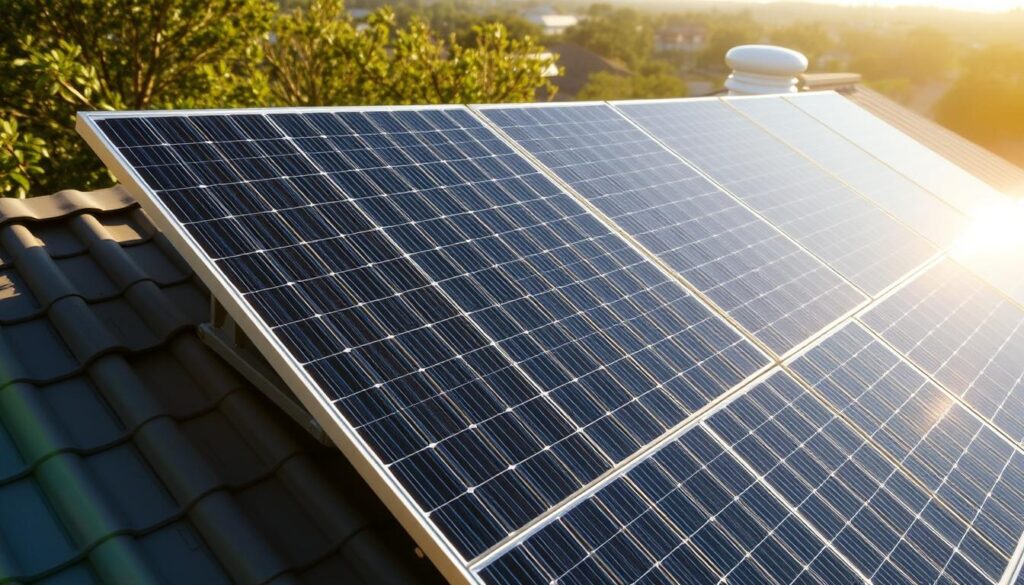
Not all solar contractors have equal experience with every roof type. For tile roofs, seek installers who have completed at least three tile‑roof projects in the past year and can provide references. For shingle roofs, verify that the contractor follows a documented flashing protocol and offers a warranty that covers roof penetrations. For metal roofs, ask about the specific clamp system they use and whether it is approved by the roof manufacturer. A knowledgeable installer will also coordinate with your roofing contractor to address any warranty concerns before the solar system is mounted.
Post‑Installation Maintenance and Roof Longevity
After the solar array is live, maintenance routines differ by roof material. Tile roofs may need periodic inspections to ensure tiles remain properly seated over the mounting brackets, especially after severe storms. Shingle roofs benefit from regular visual checks for cracked or missing shingles around the mounting points. Metal roofs require less frequent inspection, but it’s wise to verify that clamps remain tight and that there is no corrosion at the contact points. In all cases, cleaning the panels and trimming nearby vegetation will help maintain optimal energy production while protecting the roof’s condition.
Future‑Proofing Your Solar Investment
Homeowners should consider the long‑term implications of roof material solar installation when planning upgrades or expansions. If you anticipate adding storage batteries or additional panels in the future, choosing a mounting system that can accommodate extra weight without re‑rooftopping is essential. For tile roofs, this might mean installing a robust sub‑frame during the initial build. For metal roofs, selecting clamps with adjustable tension can simplify future modifications. By thinking ahead, you protect both your roof’s integrity and your solar investment’s return on investment.
Quick Reference: Roof Type Comparison
| Roof Type | Installation Complexity | Typical Mounting Approach |
|---|---|---|
| Tile | High – requires tile removal, custom flashing, and careful sealing. | Penetrating mounts with tile‑lift method. |
| Shingle | Moderate – straightforward penetrations with standard flashing. | Penetrating mounts with sealed flashing plates. |
| Metal | Variable – non‑penetrating clamps or specialized fasteners needed. | Standing‑seam clamps or adhesive‑based systems. |
Conclusion: Aligning Roof Material with Solar Goals
Choosing the right solar solution starts with a clear understanding of how roof material solar installation impacts complexity, cost, and long‑term performance. Whether you have a classic tile roof in Tallahassee, a common shingle roof in Pensacola, or a modern metal roof elsewhere in the Panhandle, each presents distinct challenges and opportunities. By partnering with an experienced installer who respects the nuances of your roof type, you can streamline the permitting process, protect your roof’s warranty, and maximize the energy output of your solar array for years to come.
