



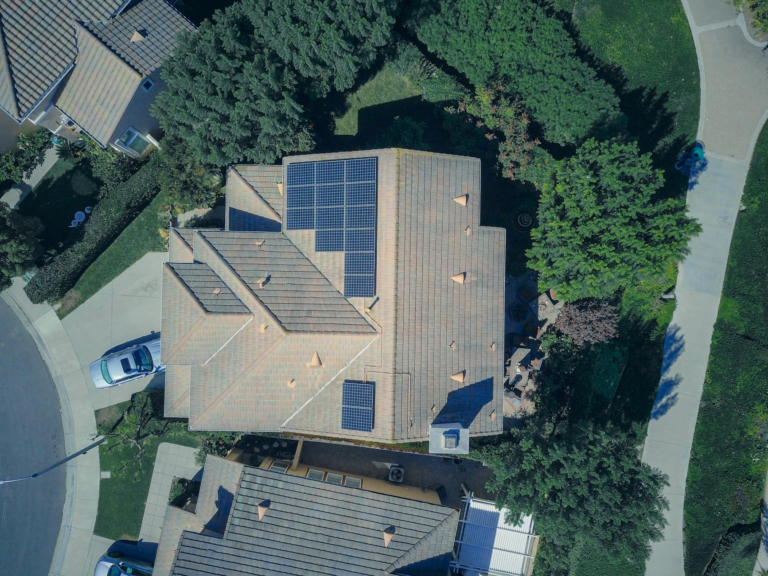
Understanding the Connection Between Roof Shape and Solar Design
When homeowners in the Florida Panhandle decide to go solar, they often focus on panel efficiency, financing options, and local incentives. What they sometimes overlook is how the shape of their roof can dramatically influence the success of a solar installation. The term roof shape solar design refers to the strategic planning that takes the roof’s geometry into account to maximize energy production, ensure structural safety, and keep installation costs reasonable. In this article we’ll explore why roof shape matters more than most people realise, examine the most common roof styles found across the Panhandle, and provide practical guidance for homeowners and installers alike.
Find us here:
Solar Cost Calculator – Florida Panhandle Only
* Estimate based on $3.25 per watt for solar installation.
* For Tesla Powerwall 3 Batteries, $15,000 for the first battery, $12,000 for each additional battery.
* Other variations and types of Batteries are available.
Why Roof Shape Matters for Solar Projects
The roof is the foundation upon which every solar array sits, so its shape directly impacts how panels can be positioned, how much sunlight they receive, and how they interact with the building’s structure. A well‑thought‑out roof shape solar design can increase the system’s annual energy yield by 10‑20 percent compared with a generic layout that ignores roof geometry. Moreover, certain roof configurations can simplify the mounting process, reduce the need for costly structural reinforcements, and improve the aesthetic integration of panels with the home’s architecture.
Sun Exposure and Panel Tilt Angles
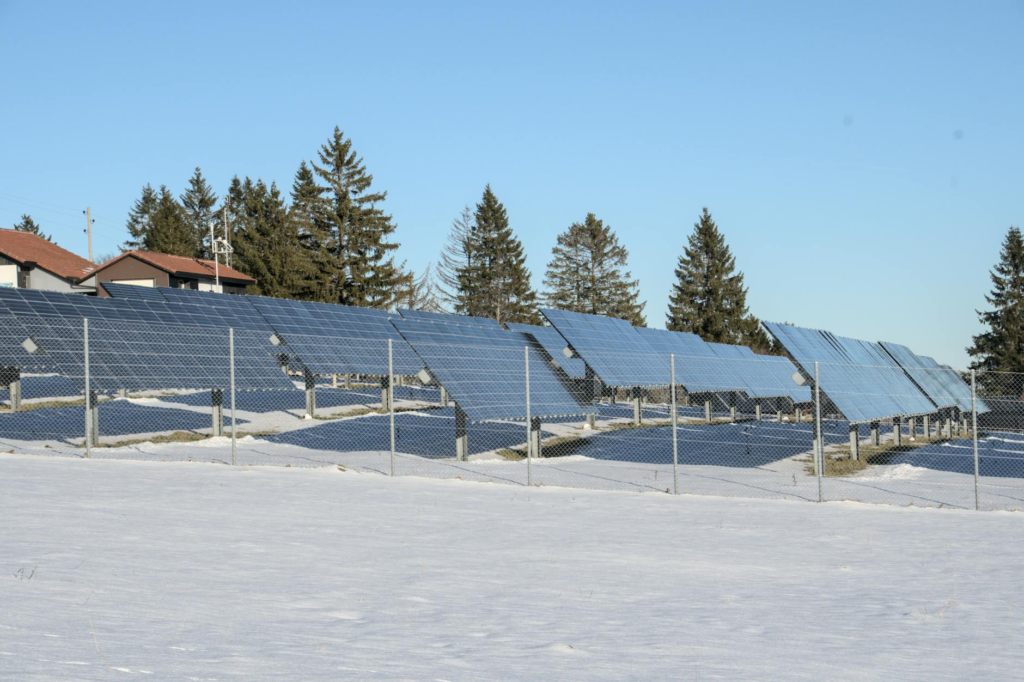
Sun exposure is the single most important factor for solar performance. Roof pitch, orientation, and the presence of dormers or skylights all affect the angle at which sunlight strikes the panels. In the Panhandle, the optimal tilt for fixed‑mount panels is typically between 20° and 30° to capture the most sunlight throughout the year. A steep gable roof that naturally sits at 30° can often accommodate panels without additional tilt adjustments, while a shallow‑pitch hip roof may require mounting hardware that adds the necessary angle. Ignoring these nuances in a roof shape solar design can lead to sub‑optimal energy production and higher payback periods.
Structural Load and Wind Considerations
Florida’s coastal climate brings strong winds and occasional hurricanes, making structural load a critical consideration. Different roof shapes distribute weight and wind forces in unique ways. For example, a flat roof may require a robust racking system to prevent panels from being lifted by gusts, whereas a steeply pitched roof often benefits from gravity‑assisted drainage that reduces wind uplift. A comprehensive roof shape solar design must evaluate the existing roof framing, verify that it can support the added weight of panels and mounting hardware, and, if necessary, recommend reinforcement measures before installation.
Common Roof Styles in the Florida Panhandle
The Panhandle’s residential architecture reflects a mix of historic and modern influences, resulting in a variety of roof shapes. Each style presents its own set of opportunities and challenges for solar designers. Understanding the characteristics of these roofs helps installers create a customized plan that respects both the home’s aesthetics and its energy goals.
Gable Roofs
Gable roofs are perhaps the most common in the region. They feature two sloping planes that meet at a central ridge, creating a triangular profile. The steep pitch—often between 30° and 45°—makes them ideal for solar panels, as the natural angle aligns closely with the optimal tilt for the area. However, the presence of eaves and overhangs can cast shadows on the lower sections of the roof, so a careful roof shape solar design must account for these obstructions, possibly by using micro‑inverters or power optimizers to mitigate shading losses.
Hip Roofs
Hip roofs have four sloping sides that converge at a ridge, creating a pyramid‑like shape. Their pitch is usually moderate, ranging from 20° to 30°, which is close to the ideal tilt for solar panels but may require additional mounting hardware to achieve the precise angle needed for maximum output. Because all four sides are usable, a hip roof can accommodate a larger array, but the layout must be carefully planned to avoid shading from the roof’s own edges and to ensure that panels on opposite sides do not interfere with each other’s performance.
Flat Roofs
Flat roofs are popular for modern homes and commercial buildings. They provide a large, unobstructed surface that can host a substantial solar array. However, because the roof is essentially horizontal, panels must be mounted on tilted racks to capture optimal sunlight. This adds to material costs and can increase wind uplift forces. A thorough roof shape solar design for flat roofs includes selecting low‑profile mounting systems, incorporating ballast or anchoring methods, and ensuring proper drainage to prevent water pooling around the panels.
Metal Standing‑Seam Roofs
Metal standing‑seam roofs are favored for their durability and low maintenance. Their smooth surface and consistent seam spacing make them well suited for a “clip‑on” mounting approach that avoids penetrating the roof membrane. The pitch can vary, but many metal roofs in the Panhandle are installed at a moderate angle of 15°‑25°. In a roof shape solar design, installers often use specialized clamps that snap onto the seams, preserving the roof’s integrity while providing a secure platform for panels.
Impact on Solar Panel Layout and System Size
The geometry of a roof dictates how many panels can be placed, how they are oriented, and whether a single‑axis tracker is feasible. For instance, a gable roof with a clear south‑facing slope may accommodate a full‑size 6‑kW residential system without any shading concerns. Conversely, a hip roof with multiple orientations may require splitting the array into two or more sub‑arrays, each optimized for its own direction. Flat roofs often benefit from a “portrait” layout, where panels are placed vertically on tilted racks to maximize the use of space. Ignoring these layout nuances can lead to under‑utilized roof area or unnecessary system oversizing, both of which affect the project’s return on investment.
Design Considerations for Each Roof Shape
- Gable Roofs: Prioritize the south‑facing plane, use micro‑inverters to mitigate shading from eaves, and consider adding a small tilt adjustment if the pitch is steeper than 35°.
- Hip Roofs: Design a split‑array system that aligns panels on each slope, incorporate power optimizers to balance output, and ensure mounting hardware can handle the four‑sided layout.
- Flat Roofs: Choose low‑profile, ballasted racking systems, verify wind uplift ratings, and plan for adequate spacing to allow maintenance access and drainage.
- Metal Standing‑Seam Roofs: Use clip‑on mounts that attach to seams without penetrations, verify that the roof’s pitch is sufficient for the selected tilt, and check for compatibility with the roof’s coating.
Roof Types vs. Solar Design Factors
| Roof Type | Typical Pitch (°) | Best Solar Tilt Adjustment | Key Design Challenge |
|---|---|---|---|
| Gable | 30‑45 | Minimal (often none) | Shading from eaves |
| Hip | 20‑30 | Small tilt plates | Complex layout across four sides |
| Flat | 0‑5 | Dedicated rack system | Wind uplift & drainage |
| Metal Standing‑Seam | 15‑25 | Clip‑on tilt brackets | Ensuring seal integrity |
Tips for Homeowners and Installers
- Conduct a detailed roof inspection early in the planning phase to identify structural concerns, potential shading obstacles, and the exact dimensions of usable space.
- Use solar simulation software that incorporates roof geometry to predict energy production accurately; this helps justify the investment to lenders and utility programs.
- When possible, choose mounting solutions that match the roof material to avoid unnecessary penetrations—clip‑on mounts for metal, recessed rails for shingles, and ballasted racks for flat roofs.
- Plan for future roof maintenance; ensure that panels can be accessed for cleaning or repairs without requiring major disassembly.
- Consider integrating battery storage if the roof orientation limits daytime generation; this can smooth out production gaps caused by shading or less‑optimal tilt.
Frequently Asked Questions About Roof Shape and Solar Design
Can I install solar panels on a roof with a very low pitch? Yes, but you’ll need a robust racking system that provides the necessary tilt and wind resistance. Low‑pitch roofs often require ballasted or anchored mounts to keep panels stable.
Do roof repairs have to be completed before a solar installation? Ideally, any major repairs or replacements should be finished first. Installing panels on a roof that may need future work can lead to additional labor costs and potential damage to the solar system.
Will a hip roof reduce the overall efficiency of my solar array? Not necessarily. While a hip roof may require a split‑array design, using power optimizers or micro‑inverters can ensure each panel operates at its maximum potential, minimizing efficiency losses.
Are there any incentives specific to certain roof types? Most state and federal incentives focus on system size and energy production rather than roof shape. However, some local utility programs offer additional rebates for installations that use non‑penetrating mounting methods on metal roofs.
Conclusion
Choosing the right solar system goes far beyond picking the most efficient panels. The shape of your roof plays a pivotal role in determining how those panels are mounted, how much sunlight they capture, and how long the system will last. By understanding the nuances of each roof type and applying a thoughtful roof shape solar design, homeowners in the Florida Panhandle can maximize their energy savings, protect their investment, and enjoy a seamless integration of solar technology with their home’s architecture.
