



Understanding the Rise in Solar Affordability
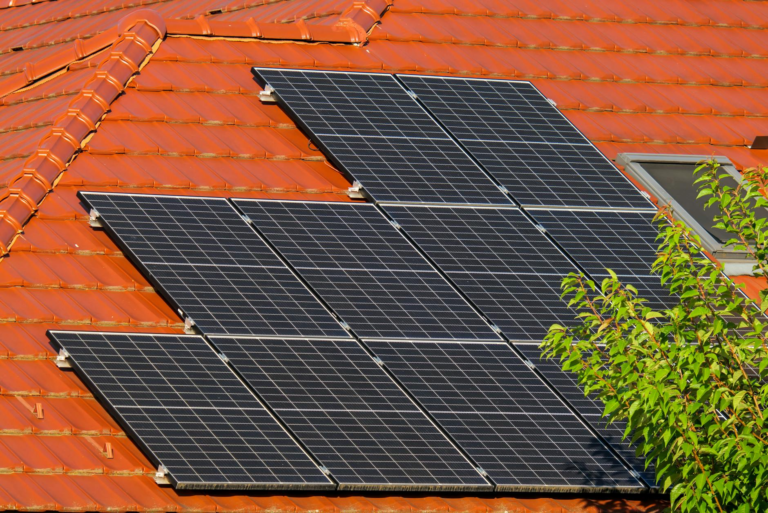
Over the past decade, the cost of installing solar panels has dropped dramatically, reshaping the energy landscape for homeowners across the United States. In Florida, this shift is especially pronounced, with more families in the Panhandle turning to solar as a viable, cost‑effective alternative to traditional electricity. The convergence of technological breakthroughs, larger manufacturing volumes, and supportive state policies has created a perfect storm that drives down prices while boosting system performance. As a result, the solar affordability trends florida narrative is no longer about niche early adopters; it’s about mainstream households gaining access to clean, affordable power.
Find us here:
Solar Cost Calculator – Florida Panhandle Only
* Estimate based on $3.25 per watt for solar installation.
* For Tesla Powerwall 3 Batteries, $15,000 for the first battery, $12,000 for each additional battery.
* Other variations and types of Batteries are available.
Technological Advances That Lower Costs
One of the primary engines behind the decreasing price of solar installations is continuous innovation in photovoltaic (PV) technology. Modern panels now use high‑efficiency monocrystalline cells that generate more electricity per square foot than the polycrystalline models common a decade ago. Manufacturers have also refined the production of half‑cut cells, which reduce material waste and improve output under low‑light conditions. These advances mean that fewer panels are needed to meet a home’s energy demand, directly cutting material and labor expenses. The ripple effect of these improvements is evident in the solar affordability trends florida, where newer, higher‑efficiency systems are becoming the standard.

Improved Inverter Technology
Inverters, the devices that convert DC electricity from panels into usable AC power, have also seen significant cost reductions. The rise of micro‑inverters and power‑optimizers allows each panel to operate independently, reducing the impact of shading and boosting overall system yield. As production scales up, the price per inverter has fallen, contributing to lower total system costs. Homeowners in the Florida Panhandle now benefit from these efficiencies, further reinforcing the positive solar affordability trends florida.
Economies of Scale and Global Supply Chains
Solar panel manufacturers have expanded production capacity worldwide, creating economies of scale that drive down unit costs. Large‑scale factories in China, the United States, and Europe can purchase raw silicon at bulk discounts, automate assembly lines, and spread fixed costs across millions of units. This global supply chain maturity reduces the price of panels, mounting hardware, and balance‑of‑system components. In Florida, installers can source equipment locally or import at lower costs, directly influencing the solar affordability trends florida by making high‑quality systems more accessible to average homeowners.
State Policies and Incentives Accelerating Adoption
Florida’s policy environment has evolved to support solar growth, offering tax credits, rebates, and net‑metering arrangements that improve the financial outlook for new installations. The state’s Solar Energy System Property Tax Exemption, for example, removes the added property tax burden that can accompany solar investments. Additionally, the federal Investment Tax Credit (ITC) remains a substantial incentive, covering a percentage of the total system cost. These policy tools lower the effective price paid by homeowners, reinforcing the upward momentum of solar affordability trends florida.
- State tax exemptions reduce annual property tax assessments.
- Net‑metering credits allow excess solar generation to offset future bills.
- Utility‑level rebates can cover a portion of installation costs.
Financing Options Making Solar More Attainable
Beyond direct purchases, a variety of financing models have emerged to spread the cost of solar over time. Power purchase agreements (PPAs), solar leases, and low‑interest loans enable homeowners to adopt solar without a large upfront payment. Many lenders now offer green loans with favorable terms, reflecting the growing confidence in solar’s long‑term value. These flexible financing structures contribute to the solar affordability trends florida by aligning payment schedules with the homeowner’s cash flow, making solar a realistic option for a broader segment of the population.
Impact on Homeowners in the Florida Panhandle
The Florida Panhandle enjoys abundant sunshine, making it an ideal region for solar generation. As panel costs decline, the return on investment (ROI) period shortens, often reaching break‑even within five to seven years. This accelerated ROI, combined with low utility rates, translates into significant savings over the typical 25‑year lifespan of a solar system. Homeowners report reduced electricity bills, increased property values, and greater energy independence. These tangible benefits illustrate how the solar affordability trends florida are directly improving the quality of life for residents.
Case Study: A Typical 5 kW Residential System
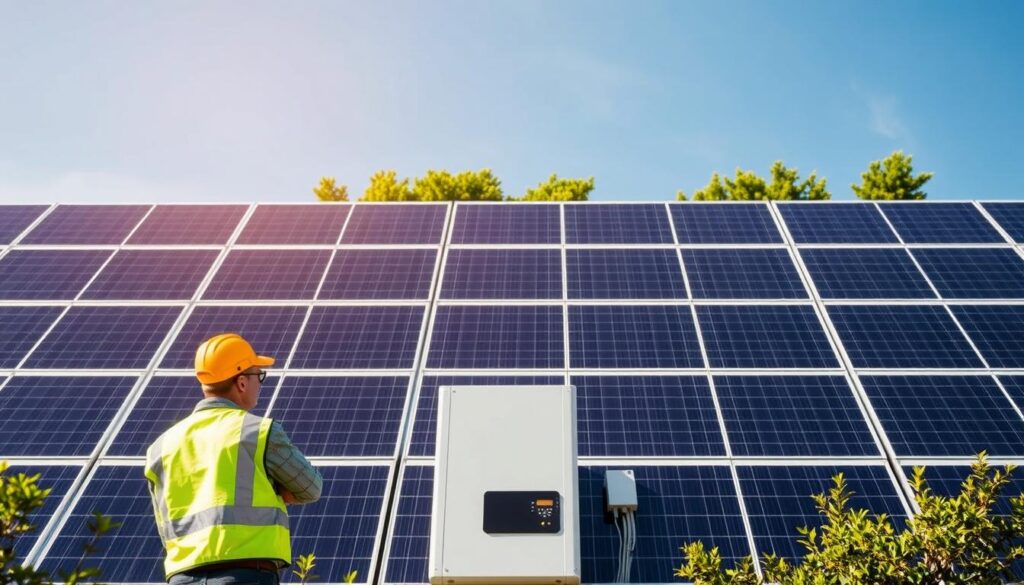
Consider a standard 5 kW rooftop system installed in 2023. The average installed cost per watt in Florida has fallen to approximately $2.50, meaning the total system price hovers around $12,500 before incentives. After applying the federal ITC (26 % in 2023) and state tax exemptions, the net cost drops to roughly $9,250. With an average annual production of 7,500 kWh and a utility rate of $0.12 per kWh, the homeowner saves about $900 each year on electricity. Over 25 years, total savings exceed $22,500, delivering a clear financial upside that underscores the relevance of solar affordability trends florida.
| Year | Average Cost per Watt (USD) | % Change YoY |
|---|---|---|
| 2010 | $4.30 | – |
| 2015 | $2.80 | –34.9% |
| 2020 | $2.60 | –7.1% |
| 2023 | $2.50 | –3.8% |
Future Outlook: What Lies Ahead for Solar Pricing?
Looking forward, several factors suggest that solar will continue to become more affordable. Ongoing research into perovskite cells promises even higher efficiencies at lower manufacturing costs. Energy storage prices are also on a downward trajectory, enabling homeowners to maximize self‑consumption and further reduce reliance on the grid. Moreover, as more utilities adopt time‑of‑use rates, the economic value of solar generation during peak periods will increase. Together, these trends reinforce the positive trajectory of solar affordability trends florida, indicating that future homeowners will face even lower barriers to entry.
Potential Challenges to Monitor
While the outlook is optimistic, it’s important to acknowledge potential headwinds. Supply chain disruptions, raw material price spikes, or policy rollbacks could temporarily slow cost reductions. However, the overall momentum of technological progress and market demand has proven resilient, suggesting that any setbacks are likely to be short‑lived. Continuous monitoring of these variables will help stakeholders adapt and maintain the favorable solar affordability trends florida trajectory.
Practical Steps for Homeowners Ready to Go Solar
- Assess your roof’s solar potential using online tools or a professional audit.
- Gather multiple quotes to compare equipment quality, warranties, and installation costs.
- Explore available incentives, including the federal ITC and state tax exemptions.
- Consider financing options that align with your budget and cash flow.
- Plan for future energy storage to increase self‑consumption and resilience.
By following these steps, Florida homeowners can capitalize on the current wave of cost reductions and secure a clean energy future. The alignment of technology, policy, and financing has created an unprecedented window of opportunity, making solar power more attainable than ever before.
Conclusion
The convergence of efficient technology, large‑scale manufacturing, supportive policies, and innovative financing has driven down the price of solar panels, especially in the Florida Panhandle. These solar affordability trends florida are unlocking financial savings, environmental benefits, and energy independence for more homeowners each year. As the market continues to evolve, the path to affordable, reliable solar power looks brighter than ever.
