

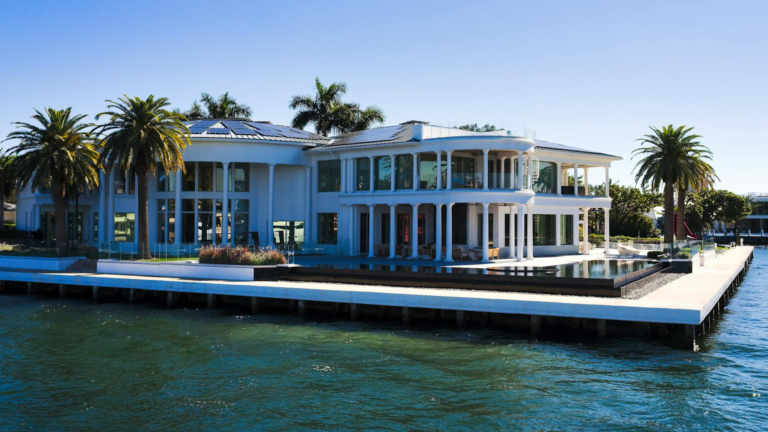
Solar installations along the Gulf Coast are exposed to a unique blend of environmental stressors that can accelerate the wear and tear of photovoltaic (PV) systems. Homeowners and business operators in Destin, Pensacola Beach, and Navarre often wonder how quickly their panels lose efficiency and what they can do to protect their investment. This article explores the science behind panel degradation, the specific challenges of a coastal Florida climate, and practical steps to extend the life of a solar array. By understanding the patterns of solar aging coastal Florida, you’ll be better equipped to make informed decisions about maintenance, equipment selection, and long‑term financial planning.
Find us here:
Understanding Solar Panel Degradation
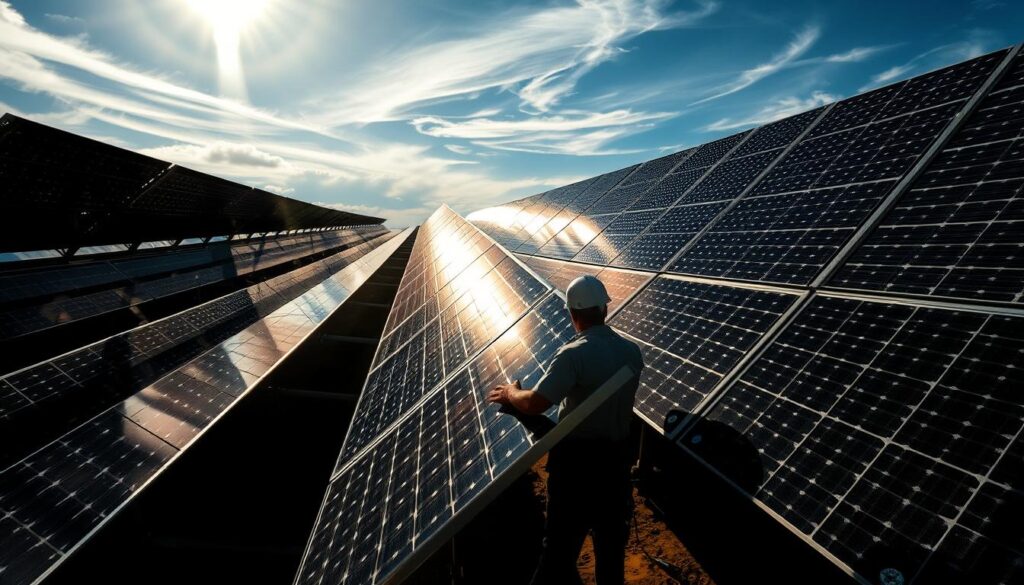
All solar panels experience a gradual loss of performance over time, a process typically measured as a percentage reduction in output per year. Manufacturers usually guarantee that modules will retain 80–90 % of their original capacity after 25 years. This decline is caused by a combination of material fatigue, ultraviolet (UV) exposure, and chemical reactions within the cells and encapsulant. In a controlled, inland environment, the average degradation rate hovers around 0.5 % to 1 % annually. However, when panels are installed in a salty, humid, and sun‑intense setting like coastal Florida, the rate can climb noticeably higher, leading to what experts refer to as solar aging coastal Florida effects.
Unique Challenges of Coastal Florida
The Gulf Coast of Florida presents three primary environmental forces that speed up panel aging: salt spray, high humidity, and intense sunlight. Each factor interacts with the others, creating a synergistic impact that can be more damaging than the sum of its parts. For example, salt particles can settle on the glass surface, trapping moisture and accelerating corrosion of metal components. Meanwhile, the region’s high UV index intensifies the breakdown of polymer back‑sheets and sealants, making them more vulnerable to cracking and delamination. Understanding these challenges is essential for anyone looking to mitigate the effects of solar aging coastal Florida.
Salt Spray and Corrosion
Ocean breezes constantly carry microscopic salt crystals that settle on solar panels and their mounting hardware. When salt mixes with moisture, it creates an electrolytic solution that can corrode aluminum frames, steel brackets, and even the copper contacts inside the module. Over time, corrosion increases electrical resistance, which reduces the amount of current the panel can deliver. In extreme cases, corroded connections can lead to hot spots that further degrade the solar cells themselves. Regular rinsing with fresh water and selecting corrosion‑resistant materials are proven ways to combat this aspect of solar aging coastal Florida.
Humidity and Moisture Intrusion
The Gulf Coast’s average relative humidity often exceeds 75 %, and foggy mornings are common. High humidity can seep into the panel’s edges, especially if the sealant has been compromised by UV exposure. Moisture infiltration leads to delamination, where the encapsulant separates from the glass or the solar cells. This not only reduces the panel’s structural integrity but also creates pathways for further corrosion and electrical leakage. Proper edge sealing during installation and periodic visual inspections are critical to slowing the moisture‑driven component of solar aging coastal Florida.
How Climate Impacts the Aging Process
Beyond salt and humidity, the coastal climate introduces temperature fluctuations that stress panel materials. While the Gulf Coast enjoys relatively mild winters, summer days can see temperatures soar above 95 °F (35 °C). The repeated expansion and contraction of glass, metal frames, and polymer layers creates micro‑cracks that expand over time. Additionally, the high solar irradiance typical of Florida accelerates UV‑induced degradation of the EVA (ethylene‑vinyl acetate) encapsulant and the back‑sheet, both of which are essential for protecting the cells from moisture.
Temperature Fluctuations
Thermal cycling—daily heating and cooling—causes differential expansion rates among panel components. The glass expands faster than the aluminum frame, generating shear stress at the edges. Over many cycles, this stress can cause the sealant to crack, allowing water and salt to infiltrate. Studies have shown that panels exposed to high thermal cycling in coastal environments can experience degradation rates up to 0.2 % higher per year than similar panels in more temperate zones. This extra wear is a key contributor to the overall phenomenon of solar aging coastal Florida.
Real‑World Observations in Destin, Pensacola Beach, and Navarre
Homeowners and commercial property managers across the Emerald Coast have reported noticeable performance drops after just a few years of operation. In Destin, many installers note a 1.2 % annual loss, while neighboring Pensacola Beach often sees rates closer to 1.5 % due to its more exposed shoreline. Navarre, with slightly more inland positioning, typically experiences degradation around 1.0 % per year. These figures align closely with field data collected by local solar contractors who track output over time. The variations illustrate how micro‑climates within the same coastal region can influence the speed of solar aging coastal Florida.
Case Study Summary
| Location | Typical Annual Degradation (%) | Main Aging Factor |
|---|---|---|
| Destin | 1.2 | Salt spray + high UV |
| Pensacola Beach | 1.5 | Extreme humidity + salt |
| Navarre | 1.0 | Moderate salt exposure |
Maintenance Strategies to Slow Solar Aging
While the coastal environment cannot be changed, proactive maintenance can significantly reduce the rate of panel degradation. Regular attention to cleaning, protective treatments, and professional inspections can keep a system operating near its original capacity for decades. Below are the most effective practices for combating solar aging coastal Florida effects.
Regular Cleaning
Salt deposits form a thin, conductive film on the glass surface, which can cause localized heating and power loss. A gentle rinse with fresh water every three to six months removes most of the buildup without damaging the anti‑reflective coating. For areas with heavy bird activity, more frequent cleaning may be required. Avoid abrasive brushes or high‑pressure washers, as they can scratch the glass and compromise the panel’s protective layers.
Protective Coatings
Applying a marine‑grade, UV‑resistant coating to the panel frame and mounting hardware creates a barrier against salt corrosion. These coatings are typically silicone‑based or fluoropolymer finishes that repel water and inhibit oxidation. Some manufacturers also offer panels with factory‑applied anti‑corrosion treatments, which can be a worthwhile investment for installations directly adjacent to the shoreline.
Professional Inspections
Engaging a certified solar technician for an annual inspection helps identify early signs of degradation, such as micro‑cracks, delamination, or corroded connectors. Technicians can perform infrared thermography to spot hot spots that are invisible to the naked eye. Early detection allows for targeted repairs—re‑sealing edges, tightening brackets, or replacing compromised modules—before the issue escalates into a larger loss of performance.
Choosing the Right Panels for Coastal Florida
When planning a new solar system in a salt‑laden environment, selecting equipment designed for harsh conditions can reduce the impact of solar aging coastal Florida. Below are key considerations that influence long‑term durability and efficiency.
Bifacial vs. Monofacial Modules
Bifacial panels capture sunlight on both the front and rear sides, increasing overall energy yield by up to 10 % in reflective environments like sandy beaches. However, the rear surface is more exposed to salt spray, so choosing bifacial modules with robust back‑sheet protection is essential. Monofacial panels, while slightly less efficient, often have a simpler construction that may be more resistant to corrosion when paired with proper mounting hardware.
Frame Materials
Aluminum is the most common frame material, but standard alloys can corrode quickly in salty air. Opt for anodized aluminum or stainless‑steel frames, which offer superior resistance to rust. Some premium manufacturers also provide frames with built‑in sacrificial zinc coatings that protect the underlying metal through galvanic action.
Long‑Term Financial Implications
Higher degradation rates translate directly into reduced energy production, which impacts the return on investment (ROI) for a solar system. In coastal Florida, a panel that loses 1.5 % of its output each year will generate roughly 30 % less electricity over a 25‑year lifespan compared to a panel degrading at 0.5 % per year. This difference can shave thousands of dollars off expected savings. Accurate modeling that incorporates local degradation trends—specifically the patterns of solar aging coastal Florida—helps owners set realistic financial expectations and choose warranty options that cover accelerated wear.
