



Understanding the Role of Airflow in Solar Panel Performance
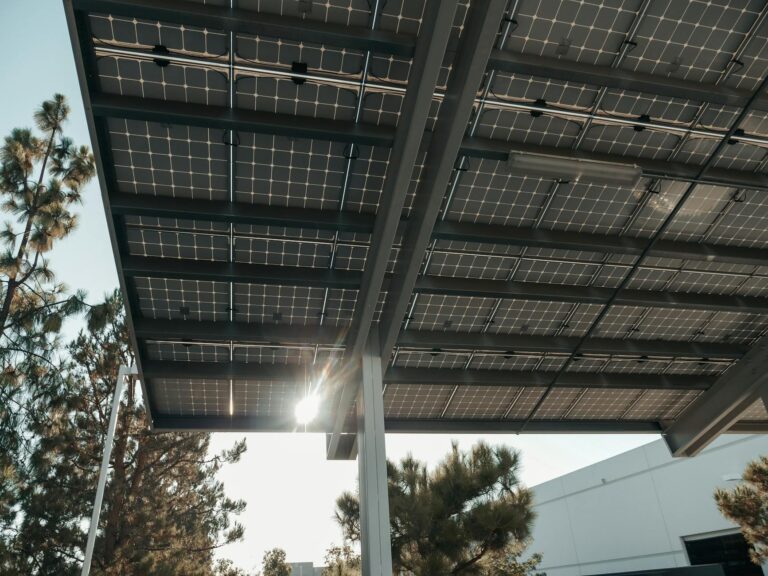
When homeowners and businesses invest in solar energy, they often focus on panel wattage, orientation, and shading. However, one critical factor that can dramatically influence output is the airflow beneath the modules. Proper ventilation creates a natural cooling effect known as solar airflow panel cooling. By allowing heat to escape from the back of the panel, the system maintains a lower operating temperature, which directly translates into higher conversion efficiency. In hot, humid climates like Pensacola and Navarre, where ambient temperatures frequently climb above 90°F (32°C), the difference between a well‑ventilated array and a stagnant one can be as much as 15% in energy production over a year.
Find us here:
Solar Cost Calculator – Florida Panhandle Only
* Estimate based on $3.25 per watt for solar installation.
* For Tesla Powerwall 3 Batteries, $15,000 for the first battery, $12,000 for each additional battery.
* Other variations and types of Batteries are available.
Why Heat Reduces Photovoltaic Efficiency
Solar cells are semiconductor devices that convert photons into electrical current. Their performance is temperature‑dependent; as temperature rises, the semiconductor’s bandgap narrows, causing a drop in voltage while the current remains relatively stable. This voltage loss reduces the overall power output. For most crystalline silicon panels, efficiency declines by roughly 0.4% to 0.5% for every degree Celsius above the ideal 25°C (77°F) operating point. In a typical summer day in the Florida Panhandle, panel temperatures can exceed 70°C (158°F) without adequate airflow, shaving off several hundred watts from a 5‑kilowatt system.
How Airflow Improves Panel Longevity
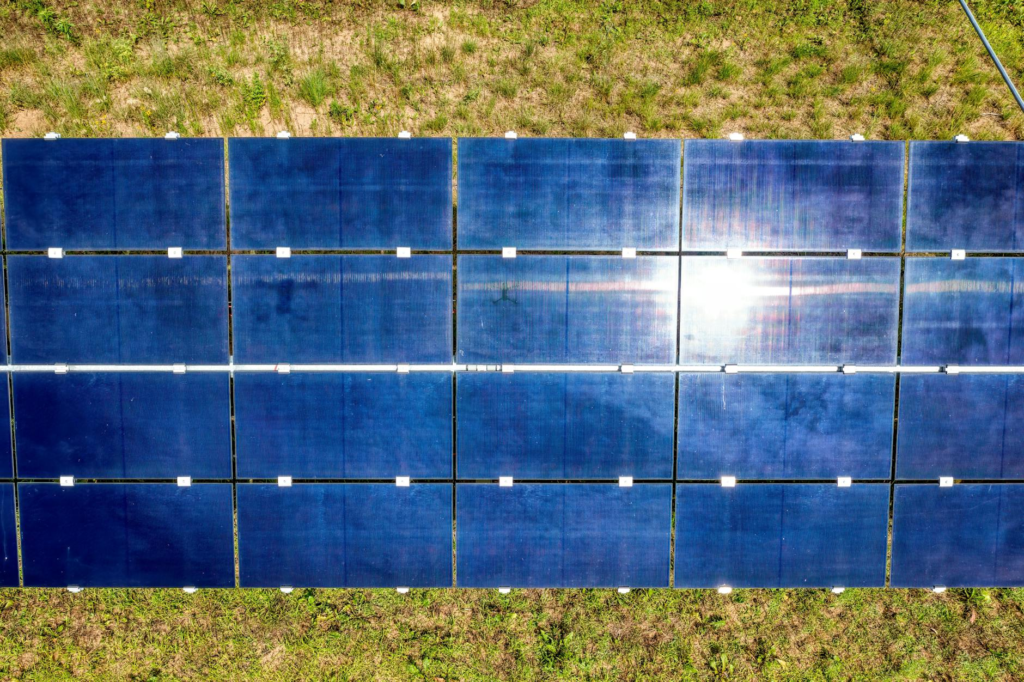
Beyond immediate power gains, solar airflow panel cooling also protects the hardware. Excessive heat accelerates the degradation of encapsulants, backsheet materials, and solder joints. Studies from the National Renewable Energy Laboratory (NREL) show that each 10°C reduction in operating temperature can extend a module’s useful life by up to five years. In coastal environments where salt spray already challenges durability, maintaining lower temperatures becomes a key strategy for preserving warranty coverage and minimizing long‑term maintenance costs.
Design Strategies for Maximizing Airflow
Several engineering approaches can be employed to encourage natural convection beneath solar arrays. The most common method is to mount panels on elevated racking systems that create a gap of at least 12–18 inches (30–45 cm) between the roof or ground surface and the panel backsheet. This gap acts as a channel for cooler air to flow in and warm air to rise and exit. In addition, angled racks, perforated mounting plates, and strategically placed vent openings further enhance the chimney effect, especially when wind direction aligns with the panel rows.
Key Design Elements
- Elevated rack height (minimum 12 inches) to create a clear airflow path.
- Use of open‑frame or “dual‑gap” mounting hardware that reduces obstruction.
- Angled mounting to promote natural convection and wind‑driven cooling.
- Installation on surfaces with high thermal conductivity (e.g., metal roofs) to dissipate heat faster.
When these elements are combined, the result is a self‑regulating cooling system that requires no electricity or moving parts, making it an ideal solution for remote installations and for properties that prioritize low‑maintenance designs.
Case Study: Elevated Installations in Pensacola and Navarre
Local solar installers in the Pensacola‑Navarre corridor have reported noticeable performance improvements after switching from flush‑mount to elevated racking. In one residential project, a 6 kW array was raised 14 inches above the roof deck using a corrosion‑resistant aluminum frame. Over a 12‑month monitoring period, the system generated 13,500 kWh compared with the projected 11,900 kWh for a similar flush‑mount setup—a 13% increase directly attributed to solar airflow panel cooling. The same principle applied to a commercial 25 kW system on a flat warehouse roof, where temperature sensors recorded an average backside temperature of 45°C (113°F) versus 58°C (136°F) on a non‑ventilated array, resulting in a 9% boost in annual energy yield.
Quantifying the Benefits: Temperature vs. Efficiency
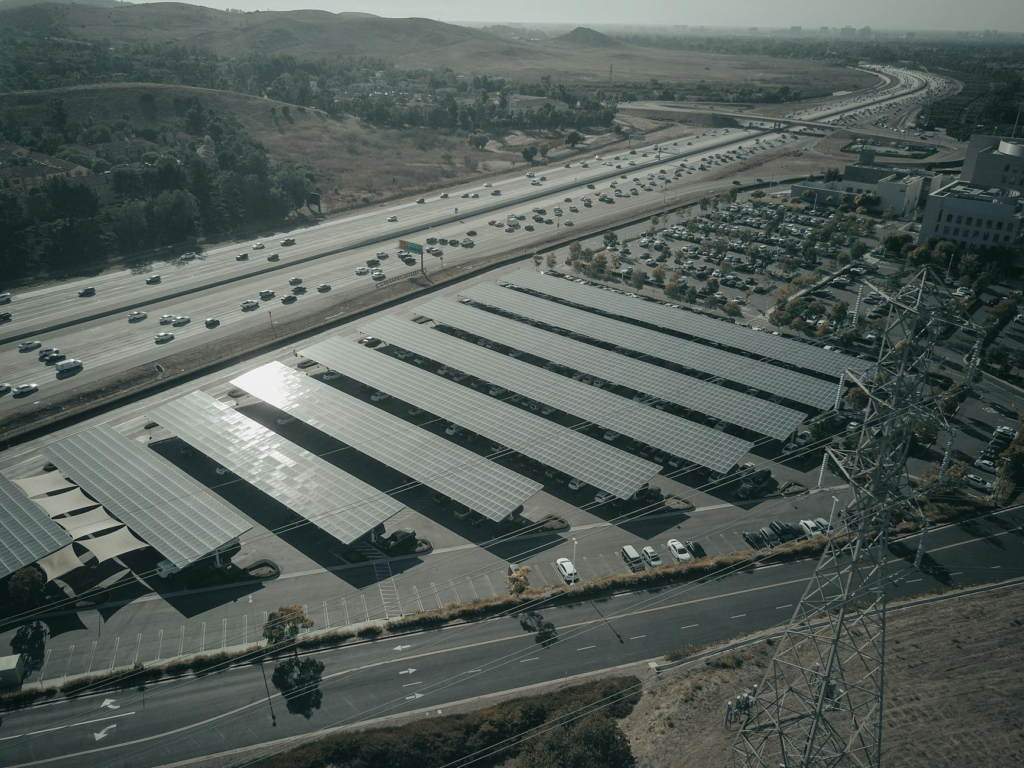
To illustrate the impact of airflow, the table below compares three typical installation scenarios: flush‑mount (no gap), standard elevated rack (12‑inch gap), and advanced dual‑gap system (18‑inch gap with perforated plates). The data are derived from on‑site measurements taken during peak summer months in Navarre, where ambient temperatures regularly reach 92°F (33°C).
| Installation Type | Average Backside Temp (°C) | Estimated Efficiency Loss % |
|---|---|---|
| Flush‑Mount (0″ gap) | 68 | 5.8 |
| Elevated Rack (12″ gap) | 55 | 3.5 |
| Dual‑Gap System (18″ gap) | 48 | 2.2 |
The numbers show a clear correlation: as the airflow gap widens, the backside temperature drops, and the corresponding efficiency loss shrinks. Even a modest 12‑inch elevation can cut temperature‑related losses by more than half, delivering measurable savings over the system’s lifetime.
Economic Impact of Proper Airflow
From a financial perspective, the added cost of elevated racking is often offset within a few years thanks to higher energy production. For a typical residential installation in Pensacola, the extra material and labor for a 12‑inch gap add roughly $0.30 per watt to the upfront price. Assuming a 13% increase in annual output, the payback period shortens by about 1.5 years compared with a flush‑mount system. Over a 25‑year lifespan, the cumulative energy gain can exceed 30,000 kWh, translating to savings of more than $4,500 at the current utility rate of $0.15 per kWh.
Environmental Advantages of Cooler Panels
Beyond the direct monetary benefits, cooler panels contribute to broader sustainability goals. Higher efficiency means fewer panels are needed to meet a given energy target, reducing material usage and land footprint. Moreover, the reduction in temperature‑related degradation means that panels stay in service longer, decreasing the frequency of replacements and the associated waste. In coastal regions where solar adoption is expanding rapidly, these secondary environmental gains become increasingly significant.
Common Misconceptions About Airflow
Some critics argue that the wind‑driven cooling effect is negligible compared with the sun’s intense heat load. While it is true that airflow alone cannot eliminate all temperature rise, the data from real‑world installations demonstrate that even modest natural convection can lower backside temperatures by 10–15°C (18–27°F). Another myth is that elevated racks are more vulnerable to wind uplift. Modern engineering solutions—such as wind‑load‑rated brackets, ballast systems, and reinforced grounding—ensure that elevated installations meet or exceed local building codes, even in hurricane‑prone areas like the Gulf Coast.
Best Practices for Installing Solar Airflow Panel Cooling Systems
To maximize the benefits of airflow, installers should follow a checklist that addresses both design and execution:
- Conduct a site‑specific wind analysis to determine optimal rack orientation.
- Specify a minimum clearance of 12 inches; consider 18 inches for high‑heat zones.
- Use corrosion‑resistant materials (e.g., marine‑grade aluminum) to withstand the salty air of Pensacola and Navarre.
- Incorporate perforated mounting plates or vented spacers to enhance convection.
- Secure all components according to the latest International Building Code (IBC) wind‑load requirements.
- Perform post‑installation temperature mapping to verify expected cooling performance.
Following these steps ensures that the system delivers the full promise of solar airflow panel cooling while maintaining structural integrity and safety.
Future Innovations in Passive Cooling
Researchers are exploring new materials and geometries that amplify passive cooling. One promising avenue is the integration of phase‑change materials (PCMs) behind the solar cells, which absorb excess heat during peak sun hours and release it slowly when temperatures drop. Another concept involves micro‑vented backsheet designs that act like tiny heat exchangers, further boosting airflow without compromising waterproofing. As these technologies mature, the baseline effectiveness of solar airflow panel cooling will improve, making elevated installations an even more compelling choice for the Gulf Coast market.
Choosing the Right Installer for Airflow‑Optimized Systems
Homeowners in Pensacola and Navarre should look for solar contractors who demonstrate experience with elevated racking and airflow optimization. Key indicators include certifications from manufacturers that specialize in open‑frame mounting, documented case studies showing temperature reductions, and a willingness to perform post‑install performance audits. A reputable installer will also advise on local permitting, wind‑load calculations, and any additional structural reinforcements required for rooftop or ground‑mount systems.
Conclusion
Proper airflow underneath solar panels—often referred to as solar airflow panel cooling—is a simple yet powerful method to boost efficiency, extend lifespan, and increase the return on investment for installations throughout Pensacola, Navarre, and similar climates. By elevating panels, using vented mounting hardware, and adhering to best‑practice design guidelines, homeowners can capture more of the sun’s energy while protecting their investment against heat‑related wear. As technology advances, the synergy between passive cooling and innovative materials will only enhance these benefits, solidifying airflow‑optimized solar as a cornerstone of sustainable energy in the Gulf Coast region.
