



Why Solar Panel Theft Is a Growing Concern
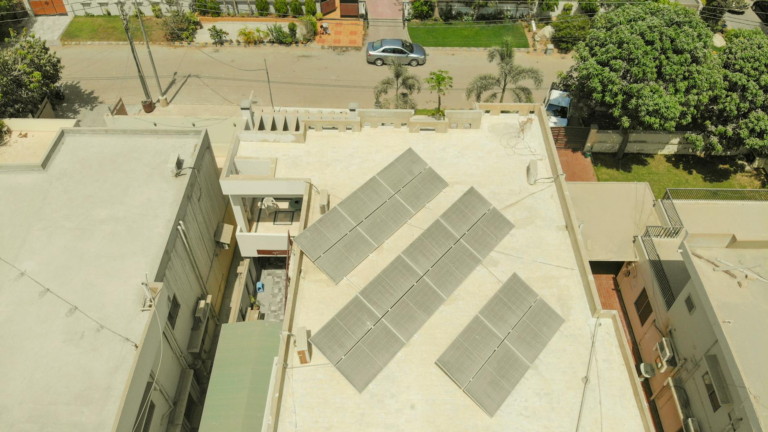
Across the United States, the value of solar installations is soaring, and with that rise comes an unsettling trend: theft. Remote lots, especially those located on the outskirts of towns like Marianna, are prime targets for opportunistic thieves who can quickly remove panels, inverters, or mounting hardware. The financial loss is only part of the story; a stolen array can halt power generation for months, disrupt community sustainability goals, and erode confidence in renewable investments. Understanding the motivations behind these crimes—ranging from the resale value of copper and aluminum to the ease of dismantling unsecured hardware—helps property owners and installers prioritize protective measures. By addressing the root causes early, you can safeguard your investment before a single bolt is loosened.
Solar Cost Calculator – Florida Panhandle Only
* Estimate based on $3.25 per watt for solar installation.
* For Tesla Powerwall 3 Batteries, $15,000 for the first battery, $12,000 for each additional battery.
* Other variations and types of Batteries are available.
Introducing Solar Panel Anti-Theft Screws
The most effective line of defense starts at the mounting point. Traditional Phillips or flathead screws are easy to remove with common tools, making them attractive to thieves. Solar panel anti theft screws, however, feature proprietary drive patterns such as security Torx or hex‑plus designs that require specialized bits not typically found in a standard toolkit. When paired with lock nuts, these fasteners create a tamper‑resistant joint that dramatically slows down any unauthorized removal attempt. In the context of remote installations around Marianna, the added difficulty can be enough to deter opportunistic theft altogether.
Security Torx vs. Standard Torx
Standard Torx screws provide a twelve‑point star shape that distributes torque evenly, but they are still vulnerable because the same bits are widely available. Security Torx, on the other hand, incorporates a pin in the center of the head, requiring a bit with a matching hole. This simple alteration makes the fastener incompatible with off‑the‑shelf tools, turning a common screw into a specialized security component. For installers in Marianna, stocking a small set of security Torx bits is a modest investment that yields substantial protection for the entire array.
Lock Nuts: The Second Line of Defense
Even the strongest screw can be compromised if the nut it threads into is easily turned. Lock nuts—whether nylon‑insert, prevailing torque, or stainless steel variants—add friction or deformation that resists loosening under vibration or manual force. When you combine a security Torx screw with a lock nut, the joint becomes doubly secure: the screw resists removal without the correct bit, and the nut resists being turned even if the screw is compromised. This synergy is especially valuable for remote lots where routine inspections may be less frequent.
GPS Tagging: Adding a Digital Layer of Protection
Physical deterrents are essential, but they work best when paired with digital tracking. GPS tags designed for solar panels are compact, weather‑proof devices that can be discreetly attached to the frame or mounting rails. Once activated, they transmit location data at regular intervals, allowing owners to monitor the exact position of each array. In the event of a theft, law enforcement can use the real‑time coordinates to recover stolen equipment quickly, often before it disappears into the black market. The integration of GPS tracking with solar panel anti theft screws gps marianna creates a comprehensive security ecosystem that blends mechanical resistance with modern technology.
Choosing the Right Anti‑Theft System for Your Marianna Installation
Selecting the optimal combination of fasteners and GPS tags depends on several factors: the size of the array, the level of exposure, budget constraints, and local regulatory requirements. For small residential systems, a set of security Torx screws paired with a single GPS tag per inverter may suffice. Larger commercial installations on remote lots benefit from a full‑scale approach: every panel is anchored with anti‑theft screws, each mounting rail is secured with lock nuts, and a network of GPS tags provides redundancy. Consulting with a certified installer who understands the nuances of solar panel anti theft screws gps marianna will ensure you get a solution tailored to your specific risk profile.
Installation Best Practices
- Pre‑drill holes to the exact depth recommended by the manufacturer to avoid over‑tightening.
- Use a torque wrench set to the specified value for security Torx screws; overtightening can strip the threads.
- Apply lock nuts on the opposite side of the panel to create a dual‑lock system.
- Seal all fastener heads with UV‑resistant silicone to prevent corrosion in harsh climates.
- Mount GPS tags in concealed locations but ensure they have an unobstructed line of sight to the sky.
- Program the GPS device with a secure password and enable geofencing alerts for unauthorized movement.
Cost Considerations and Return on Investment
Investing in solar panel anti theft screws gps marianna may appear costly upfront, but the long‑term savings are compelling. The average theft of a 10‑kilowatt array can cost upwards of $15,000 in equipment and labor, not to mention lost revenue from downtime. Security screws and lock nuts typically add 5–10% to the material cost, while a GPS tag ranges from $30 to $80 per unit. When you factor in the reduced risk of theft, faster recovery times, and the peace of mind for stakeholders, the return on investment often materializes within the first two to three years of operation.
Maintenance and Periodic Checks
Even the most robust anti‑theft hardware requires periodic inspection. Over time, exposure to UV radiation, salt spray (in coastal regions), and temperature fluctuations can degrade seals or loosen fasteners. Schedule a quarterly visual inspection of all security Torx screws and lock nuts, tightening any that have settled below the recommended torque. Verify that GPS tags are transmitting correctly by checking the dashboard provided by the tracking service; most platforms will send an alert if a device goes offline for more than 24 hours. Routine maintenance not only prolongs the lifespan of the hardware but also ensures that the security system remains fully operational.
Case Study: Protecting a Remote Solar Farm Near Marianna
A 2‑megawatt solar farm located just outside Marianna experienced three attempted thefts over a two‑year period. Initially, the site used standard Phillips screws and no tracking devices. After the first incident, the owner installed solar panel anti theft screws gps marianna across the entire array, replacing all fasteners with security Torx screws and adding stainless steel lock nuts. Additionally, 30 GPS tags were strategically placed on inverter cabinets and main mounting rails. Within six months, the farm reported zero successful thefts, and when a third attempt occurred, law enforcement located the stolen components within 48 hours using the GPS data, resulting in full recovery and prosecution.
Comparison of Common Anti‑Theft Fasteners
| Fastener Type | Security Level | Installation Complexity | Typical Cost per Unit |
|---|---|---|---|
| Standard Phillips | Low | Very Easy | $0.10 |
| Standard Torx | Medium | Easy | $0.15 |
| Security Torx (Pin) | High | Moderate (special bit) | $0.30 |
| Security Hex‑Plus | High | Moderate (special bit) | $0.35 |
Checklist for a Theft‑Resistant Solar Installation
- Assess site exposure and identify high‑risk zones.
- Select security Torx or hex‑plus screws for all panel mounts.
- Pair each screw with a lock nut appropriate for the material (nylon insert for steel, stainless for marine environments).
- Install GPS tags on each inverter and at least one per 100 kW of array capacity.
- Seal all fastener heads with UV‑resistant silicone.
- Program geofencing alerts and test GPS signal strength before commissioning.
- Document torque values and GPS serial numbers in a secure log.
- Schedule quarterly inspections and update firmware on GPS devices annually.
Future Trends in Solar Security
As solar adoption continues to accelerate, manufacturers are developing integrated anti‑theft solutions that combine mechanical locking mechanisms with IoT‑enabled tracking. Emerging technologies include smart bolts that can send an alert when torque drops below a threshold, and RFID‑embedded panels that trigger alarms when removed from a predefined perimeter. While these innovations are still emerging, the foundational principles remain the same: robust hardware like solar panel anti theft screws gps marianna and reliable GPS tagging create a layered defense that adapts to evolving threats.
By proactively investing in high‑quality security fasteners and discreet GPS tracking, owners of remote lots near Marianna can protect their renewable energy assets, reduce financial risk, and contribute to a more resilient energy future.
Conclusion: Combining security Torx screws, lock nuts, and GPS tags offers a comprehensive deterrent strategy for solar arrays in remote locations. The modest upfront cost pays dividends through reduced theft risk, quicker recovery, and sustained power generation. For any installer or property owner in Marianna, embracing these proven measures is the smartest way to safeguard your investment.
