



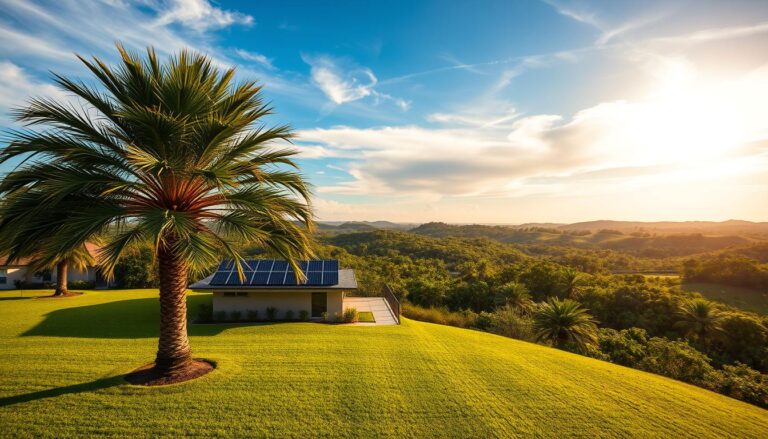
Solar power is booming across the Florida Panhandle — and in Fort Walton Beach, homeowners are increasingly pairing their panels with solar batteries to store energy for nighttime use and backup during outages.
But while batteries bring energy independence and storm resilience, one critical factor often gets overlooked: how Florida’s coastal heat and humidity affect battery lifespan.
Also Read: Commercial Solar for Restaurants & Shops in Pensacola
In a climate where summer highs regularly exceed 90°F and humidity levels stay above 70% most of the year, protecting your battery investment takes more than just buying a good brand.
In this guide, we’ll break down how temperature and moisture impact battery health, what you can do to prevent premature degradation, and what realistic lifespan you can expect from solar batteries in Fort Walton Beach, FL.
Solar Cost Calculator – Florida Panhandle Only
* Estimate based on $3.25 per watt for solar installation.
* For Tesla Powerwall 3 Batteries, $15,000 for the first battery, $12,000 for each additional battery.
* Other variations and types of Batteries are available.
The Basics: How Solar Batteries Work
Before diving into climate effects, let’s quickly recap how solar batteries function.
Solar panels generate electricity during the day. That power flows into your home and — if you have excess — into a battery storage unit, where it’s saved for later use (like at night or during grid outages).
Most modern systems in Florida use one of three main technologies:
| Battery Type | Common Brands | Average Lifespan | Notes |
|---|---|---|---|
| Lithium Iron Phosphate (LiFePO₄) | Tesla Powerwall, Enphase IQ, FranklinWH | 10–15 years | Most stable and long-lasting. |
| Lithium Nickel Manganese Cobalt (NMC) | LG Chem, Sonnen | 8–12 years | High energy density, slightly heat-sensitive. |
| Lead-Acid (AGM or Gel) | Rolls, Trojan | 5–8 years | Budget-friendly, shorter life, more maintenance. |
For most Fort Walton Beach homes, LiFePO₄ batteries (like the Tesla Powerwall 3 or Enphase IQ Battery 10T) are the standard choice — offering the best durability in warm, humid climates.
How Heat Affects Solar Battery Lifespan
1. Temperature and Chemical Reaction Rates
All batteries rely on controlled chemical reactions to store and release energy. In high heat, those reactions accelerate — increasing wear and tear on internal components.
- Ideal operating range for lithium batteries: 60°F–80°F (16°C–27°C)
- Performance declines rapidly above 95°F (35°C)
- Prolonged exposure above 110°F (43°C) can permanently reduce capacity
In Fort Walton Beach, outdoor temperatures frequently hit these ranges during summer months — and enclosed garages or sheds can exceed 120°F inside.
That’s why proper location and ventilation are crucial for any solar battery installation in Florida.
2. Thermal Runaway Risk
Extreme heat can also trigger a condition called thermal runaway, where internal temperatures spike uncontrollably. Modern systems include advanced management software and fire-resistant casings to prevent this, but heat stress over time still reduces efficiency and total cycle count.
3. Cycle Life Reduction
Each time a battery charges and discharges, it counts as a cycle. Manufacturers usually rate batteries for 5,000–10,000 cycles.
In high heat:
- Internal resistance increases.
- Energy loss per cycle grows.
- Cycle life can drop by 15–25%.
Pro tip: Every 10°F above 77°F can cut battery life by roughly 10–15%, according to DOE research.
How Humidity Impacts Solar Batteries
Humidity doesn’t directly harm sealed battery cells — but it wreaks havoc on enclosures, wiring, and cooling systems.
1. Corrosion Risk
The salty coastal air in Fort Walton Beach accelerates corrosion on metal terminals, connectors, and circuit boards. Over time, this leads to poor conductivity and communication errors between the battery and inverter.
2. Condensation
When warm, humid air enters an enclosure and cools at night, it condenses into moisture droplets. Inside sealed housings, this can short-circuit sensitive electronics if not properly protected.
3. Ventilation Challenges
Batteries need airflow for thermal regulation. However, open-vented spaces invite moisture intrusion. The balance between ventilation and waterproofing is key in coastal Florida installations.
Pro tip: Always check your system’s IP rating — look for IP65 or higher to ensure protection from humidity and salt spray.
Ideal Installation Locations for Coastal Florida
Where you place your battery matters just as much as which brand you choose.
Best Locations
- Climate-controlled garage or utility room – Ideal. Keeps temperature stable and humidity low.
- Shaded exterior wall (north-facing) – Acceptable with weatherproof housing.
- Dedicated battery cabinet or closet – Good for indoor installs with ventilation fans.
Locations to Avoid
🚫 Attics – Too hot in summer.
🚫 Outdoor sheds without insulation.
🚫 Crawlspaces or near seawalls – High humidity and flood risk.
Many Fort Walton Beach installers now offer marine-grade enclosures designed for Gulf Coast conditions — with powder-coated steel housings, corrosion-resistant vents, and sealed cable grommets.
Realistic Lifespan for Batteries in Fort Walton Beach
Manufacturers may advertise 10–15 years, but in Florida’s coastal environment, actual lifespan depends heavily on installation quality and climate control.
| Battery Type | Ideal Environment | Coastal Outdoor Environment | Typical Lifespan |
|---|---|---|---|
| LiFePO₄ | 12–15 years | 9–12 years | Excellent long-term performance |
| NMC Lithium | 10–12 years | 7–10 years | Heat-sensitive |
| Lead-Acid | 6–8 years | 4–6 years | Requires frequent maintenance |
Rule of thumb: Expect 10–20% shorter lifespan in unconditioned outdoor spaces versus climate-controlled areas.
Protecting Your Battery from Florida’s Climate
Here are the most effective ways to extend battery life and preserve performance:
1. Install in a Cool, Shaded, or Air-Conditioned Area
If possible, keep the battery indoors or in a temperature-regulated utility space. Systems like the Tesla Powerwall 3 include built-in thermal management, but ambient temperature still affects performance.
2. Use Dehumidifiers or Vent Fans
For garage installations, maintaining humidity below 60% RH helps prevent corrosion and condensation.
3. Schedule Annual Maintenance Checks
Local installers can inspect for corrosion, firmware updates, and thermal performance — often included in service plans.
4. Upgrade Enclosure Hardware
Swap standard steel fasteners for 316 stainless and apply marine-grade anti-corrosion coatings.
5. Monitor Battery Temperature via App
Most modern systems include temperature sensors and mobile monitoring. Set alerts if temperatures exceed 95°F.
6. Maintain Clean, Dry Clearance Zones
Keep 6–12 inches of space around the battery for airflow and easy visual inspection.
How Fort Walton Beach’s Climate Compares
| City | Avg. Summer Temp | Avg. Humidity | Climate Challenge |
|---|---|---|---|
| Fort Walton Beach | 89°F | 73% | High humidity, salt exposure |
| Tallahassee | 91°F | 68% | Heat stress inland |
| Pensacola | 88°F | 74% | Salt air corrosion |
| Jacksonville | 89°F | 70% | Rainy winters, mild humidity |
The combination of Gulf humidity + coastal salt exposure makes Fort Walton Beach installations particularly vulnerable to corrosion — making enclosure selection and maintenance especially important here.
Signs Your Battery May Be Suffering from Heat or Moisture
Watch for these warning signs of battery degradation:
- ⚠️ Reduced backup duration (battery drains faster than before)
- ⚠️ App showing lower capacity or voltage imbalance
- ⚠️ Error codes related to temperature or communication
- ⚠️ Visible corrosion on terminals or conduit
- ⚠️ Inverter fan running constantly
If you notice any of these, schedule an inspection immediately. Early detection can prevent permanent damage.
Warranty Coverage and What It Really Means
Most high-quality batteries include 10-year performance warranties, which guarantee a specific percentage of capacity retention.
| Brand | Warranty | Capacity Retained | Notes |
|---|---|---|---|
| Tesla Powerwall 3 | 10 years | 70% | Smart thermal management |
| Enphase IQ Battery 10T | 15 years | 70% | Excellent for hot climates |
| FranklinWH aPower | 12 years | 80% | Built for high humidity |
| LG Chem RESU | 10 years | 60% | More sensitive to heat |
Important: Warranties assume “standard” conditions — typically 77°F indoor environments. Outdoor or coastal installs may require extra documentation for claims, so always keep installation photos and service records.
Can Solar Batteries Handle Hurricanes?
Fort Walton Beach residents often ask if batteries can survive storms or flooding. The answer: yes — with proper mounting and waterproofing.
- Most wall-mounted units are rated IP65 or higher (protected from rain jets and dust).
- Batteries should be installed at least 2 feet above ground level, above projected flood heights.
- Systems include automatic islanding — they disconnect from the grid during power loss to operate safely.
For ultimate protection, some homeowners use storm shields or weather hoods, especially if their batteries are on exterior walls exposed to driving rain.
Battery Maintenance Schedule for Coastal Homes
| Task | Frequency | Purpose |
|---|---|---|
| Visual corrosion check | Every 3 months | Identify early salt damage |
| System diagnostics (via app) | Monthly | Monitor temperature and charge cycles |
| Professional inspection | Annually | Firmware updates, electrical testing |
| Panel cleaning | 2–3 times/year | Maintain overall system efficiency |
| Enclosure rinse with fresh water | After storms | Remove salt buildup |
Real-World Example: Coastal Battery Performance
A 13.5 kWh Tesla Powerwall installed in Fort Walton Beach in 2020 was monitored over 4 years:
- Installed in a ventilated garage (80°F avg.)
- Maintained humidity below 60% RH with a small dehumidifier
- After 4 years: 96.5% usable capacity retained
By contrast, a similar battery installed outdoors on an east-facing wall experienced minor corrosion and dropped to 92% capacity in the same timeframe.
👉 Result: Indoor or shaded installations extend battery life by 3–5 years, proving that local climate management pays off.
Future-Proofing Your Battery Investment
As technology advances, manufacturers are introducing “tropicalized” battery models built specifically for humid and high-heat regions.
These feature:
- Enhanced thermal management (liquid cooling)
- Advanced corrosion-proof housings
- Self-healing software to rebalance cells automatically
By 2026–2027, most premium residential batteries will include coastal climate certifications, making installations in the Panhandle even more reliable.
Key Takeaways
- Fort Walton Beach’s heat and humidity shorten solar battery lifespan if systems aren’t properly protected.
- Keep batteries in cool, ventilated, and weatherproof spaces — ideally indoors.
- Choose LiFePO₄ chemistry for best performance in Florida’s climate.
- Expect 9–12 years of life on average, or up to 15 years with ideal conditions.
- Monitor temperatures, humidity, and capacity regularly through your system app.
A little prevention — from proper enclosures to humidity control — can add years to your solar battery’s lifespan and ensure your energy independence through every storm season.
Final Word
In Fort Walton Beach, the sun is your biggest ally — and sometimes your biggest challenge. Solar batteries thrive here when installed with climate in mind: protected from heat, moisture, and salt.
By choosing the right equipment, location, and maintenance routine, you’ll enjoy reliable power, longer battery life, and peace of mind knowing your investment is built to withstand Florida’s toughest weather.
