



Understanding Solar Energy on Overcast Skies
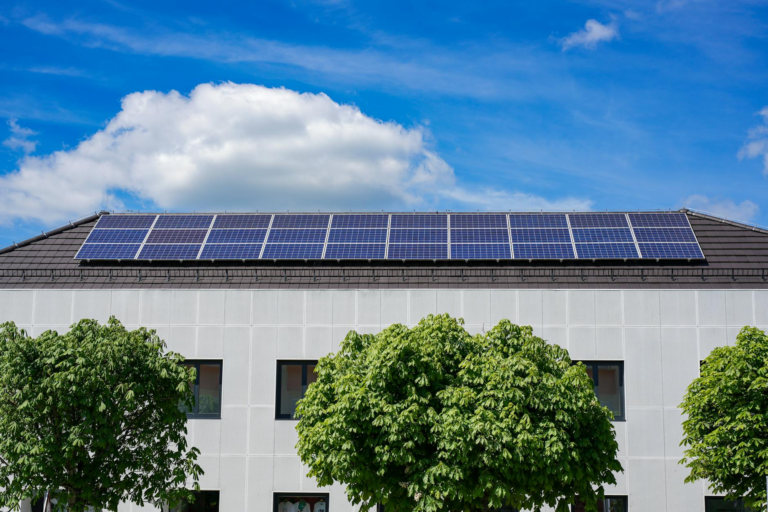
When the sun hides behind a blanket of clouds, many homeowners assume their solar panels become useless. In reality, photovoltaic (PV) systems continue to generate electricity even on the gloomiest days. This is especially true in Florida, where the state’s unique climate ensures that “solar cloudy day performance Florida” remains impressively high compared to many other regions. By grasping the physics behind light diffusion, the influence of cloud composition, and the way modern panels are engineered, residents of Panama City Beach, Pensacola, and surrounding areas can feel confident that their investment keeps producing power regardless of weather.
Find us here:
Solar Cost Calculator – Florida Panhandle Only
* Estimate based on $3.25 per watt for solar installation.
* For Tesla Powerwall 3 Batteries, $15,000 for the first battery, $12,000 for each additional battery.
* Other variations and types of Batteries are available.
How Solar Panels Convert Light into Electricity
Solar panels are made up of many tiny solar cells that contain semiconductor materials, most commonly silicon. When photons strike the cell, they excite electrons, creating an electric current. Even though clouds block direct sunlight, they scatter and diffuse sunlight, allowing a significant portion of photons to still reach the panels. The amount of energy generated depends on the intensity of the light, measured in watts per square meter, and the efficiency of the PV cells. Modern high‑efficiency panels can capture up to 20% of the available light, meaning that on a typical cloudy day in Florida, they can still produce 10‑30% of their peak output.
The Role of Light Spectrum in Cloudy Conditions
Sunlight is composed of a broad spectrum of wavelengths, from ultraviolet (UV) to infrared (IR). Clouds tend to filter out more of the UV and infrared bands while allowing a larger share of visible light to pass through. Since silicon cells are most responsive to visible wavelengths, the reduced UV and IR components have a relatively minor impact on overall performance. This spectral shift is one reason why “solar cloudy day performance Florida” often exceeds expectations, especially in coastal areas where sea‑breeze clouds are thin and allow ample visible light to diffuse across the sky.
Types of Clouds and Their Impact on Solar Output
Not all clouds are created equal. High‑altitude cirrus clouds are thin and allow a substantial amount of sunlight to pass, resulting in minimal power loss. In contrast, low‑lying stratus or cumulus clouds can be much denser, creating more pronounced shading. In Florida’s Gulf Coast, the most common cloud formations are fast‑moving, scattered cumulus that quickly shift, offering intermittent periods of brighter light. This dynamic cloud pattern means that solar panels often experience brief spikes of higher irradiance even during an overall overcast day, boosting the cumulative energy harvested.
Why Florida Still Gets Good Output on Cloudy Days
Florida benefits from a high average solar insolation throughout the year, even when clouds are present. The state’s latitude ensures that the sun’s path remains relatively high in the sky, reducing the angle at which light must travel through the atmosphere. Additionally, the warm, humid air often contains water droplets that scatter light rather than absorb it, enhancing diffuse radiation. Consequently, “solar cloudy day performance Florida” remains robust, allowing homeowners in Panama City Beach and Pensacola to generate meaningful electricity even when the sky is overcast.
Real‑World Data from Panama City Beach and Pensacola
Local solar installers frequently share performance data that highlights the resilience of PV systems during cloudy periods. For example, a typical 5 kW residential system in Panama City Beach may produce around 15 kWh on a clear day, but still generate 4‑5 kWh on a heavily overcast day. In Pensacola, similar installations have recorded up to 30% of their peak capacity during prolonged cloud cover, thanks to the high proportion of diffuse sunlight. These figures demonstrate that the myth of “no power on cloudy days” does not hold true for the Sunshine State.
| Location | Average Daily Solar Irradiance (Clear) | Average Daily Solar Irradiance (Cloudy) | Typical System Output (Clear) | Typical System Output (Cloudy) |
|---|---|---|---|---|
| Panama City Beach | 5.5 kWh/m² | 2.0 kWh/m² | 15 kWh | 4‑5 kWh |
| Pensacola | 5.2 kWh/m² | 1.9 kWh/m² | 14 kWh | 4‑5 kWh |
Key Factors That Influence Cloudy Day Performance
Several variables determine how much electricity a solar array can produce when the sky is gray. Understanding these factors helps homeowners optimize system design and set realistic expectations for “solar cloudy day performance Florida.”
- Panel orientation and tilt – Properly angled panels capture more diffuse light.
- Shade tolerance – Modern cells with bypass diodes reduce losses caused by partial shading.
- Temperature – Warm temperatures slightly reduce efficiency, but the effect is offset by higher irradiance levels.
- Inverter type – String inverters versus micro‑inverters can affect how well low‑light energy is converted.
- System size – Larger arrays have a higher baseline output, making the percentage loss on cloudy days less noticeable.
Design Considerations for Overcast Environments
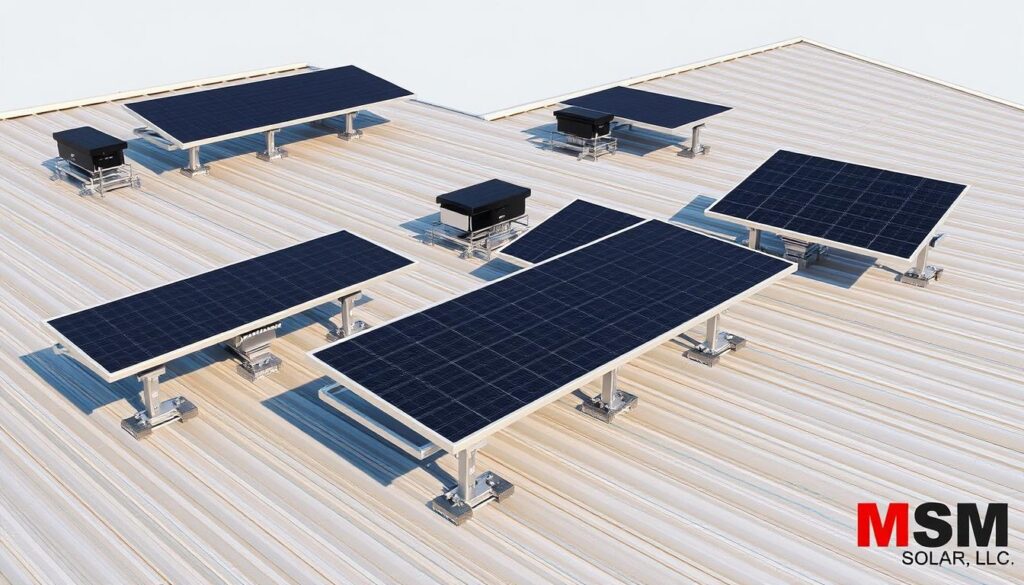
When planning a solar installation in a region known for frequent cloud cover, designers often select panels with higher low‑light performance ratings. Bifacial modules, which capture light reflected from the ground, can boost output by up to 10% in diffuse conditions. Additionally, installing panels with a slightly steeper tilt can increase the amount of sky the array “sees,” improving the capture of scattered photons. For homeowners in Florida, orienting panels toward the true south and avoiding obstructions that cast shadows during the early morning or late afternoon maximizes “solar cloudy day performance Florida.”
Maintenance Tips to Preserve Energy Production
Regular maintenance ensures that panels continue to operate efficiently, even when clouds dominate the forecast. Keeping the glass surface clean of salt spray, pollen, and bird droppings is essential in coastal areas like Panama City Beach. A quick rinse with fresh water every few weeks can prevent a buildup that would otherwise diminish light transmission. Additionally, inspecting wiring and inverter connections for corrosion, especially in humid environments, helps maintain optimal performance throughout the year.
Common Myths About Solar on Cloudy Days Debunked
Myth #1: Solar panels stop working when it’s not sunny.
Fact: As demonstrated by the data above, panels still produce electricity under diffuse light, and “solar cloudy day performance Florida” often reaches 20‑30% of peak output.
Myth #2: Cloudy days damage panels.
Fact: Panels are designed to withstand a wide range of weather conditions, including heavy cloud cover, wind, and even hail. Their durability is tested to industry standards, ensuring long‑term reliability.
Optimizing Energy Storage for Variable Weather
Pairing a solar system with battery storage can smooth out the fluctuations caused by intermittent cloud cover. When the sun shines brightly, excess energy is stored and later dispatched during overcast periods or at night. In Florida, where the grid is reliable but electricity rates can vary, a well‑sized battery can reduce reliance on the utility during cloudy days, enhancing the overall value of the solar investment. Choosing batteries with high round‑trip efficiency ensures that the energy captured on cloudy days is not lost during storage.
In summary, the combination of Florida’s favorable latitude, the scattering nature of cloud‑filtered sunlight, and advances in photovoltaic technology means that “solar cloudy day performance Florida” remains strong. Homeowners in Panama City Beach, Pensacola, and beyond can confidently rely on their solar arrays to generate power even when the sky is gray, especially when they follow best‑practice design, installation, and maintenance guidelines.
