




Introduction
When homeowners in Crestview and Milton begin to explore solar options, the conversation often jumps straight to panel efficiency, financing, and roof orientation. While those factors are undeniably important, an often‑overlooked element can make or break a successful solar installation: the readiness of the local electrical infrastructure. In the United States, the grid’s capacity to absorb new, distributed generation sources varies dramatically from one neighborhood to the next, and this variance directly influences how much solar a property can ultimately support. Understanding solar electrical infrastructure readiness helps residents anticipate potential upgrades, avoid costly delays, and align their long‑term energy goals with realistic expectations. This article dives deep into the technical, regulatory, and practical considerations that determine whether a home can expand its solar system in the future, offering clear guidance for anyone planning a solar journey in the Crestview‑Milton corridor.
Find us here:
Solar Cost Calculator – Florida Panhandle Only
* Estimate based on $3.25 per watt for solar installation.
* For Tesla Powerwall 3 Batteries, $15,000 for the first battery, $12,000 for each additional battery.
* Other variations and types of Batteries are available.
What Is Solar Electrical Infrastructure Readiness?
Solar electrical infrastructure readiness is a collective term that describes how prepared a neighborhood’s electrical network is to handle additional solar generation. It encompasses three core components: the capacity of the local transformer, the condition of the service drop from the pole to the house, and the compatibility of the utility’s interconnection policies. A transformer that is already operating near its maximum load may reject new solar feeds, forcing the utility to replace or augment the equipment—a process that can add several thousand dollars and months of waiting time to a project. Similarly, aging service drops can introduce voltage drop issues when a sizable solar array pushes power back onto the line. Finally, utilities may impose specific requirements—such as advanced inverter settings or protective relays—that must be met before granting permission to connect. When all three components align, a property enjoys smooth installation and the freedom to add panels later without major upgrades.

Transformer Capacity and Load Margins
The transformer is the heart of the distribution network, stepping down high‑voltage electricity from the utility’s primary lines to a level usable by homes. Each transformer has a rated kVA (kilovolt‑ampere) capacity, and utilities track the cumulative demand of all customers attached to it. In areas where new commercial development or electric vehicle adoption is rapidly increasing, transformers can become saturated. If a homeowner’s proposed solar system would push the transformer’s load beyond its safe operating margin, the utility may require a transformer upgrade before permitting interconnection. This upgrade is often the most expensive and time‑consuming part of a solar project, underscoring why assessing infrastructure readiness early is crucial.
Service Drop Condition and Voltage Stability
The service drop is the overhead or underground line that delivers electricity from the pole to the house. Its gauge (thickness) and length affect how much voltage is lost as power travels to the residence. When a solar array feeds electricity back into the grid, the direction of current reverses, and a thin or overly long service drop can cause unacceptable voltage fluctuations. In such cases, utilities may mandate a larger‑gauge wire or a new underground feed—both of which add cost and complexity. Evaluating the existing service drop is a key step in confirming solar electrical infrastructure readiness for any expansion plan.
How Local Grids Influence Solar Expansion in Crestview and Milton
Crestview and Milton sit on distinct sections of the regional distribution network, each with its own set of aging transformers, line configurations, and utility policies. In Crestview, many neighborhoods were developed in the 1970s and rely on pole‑mounted transformers that have not been upgraded in decades. This legacy infrastructure often operates close to its capacity during summer peak demand, leaving little headroom for additional solar generation. Conversely, Milton’s newer subdivisions benefit from underground service drops and recently upgraded transformers, providing a more flexible platform for solar growth. However, even in Milton, pockets of older infrastructure exist near the historic downtown area, where the utility has yet to replace several key transformers. Homeowners in both cities must therefore conduct a localized assessment to determine whether their specific address meets the criteria for seamless solar integration.
Utility Interconnection Policies
Beyond the physical hardware, the policies set by the local utility—often a municipal utility or a regional cooperative—play a decisive role in solar project timelines. Some utilities employ a “soft‑cap” approach, allowing small residential systems (up to 5 kW) to interconnect automatically, while requiring a detailed engineering review for larger systems. Others adopt a “hard‑cap” policy that imposes strict limits on total solar capacity per transformer. Understanding these rules is essential for homeowners who anticipate scaling up from a modest starter system to a larger, more robust array in the future. When the utility’s interconnection guidelines align with the existing grid’s capacity, the path to solar expansion is clear; when they do not, homeowners may need to lobby for infrastructure improvements or adjust their system design.
Planning for Solar Electrical Infrastructure Readiness in Crestview
For Crestview residents, the first step toward confirming solar electrical infrastructure readiness is a thorough site audit. This audit typically involves requesting a “load study” from the utility, which details the current transformer load, projected growth, and any upcoming infrastructure projects. Homeowners should also inspect the age and material of their service drop, noting any signs of wear, corrosion, or undersized conductors. If the load study reveals a transformer operating at 85 % or higher of its rating, it may be prudent to coordinate with the utility early to schedule a transformer upgrade—often a multi‑year process. Additionally, Crestview’s utility may require the installation of a “smart inverter” that can dynamically adjust output to maintain grid stability, a requirement that should be factored into equipment selection.
- Request a transformer load study from the utility.
- Inspect the service drop for age, material, and length.
- Identify any upcoming utility‑planned upgrades in the area.
- Consider smart inverter specifications during equipment selection.
Planning for Solar Electrical Infrastructure Readiness in Milton
Milton homeowners benefit from a more modern grid, but the same diligence applies. The municipality’s online portal often provides real‑time transformer load data, allowing residents to verify whether their neighborhood transformer has spare capacity. Because many Milton homes feature underground service drops, voltage drop concerns are less common, yet the diameter of the conduit and the quality of the copper conductors still matter when feeding power back into the grid. Milton’s utility also encourages “net‑metering” with a higher compensation rate, but only for systems that meet specific interconnection standards. Therefore, confirming that the property’s electrical infrastructure can support a larger system—potentially up to 10 kW—helps avoid retrofits after installation.
- Use the municipal portal to check transformer load percentages.
- Verify conduit size and copper conductor gauge for underground drops.
- Review net‑metering eligibility criteria tied to infrastructure.
- Plan for potential future upgrades during the initial installation.
Common Pitfalls That Undermine Solar Expansion
Even well‑intentioned homeowners can encounter unexpected barriers if they overlook infrastructure readiness. One frequent mistake is assuming that a small, 3 kW system guarantees unlimited expansion potential. In reality, the transformer’s remaining capacity may only support a modest increase, and the service drop may need reinforcement to handle higher reverse currents. Another pitfall is neglecting to coordinate with the utility’s interconnection engineer early in the design phase, leading to last‑minute redesigns or equipment swaps. Finally, some residents underestimate the impact of new electric loads—such as home‑based businesses, EV chargers, or high‑efficiency HVAC upgrades—on the overall load profile, inadvertently pushing the transformer into overload once the solar system is operational.
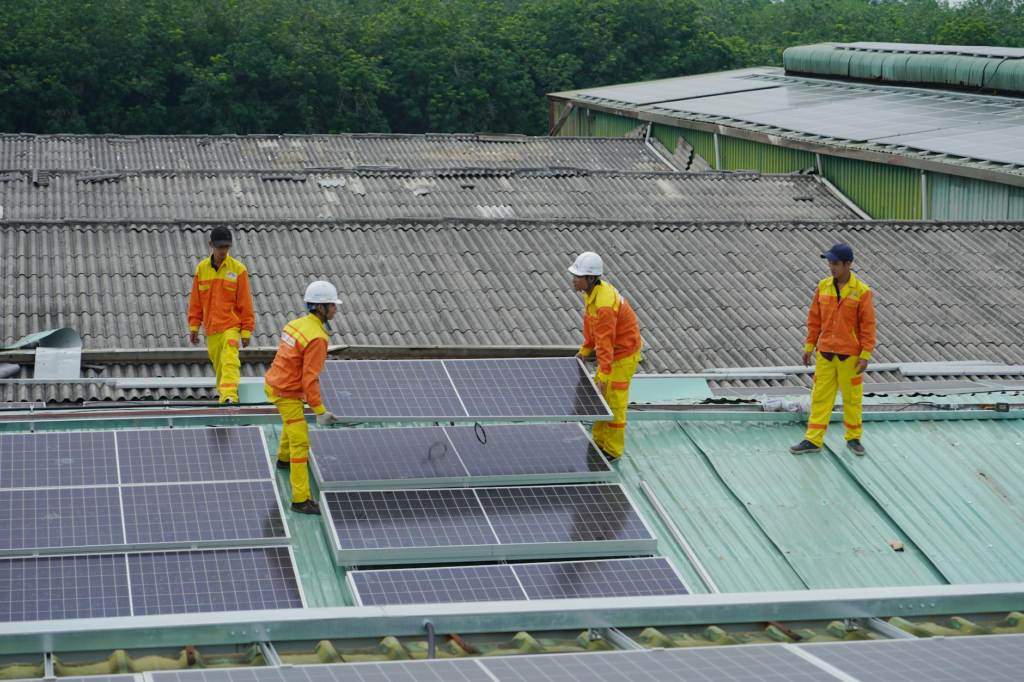
Step‑by‑Step Guide to Ensure Solar Electrical Infrastructure Readiness
Below is a practical roadmap that homeowners in both Crestview and Milton can follow to verify that their electrical infrastructure can accommodate current and future solar installations.
- Step 1: Gather Existing Electrical Data – Obtain recent electric bills, note peak demand, and request a copy of the as‑built electrical plan from the utility.
- Step 2: Request a Transformer Load Study – Ask the utility for a detailed report on the transformer serving your address, including current load and projected growth.
- Step 3: Inspect the Service Drop – Hire a licensed electrician to assess the gauge, length, and condition of the service drop, documenting any deficiencies.
- Step 4: Review Interconnection Requirements – Study the utility’s interconnection handbook for inverter settings, protective devices, and net‑metering limits.
- Step 5: Model Future Load Scenarios – Use a simple spreadsheet to add anticipated loads (EV charger, heat pump, etc.) and estimate the total demand with solar generation.
- Step 6: Plan for Upgrades – If the transformer or service drop is marginal, schedule upgrades now to avoid delays later.
- Step 7: Choose Compatible Equipment – Select inverters and racking that meet the utility’s specifications and allow for modular expansion.
Benefits of Proactive Infrastructure Planning
Taking the time to confirm solar electrical infrastructure readiness before installation yields tangible advantages. First, it minimizes the risk of unexpected cost overruns associated with transformer or service‑drop upgrades. Second, it shortens the permitting timeline, as utilities can approve interconnection more quickly when they see that the grid can accommodate the new generation. Third, it future‑proofs the home, allowing owners to add panels, batteries, or EV chargers without revisiting the utility’s approval process. Finally, a well‑designed system that respects grid limits can qualify for additional incentives, such as performance‑based rebates offered by state energy agencies for “grid‑friendly” solar installations.
Comparative Overview of Infrastructure Elements
| Element | Crestview Typical Condition | Milton Typical Condition |
|---|---|---|
| Transformer Age | 30–40 years, near capacity | 15–20 years, moderate capacity |
| Service Drop Type | Overhead, often undersized | Underground, generally adequate |
| Utility Interconnection Policy | Hard‑cap per transformer | Soft‑cap with smart‑inverter mandate |
Future Trends: How Grid Modernization Will Impact Solar Expansion
Utilities across the country are investing heavily in grid modernization, including advanced distribution management systems (ADMS), automated voltage regulation, and higher‑capacity transformers. In the next decade, these upgrades are expected to increase the overall resilience of the network and create more “headroom” for distributed resources like residential solar. For Crestview, upcoming utility plans indicate a phased replacement of aging pole‑mounted transformers with pad‑mounted units that can handle double the current load. Milton’s municipal grid is already piloting a “smart‑grid” program that leverages real‑time data to dynamically balance solar output, reducing the need for physical upgrades. Homeowners who stay informed about these initiatives can align their solar projects with the timeline of grid improvements, ensuring that their investments remain viable as the infrastructure evolves.
Conclusion
Solar electrical infrastructure readiness is the foundation upon which successful, expandable solar installations are built. By assessing transformer capacity, service‑drop condition, and utility interconnection policies early, Crestview and Milton homeowners can avoid costly retrofits, streamline permitting, and position their homes for future growth. Whether you are starting with a modest 4 kW system or envisioning a larger, battery‑augmented array, a proactive approach to the local grid will ensure that your solar investment delivers the maximum environmental and financial benefits for years to come.
