



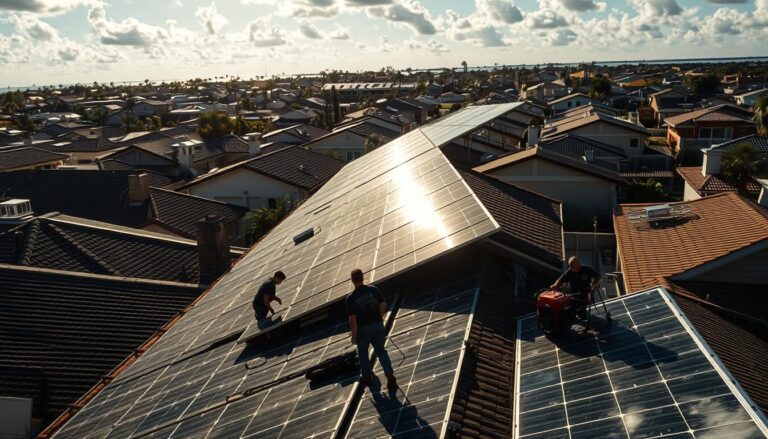
Understanding Energy Stability in the Modern Home
Across the Gulf Coast, homeowners are increasingly focused on long‑term energy stability. Unpredictable utility rates, extreme weather events, and the growing demand for reliable power have turned the conversation toward solutions that can protect a household’s budget and comfort. While many strategies exist, solar power stands out because it directly addresses the root causes of instability. By generating electricity on‑site, solar panels reduce dependence on the grid and provide a buffer against price spikes. For residents of Pensacola and Tallahassee, this shift is more than a trend—it’s a practical response to the realities of living in a region prone to hurricanes, heat waves, and fluctuating fuel costs.
Find us here:
Solar Cost Calculator – Florida Panhandle Only
* Estimate based on $3.25 per watt for solar installation.
* For Tesla Powerwall 3 Batteries, $15,000 for the first battery, $12,000 for each additional battery.
* Other variations and types of Batteries are available.
Why Solar Energy Stability Is Crucial for Homeowners
The phrase solar energy stability homeowners captures a growing desire for consistent, predictable power. When a home is equipped with a solar system, the homeowner gains several layers of security. First, the system creates a predictable production schedule based on sunlight, which can be forecasted months in advance. Second, solar installations often qualify for net metering, allowing excess electricity to be sent back to the utility and credited for future use. This two‑way flow smooths out the peaks and valleys that typically cause bills to fluctuate dramatically. Finally, many modern solar packages include battery storage, turning a daytime generation asset into a 24‑hour power source that can keep lights on during outages.
Key Benefits of Solar for Long‑Term Stability
- Predictable monthly energy costs thanks to self‑generation.
- Protection against utility rate hikes.
- Backup power during grid failures.
- Potential revenue through net metering credits.
- Increased property value and market appeal.
How Solar Systems Generate Consistent Power
Solar panels convert sunlight into direct current (DC) electricity, which an inverter then transforms into alternating current (AC) suitable for home use. The amount of electricity produced depends on several factors: panel orientation, shading, temperature, and the local solar irradiance profile. In Pensacola and Tallahassee, the average annual sunlight exceeds 4,500 kilowatt‑hours per square meter, providing a robust foundation for high‑output systems. Modern inverters also incorporate smart technology that optimizes performance by tracking the sun’s path throughout the day, ensuring that each panel operates at its maximum efficiency.
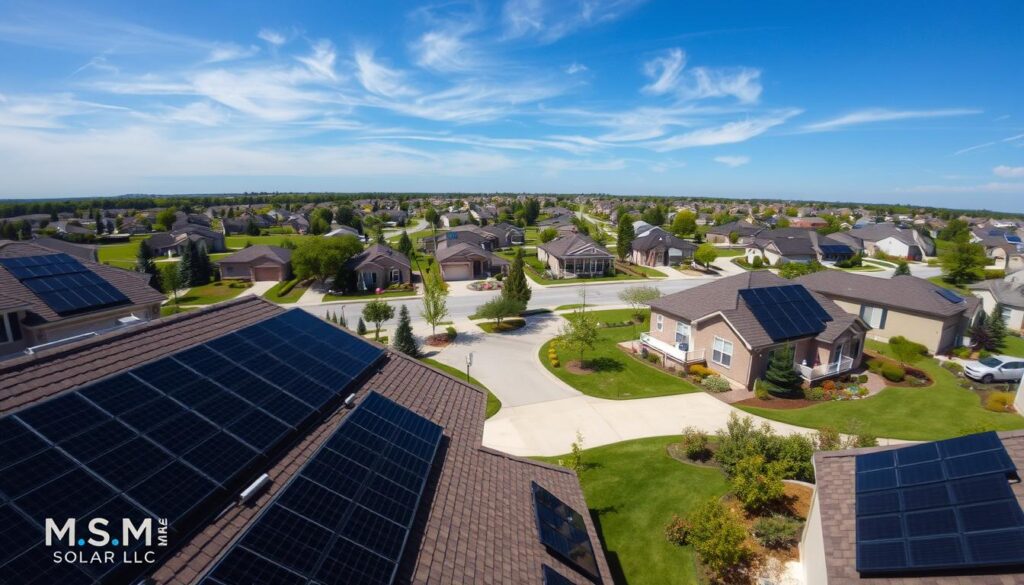
When paired with a battery system, the solar array can store surplus energy generated during peak sunlight hours. This stored energy is then dispatched when the sun is down or during periods of high demand, smoothing out the household’s consumption curve. The result is a more stable energy profile that reduces reliance on the utility’s variable pricing structures.
Financial Stability: Reducing Bills and Increasing Savings
One of the most compelling arguments for solar adoption is its impact on household finances. By generating a portion of their own electricity, homeowners can lower their monthly utility bills by anywhere from 30% to 80%, depending on system size and local rates. Over the typical 25‑year lifespan of a solar installation, the cumulative savings can exceed $30,000, a figure that dwarfs the initial investment when incentives such as the Federal Investment Tax Credit (ITC) are applied.
Moreover, the stability of these savings is amplified by the predictable nature of solar production. Unlike gas or oil, which are subject to volatile market forces, the sun provides a free, inexhaustible source of energy. Homeowners who invest in solar are essentially locking in a low‑cost energy supply for decades, insulating themselves from future price spikes.
Grid Resilience and Community Benefits
Beyond individual advantages, solar installations contribute to the overall resilience of the local grid. Distributed generation reduces the load on central power plants, especially during peak summer months when air‑conditioning demand spikes. This distributed approach can lessen the likelihood of brownouts or blackouts, which are common during severe weather events in the Florida panhandle.
In neighborhoods where multiple homes have solar arrays, the collective effect can be significant. The aggregated generation can feed excess power back into the grid, helping utilities balance supply and demand without resorting to costly peaker plants. This collaborative model not only stabilizes the grid but also reinforces the community’s energy independence.
Case Study: Solar Success in Pensacola
Consider a typical single‑family home in Pensacola with a 7 kW solar system paired with a 10 kWh battery. Prior to installation, the household paid an average of $180 per month for electricity. After going solar, the monthly bill dropped to $60, and the battery supplied power during two major outages in the past year, keeping essential appliances running. Over five years, the family saved more than $7,200 in utility costs and earned $1,500 in net metering credits, illustrating how solar energy stability homeowners can achieve tangible financial outcomes.
Case Study: Solar Impact in Tallahassee
In Tallahassee, a historic home retrofitted with a 5 kW solar system experienced similar benefits. The homeowner benefited from the state’s Solar for All program, which reduced installation costs by 20%. Since going solar, the household’s electricity expenses have been reduced by 55%, and the system’s battery has successfully powered the home during three separate grid interruptions caused by severe thunderstorms. The homeowner reports a newfound sense of security, noting that “the predictability of our energy costs has made budgeting much easier.”
Practical Tips for Homeowners Considering Solar
- Conduct a professional solar assessment to determine optimal panel placement and system size.
- Explore local and federal incentives, including tax credits and rebates.
- Choose a reputable installer with a strong warranty and post‑installation support.
- Consider adding battery storage to maximize energy stability during outages.
- Review your utility’s net metering policy to understand credit rates.
Comparing Costs and Savings: A Quick Overview
| Item | Average Cost (USD) | Estimated Annual Savings |
|---|---|---|
| 7 kW Solar + Battery (Pensacola) | $21,000 (after incentives) | $2,500 |
| 5 kW Solar + Battery (Tallahassee) | $16,500 (after incentives) | $1,800 |
The table above illustrates how a modest upfront investment can translate into substantial yearly savings. When these savings are compounded over the lifespan of the system, the financial return becomes a powerful component of long‑term energy stability for homeowners.
Future Trends: Enhancing Solar Energy Stability
Technology continues to advance, promising even greater stability for solar‑powered homes. Emerging smart‑grid platforms will allow homeowners to automatically shift consumption based on real‑time price signals, further reducing costs. Additionally, improvements in battery chemistry are extending storage life and reducing degradation, meaning that the stability benefits of solar will only improve with time. For forward‑thinking homeowners, staying informed about these developments ensures that their solar investment remains a cornerstone of energy security for decades to come.
In summary, the integration of solar power offers a reliable pathway to energy stability for homeowners in Pensacola, Tallahassee, and beyond. By generating clean electricity, reducing reliance on volatile utility rates, and providing backup power during outages, solar systems empower homeowners to achieve both financial and operational resilience. As the market evolves, the promise of solar energy stability homeowners can enjoy today will only become stronger.
