




Introduction to Solar EV Readiness Home Planning
The rapid rise of electric vehicles (EVs) is reshaping how homeowners think about energy consumption, especially across the Florida Panhandle. As more drivers transition from gasoline to electric, the demand for reliable, clean charging solutions is intensifying. This shift is prompting a new wave of residential planning that integrates solar power directly with EV charging infrastructure. In this article we explore how solar supports future electric vehicle adoption, why a solar ev readiness home is becoming a strategic asset, and what steps homeowners can take to prepare for the electrified road ahead.
Find us here:
Solar Cost Calculator – Florida Panhandle Only
* Estimate based on $3.25 per watt for solar installation.
* For Tesla Powerwall 3 Batteries, $15,000 for the first battery, $12,000 for each additional battery.
* Other variations and types of Batteries are available.
Why EV Adoption Is Accelerating in the Florida Panhandle
Florida’s Panhandle cities—Pensacola, Destin, Panama City, and Tallahassee—are witnessing a surge in EV registrations. Several factors contribute to this trend: state incentives for clean vehicles, expanding public charging networks, and growing consumer awareness of the environmental benefits of zero‑emission driving. Additionally, the region’s abundant sunshine makes solar energy an attractive complement to EV ownership. As more residents purchase EVs, neighborhoods are seeing a collective push toward infrastructure that can support daily charging without overloading the grid.
The Synergy Between Solar Power and EV Charging
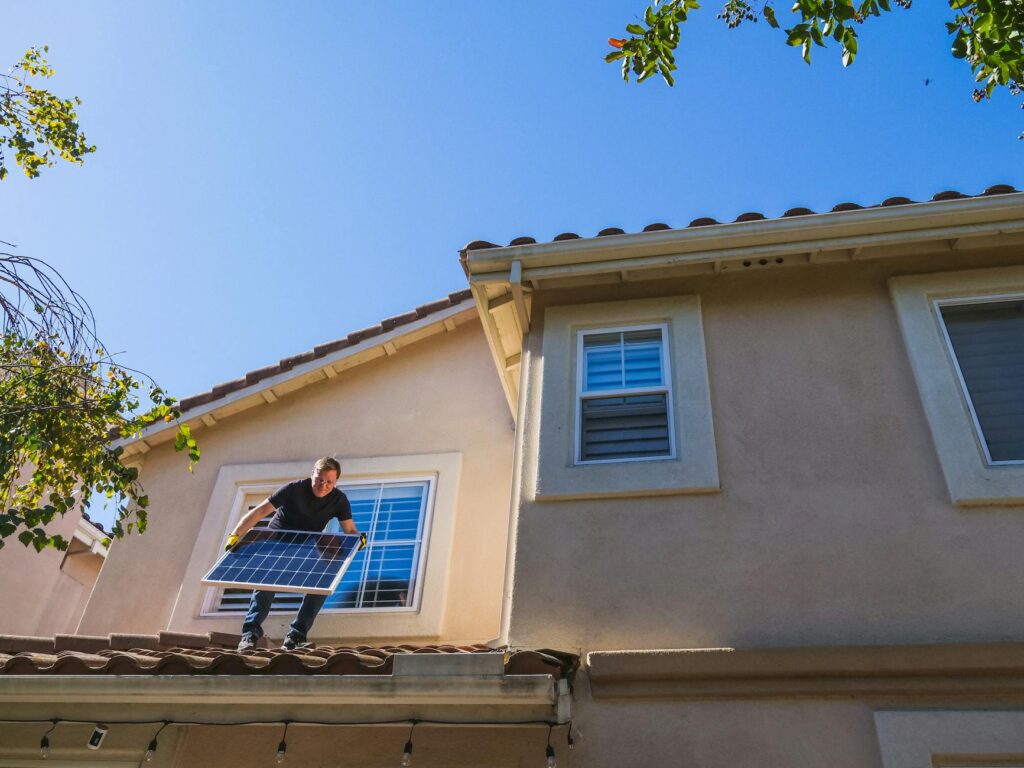
Solar panels generate electricity during daylight hours, precisely when many EV owners plug in their vehicles after work or overnight. By pairing a home solar array with a Level 2 charger, homeowners can offset a significant portion of their charging costs with renewable energy. This synergy reduces reliance on utility-supplied electricity, lowers monthly bills, and minimizes the carbon footprint of each mile driven. Moreover, solar power can serve as a backup source during grid outages, ensuring that essential transportation remains available.
Understanding the Concept of a Solar EV Readiness Home
A solar ev readiness home is a residence designed from the ground up to accommodate both solar generation and electric vehicle charging. This concept goes beyond simply adding a solar array; it involves strategic placement of panels, sizing the system to meet anticipated EV load, and integrating smart energy management tools. When builders and remodelers adopt this mindset, they create properties that are future‑proof, allowing homeowners to add an EV to their garage without costly retrofits.
Key Features of a Solar EV Ready Home
- Optimized roof orientation and tilt for maximum solar exposure.
- Electrical panel capacity that can handle additional EV charger amperage.
- Dedicated conduit pathways for future charger installation.
- Battery storage options to capture excess solar energy for nighttime charging.
- Smart home energy management systems that balance solar production, storage, and vehicle charging.
Benefits of Investing in Solar EV Readiness
Homeowners who prioritize solar EV readiness enjoy several tangible benefits. First, the ability to charge an EV with self‑generated solar power can reduce electricity costs by up to 80 % compared with grid‑only charging. Second, the property’s resale value often increases because energy‑efficiency features are highly attractive to modern buyers. Third, participation in net‑metering programs allows excess solar production to be credited back to the utility, creating an additional revenue stream. Finally, aligning with state and local sustainability goals can qualify owners for tax credits, rebates, and low‑interest financing.

Environmental Impact
When an EV is powered by solar, each mile traveled produces virtually zero emissions. Over the lifespan of a typical EV, this can translate to thousands of tons of CO₂ avoided. For communities across the Florida Panhandle, widespread adoption of solar‑powered EVs can significantly improve air quality, protect coastal ecosystems, and contribute to statewide climate objectives.
Planning a Solar Installation for EV Charging
Designing a solar system that supports electric vehicle charging requires careful assessment of energy needs, roof space, and local regulations. Below is a step‑by‑step guide to help homeowners move from concept to a fully functional solar ev readiness home setup.
- Assess Your Driving Habits: Calculate average daily miles and estimate the kilowatt‑hours (kWh) required for charging.
- Determine Solar Production Potential: Use a solar calculator or consult a professional to estimate how much electricity your roof can generate.
- Size the Solar Array: Choose a system that meets at least 70‑80 % of your EV’s charging demand, allowing the remainder to be covered by the grid or battery storage.
- Upgrade Electrical Infrastructure: Ensure your main panel can accommodate the additional load of a Level 2 charger (typically 40‑50 amps).
- Plan for Future Expansion: Install conduit and spare circuit capacity for potential upgrades, such as adding a second charger or larger battery.
- Select a Qualified Installer: Work with a certified solar contractor experienced in EV integration.
Cost Considerations and Available Incentives
The upfront cost of a solar EV ready system can vary widely based on system size, battery storage, and local labor rates. However, numerous incentives help offset these expenses. The federal Investment Tax Credit (ITC) currently offers a 30 % credit on solar installations, while Florida’s Solar and CHP (Combined Heat and Power) Tax Credit provides additional state‑level savings. Many utilities in the Panhandle also offer rebates for residential EV chargers and for integrating solar with storage. When these incentives are combined, the payback period for a solar‑powered EV charger can shrink to as little as five years.
Case Study: A Typical Florida Panhandle Neighborhood
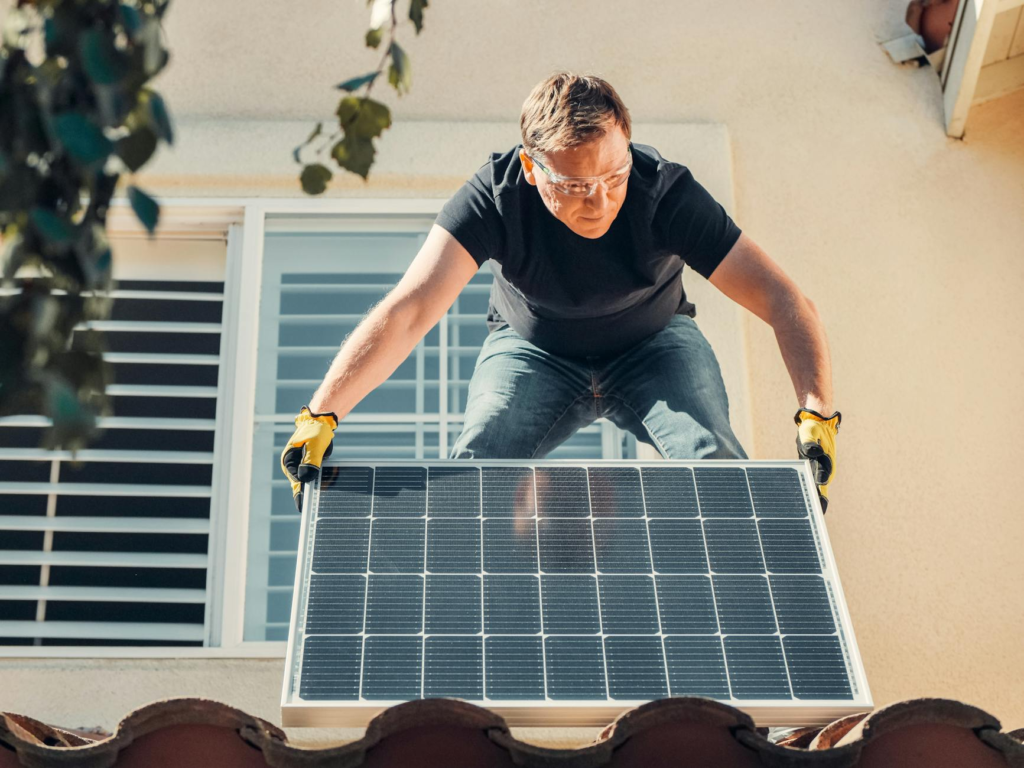
Consider a suburban street in Pensacola where 30 % of households have purchased an EV in the past two years. A local solar installer conducted a community survey and discovered that most homes have south‑facing roofs with ample space for a 6‑kilowatt (kW) system. By coordinating a group purchase, the installer secured bulk pricing, reducing the average system cost to $15,000 per home, including a Level 2 charger and a 5 kWh battery. After applying the federal ITC and Florida state credits, the net investment dropped to $9,500. Homeowners reported a 65 % reduction in monthly electricity bills for vehicle charging, and the neighborhood’s overall grid demand during peak hours decreased by 12 %.
Comparing Grid‑Only Charging to Solar‑Powered EV Charging
| Metric | Grid‑Only Charging | Solar‑Powered EV Charging |
|---|---|---|
| Average Monthly Cost (USD) | $120 | $45 |
| CO₂ Emissions per Year (lbs) | 2,400 | 480 |
| Peak Load Impact | High | Low |
| Reliability During Outage | None | Available with Battery |
Future Trends Shaping Solar EV Readiness Homes
Technology advancements are continually enhancing the feasibility of solar EV readiness. Emerging micro‑inverters increase panel efficiency, while next‑generation lithium‑ion and solid‑state batteries provide deeper storage capacity at lower costs. Vehicle‑to‑home (V2H) technology is also on the horizon, allowing an EV’s battery to supply power back to the home during peak demand or outages, effectively turning the car into a mobile storage unit. As these innovations mature, the integration of solar and EVs will become even more seamless, reinforcing the value of a solar ev readiness home.
Practical Tips for Homeowners Preparing for EVs
- Start with a professional energy audit to understand current usage and identify savings opportunities.
- Consider installing a small solar array now, with the option to expand as your EV charging needs grow.
- Choose a charger that supports smart scheduling to align charging times with peak solar production.
- Explore local utility programs that offer time‑of‑use rates, which can further reduce charging costs.
- Keep documentation of all incentives and rebates to maximize financial returns.
Conclusion
As electric vehicle adoption accelerates across the Florida Panhandle, integrating solar power into residential planning is no longer optional—it’s essential for a sustainable, cost‑effective future. By creating a solar ev readiness home, homeowners can enjoy lower energy bills, increased resilience, and a greener lifestyle while positioning their property for long‑term value. Whether you’re just considering an EV or already own one, now is the perfect time to explore solar solutions that align with your transportation goals.
